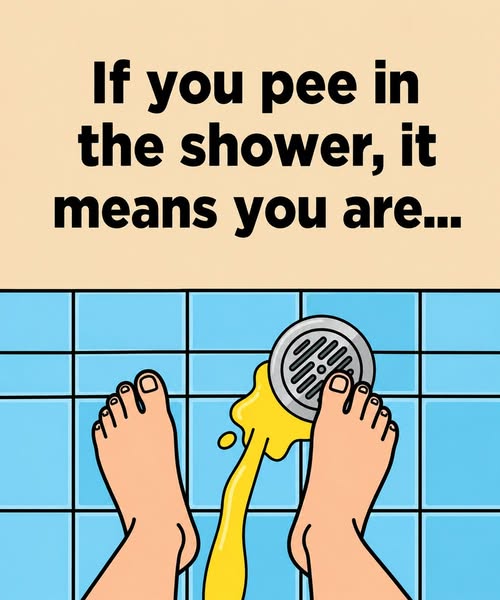
The topic of peeing in the shower is one of those strangely controversial habits that many people secretly admit to, even though few openly discuss it. For some, it seems completely harmless and practical, while for others it feels uncomfortable or unhygienic simply because it goes against social expectations. Much of the strong reaction surrounding the subject comes more from cultural habits and personal discomfort than from actual scientific danger. Once emotions and embarrassment are removed from the conversation, the issue becomes far less dramatic than many people assume.
Many people associate showers with cleanliness and toilets with waste, so combining the two feels wrong on an emotional level. Society teaches us from childhood that certain activities belong in specific places, and breaking those unwritten rules often creates discomfort. However, that reaction is largely psychological rather than based on real health risks. The idea that urinating in the shower is automatically dangerous or filthy is more connected to social conditioning than to biology.
From a scientific perspective, urine from a healthy person is mostly made up of water along with small amounts of substances like urea and salts. In normal circumstances, it is not considered highly dangerous or toxic. In a shower environment, running water immediately washes urine down the drain while soap, shampoo, and cleaning products continue rinsing the area. Because showers are constantly being cleaned by flowing water during use, the risk of lingering contamination is generally very low.
Supporters of the habit often point to environmental benefits as well. Toilets use a significant amount of water with every flush, and avoiding even a few unnecessary flushes each day can save large amounts of water over time. While one person alone may not make a huge difference, many people argue that small habits contributing to water conservation are still worth considering in a world increasingly concerned about sustainability.
There is also a natural biological explanation for why many people feel the urge to urinate while showering. Warm water relaxes the body and can trigger the nervous system to release tension, including in the bladder. For some individuals, the urge happens automatically once they step under hot water, making the behavior more of a natural reflex than a deliberate choice.
At the same time, experts caution against believing exaggerated internet claims connected to urine. Some online posts suggest urine can cure skin conditions or infections because it contains urea, but medical professionals generally reject these ideas. While urea is used in certain skincare products, those treatments are medically formulated and very different from raw urine. Proven medical care should always be preferred over internet myths or home remedies.
Even though the practice itself is generally considered low-risk from a hygiene perspective, cleanliness still matters—especially in shared bathrooms. Regular cleaning, proper ventilation, and respecting the comfort levels of people you live with are important. If someone sharing the bathroom feels uncomfortable with the habit, basic respect and communication should take priority.
In the end, the debate over peeing in the shower says more about social taboos and personal attitudes than about serious health dangers. Scientifically, the practice is usually considered relatively harmless in a properly maintained shower. Whether someone chooses to do it or not ultimately comes down to personal preference, comfort, and household boundaries rather than fear or misinformation.