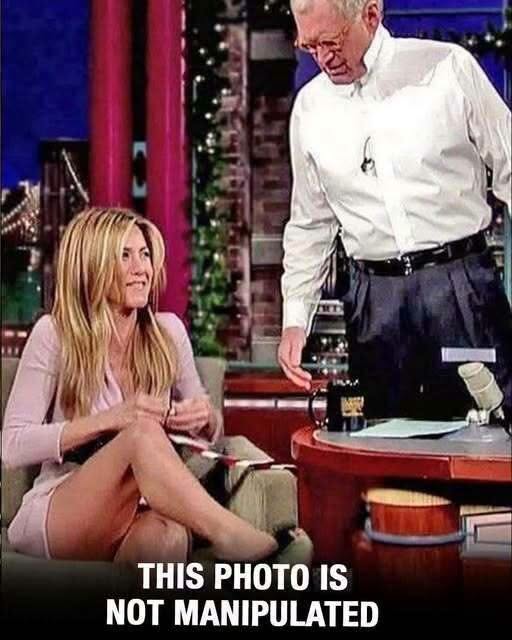
A photograph may seem ordinary at first glance, but looking a little closer can reveal details that change how we understand the entire scene. From unexpected reflections to unusual shadows, small background objects, and surprising camera angles, everyday pictures often contain more information than we initially notice. The secret is learning to slow down and
A photograph may seem ordinary at first glance, but looking a little closer can reveal details that change how we understand the entire scene. From unexpected reflections to unusual shadows, small background objects, and surprising camera angles, everyday pictures often contain more information than we initially notice.
The secret is learning to slow down and look beyond the obvious.
Why We Miss Details in Everyday Photographs
When we look at a photograph, our attention naturally goes toward the most noticeable subject. We might focus on a person’s face, an interesting outfit, or an important moment while overlooking everything happening in the background.
This happens because our brains prioritize information rather than examining every detail equally.
For example, a photograph of a television interview may immediately draw our attention to the presenter and guest. Meanwhile, a reflection in a glass table, an object on a nearby shelf, or an unusual shadow may go unnoticed.
Psychologists call one related phenomenon inattentional blindness. It describes how people can overlook visible things when their attention is focused elsewhere.
The interesting part is that the overlooked detail may have been visible all along. We simply weren’t paying attention to it.
The Difference Between Looking and Observing
Looking at a photograph takes only a moment. Observing it carefully requires more thought.
Instead of concentrating exclusively on the main subject, try examining the entire frame.
Look at the background and notice objects that seem out of place.
Examine shadows and consider where the light might be coming from.
Check mirrors, windows, and other reflective surfaces.
Notice the direction in which people are looking.
Consider whether the camera angle changes the apparent position of objects.
These simple steps can reveal information that wasn’t obvious during your first glance.
Sometimes, the discovery will be surprising. Other times, it will simply provide a better understanding of how the photograph was taken.
Why Celebrity Photographs Attract So Much Attention
Photographs featuring familiar celebrities are particularly interesting because viewers already have an impression of the person in the image.
Consider Jennifer Aniston. People who recognize her may immediately focus on her expression, hairstyle, clothing, or interaction with another person.
That natural reaction can make other details easier to overlook.
Instead of concentrating only on the celebrity, try viewing the photograph as a complete scene. Examine the furniture, studio decorations, lighting equipment, and objects behind the participants.
These details can reveal how the scene was arranged and how the photographer directed the viewer’s attention.
However, a single photograph cannot necessarily explain what happened before or after it was taken. An unusual expression, for instance, does not automatically reveal what someone was thinking or feeling.
It’s important to distinguish what an image actually shows from the assumptions people make about it.
How Lighting Creates Surprising Effects
Lighting can dramatically change the appearance of a photograph.
Bright sunlight may create sharp shadows, while indoor lighting can produce softer shapes and uneven illumination. Depending on the camera angle, an ordinary object may appear unfamiliar or seem disconnected from its surroundings.
Consider these common effects:
Unexpected shadows: A shadow may stretch across the image, making an object appear larger or differently shaped.
Bright reflections: Glass and polished surfaces can reflect objects that aren’t directly visible to the camera.
Dark backgrounds: Objects may blend into darker areas and become difficult to distinguish.
Perspective changes: The position of the camera can make two separate objects appear connected.
These effects do not necessarily indicate that a photograph has been manipulated.
Before deciding that something unusual is happening, examine the lighting, perspective, and surrounding objects. A detail that initially appears mysterious may have a straightforward explanation.
Reflections Can Reveal Another Part of the Scene
Reflections are among the most fascinating elements in photography because they can show details outside the camera’s direct view.
A window might reflect someone standing behind the photographer. A polished table could reveal the shape of an object above it. A glass door may simultaneously show the room behind the camera and the landscape beyond it.
These overlapping images can make a photograph look confusing at first.
To understand what you’re seeing, identify the reflective surface and consider its position relative to the camera.
Mirrors, windows, water, and polished metal all behave differently. Their shape, angle, and surface properties influence the resulting reflection.
Once you begin noticing these details, photographs can become more interesting because you start recognizing the relationship between the visible scene and its surroundings.
The Importance of Background Details
Photographers carefully consider how objects are arranged within a frame. This process, known as composition, influences where viewers look first and how they interpret the image.
The main subject usually receives the greatest attention, but the background can provide valuable context.
A bookshelf might help establish the setting. A window may reveal the weather outside. Decorations, furniture, or other people may explain more about the environment in which the photograph was taken.
In some cases, the background contains the most interesting part of the picture.
This is particularly true in busy public spaces, family gatherings, and television studios, where several things may be happening at once.
Examining the entire scene encourages us to move beyond our first impression and appreciate the photograph as a complete visual story.
Can You Tell Whether a Photograph Has Been Edited?
Many online images are accompanied by claims that they are completely original or have never been altered. However, determining whether a photograph has been edited is more complicated than it might seem.
Digital cameras and smartphones often automatically adjust brightness, color, sharpness, and other settings when creating an image.
Some people consider these adjustments normal processing, while others use the word unedited to mean that no objects or details have been changed.
More extensive editing may involve removing objects, replacing backgrounds, combining several photographs, or altering someone’s appearance.
Because the term can mean different things, it’s important to understand exactly what a claim about an image is suggesting.
An unusual photograph is not necessarily fake, and a realistic-looking image is not automatically authentic.
When the original source matters, useful evidence may include the original image file, information about the photographer, photographs taken from other angles, and video footage of the same event.
The most reliable approach is to avoid drawing conclusions that the available evidence cannot support.
Simple Ways to Become a Better Observer
You can improve your observation skills without special equipment or professional training.
Try these techniques whenever you encounter an interesting photograph:
Study the whole image first. Identify the main subject and notice the overall setting.
Examine the corners. Small objects and background details are easy to overlook near the edges of a frame.
Follow the light. Look at shadows, highlights, and reflections to understand how the scene is illuminated.
Check the perspective. Consider whether the camera angle makes objects appear closer together than they really are.
Look again after a short break. Returning to an image can help you notice details that didn’t stand out initially.
Question dramatic claims. If a caption promises a shocking discovery, examine the image itself before accepting the explanation.
The goal isn’t to find something extraordinary in every photograph. It’s to become more attentive to what is genuinely visible.
Why These Visual Challenges Are So Enjoyable
Photographic puzzles appeal to our natural curiosity. They invite us to test our attention, compare observations with others, and reconsider our first impressions.
Two people can look at the same picture and notice completely different things. One might recognize an unusual reflection, while another spots a small object hidden in the background.
Discussing these differences can make an ordinary photograph much more engaging.
However, not every unusual detail represents a secret, and not every popular online claim is accurate. The most rewarding discoveries are those supported by what the image actually shows.
Final Thoughts: Sometimes, All You Need Is a Second Look
Ordinary photographs can become surprisingly interesting when we take the time to examine them carefully.
A reflection may reveal another angle. A shadow may explain an unusual shape. A small background detail may provide context that was missing from our first interpretation.
Learning to observe these features helps us appreciate photography while becoming more thoughtful about the information we encounter online.
So the next time you see a photograph that seems completely ordinary, pause for a moment.
Look at the background. Examine the lighting. Notice the little things around the main subject.
You may discover something you missed the first time—not because it was hidden, but because you hadn’t yet given it your full attention.