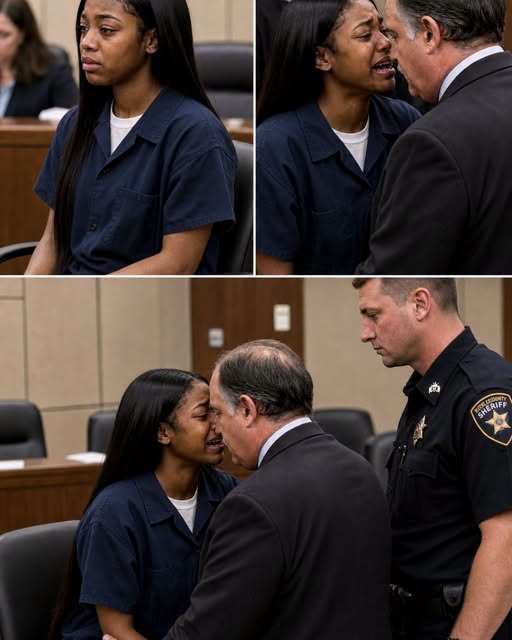
An 86-year sentence for a teenager lands like a shockwave. It sounds less like justice and more like a life erased before it has truly begun. For families shattered by violence, such a sentence can feel like the only punishment capable of matching the magnitude of their grief. Others see a young person being permanently defined by the worst moment of their life, with almost no path back. Between punishment and possibility lies one of the hardest questions any justice system can face.
An 86-year sentence for a teenager forces society to look directly at what it believes punishment is supposed to accomplish. For victims and their families, a sentence of that magnitude can feel like the law is finally acknowledging their pain—that what was taken from them can never simply be restored. It can also provide a fragile sense of safety, the belief that the person responsible will not soon return to the community and reopen wounds that may never fully heal.
But when the person standing before the judge is still young, the meaning of permanent punishment becomes more complicated. Adolescence is a period when judgment, identity, impulse control, and empathy are still developing. A teenager can commit something horrific and still possess the capacity to change dramatically over the decades that follow.
That does not erase the harm.
It does not diminish the suffering of victims.
And it does not mean every young offender will become safe or rehabilitated.
But it raises an uncomfortable possibility: can accountability be severe without declaring that a teenager is forever beyond redemption?
A serious justice system does not necessarily have to choose between victims and offenders. It can recognize the devastation caused by violent crime, protect the public, impose substantial consequences, and still leave some narrow space for rehabilitation and demonstrated transformation.
The difficult part is deciding where that line belongs.
Because justice must remember the victim without forgetting the complexity of human development.
An 86-year sentence may protect a community for generations. But it also raises a question that cannot be answered by numbers alone:
**Is a teenager’s worst act the final definition of who they will become—or the beginning of a life sentence in which change is still possible?**