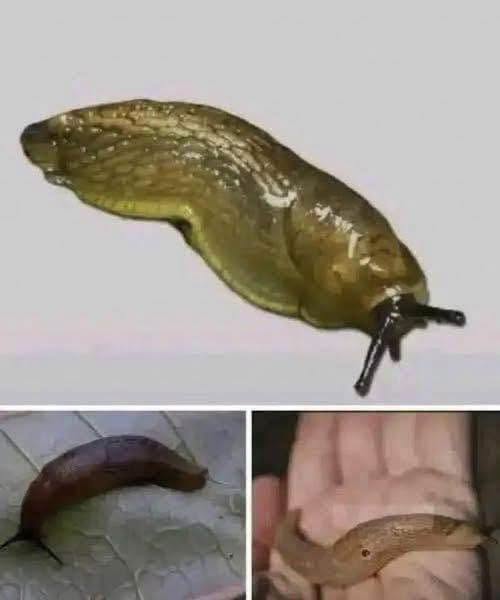
When a Slug Visits Your House, It Could Mean You Have These Conditions
Finding a slug inside your house can be an unpleasant surprise, especially when you discover one crawling across your kitchen floor, bathroom tiles, or near a doorway. Although these small, soft-bodied creatures may seem harmless, their presence can reveal useful information about the conditions inside and around your home.
Slugs thrive in damp environments, and when they begin appearing indoors, it may be a sign that moisture is attracting them. Understanding why they enter your home can help you identify potential problems and prevent more from following.
1. Your Home May Have Excess Moisture
One of the most common reasons slugs enter houses is humidity. These creatures need moisture to keep their bodies from drying out, which makes damp rooms, wet floors, and areas with condensation particularly attractive.
Bathrooms, basements, laundry rooms, and spaces beneath sinks can provide suitable conditions for slugs to survive. If you regularly find them in these areas, it may be worth checking for leaking pipes, persistent condensation, or poor ventilation.
2. There May Be Small Gaps Around Your Home
Slugs can squeeze through surprisingly small openings. Gaps beneath exterior doors, cracks around windows, spaces around plumbing pipes, and damaged seals can provide easy entry points.
If slugs repeatedly appear in the same room, inspect nearby doors, windows, and walls. Sealing these openings can help keep slugs and other unwanted visitors outside.
3. Your Garden May Be Attracting Them
Gardens with damp soil, fallen leaves, dense vegetation, and decaying plant material provide ideal hiding places for slugs. If your home is surrounded by plants or garden beds, slugs may wander indoors while searching for food or shelter, particularly during wet weather.
Removing piles of leaves, trimming vegetation near exterior walls, and avoiding excessive watering close to the house can make the surrounding area less attractive to them.
4. You May Have a Persistent Dampness Problem
An occasional slug does not necessarily mean your house has a serious moisture problem. However, repeated sightings, especially alongside musty odors, water stains, peeling paint, or visible mold, may justify investigating the source of the dampness.
Persistent moisture can contribute to mold growth and damage building materials. Addressing leaks and improving ventilation can help protect your home while making the environment less suitable for slugs.
5. Food and Shelter May Be Easy to Find
Slugs feed on a variety of organic materials, including decaying plant matter, fungi, and some fresh foods. Pet food left overnight, vegetable scraps, and accessible food waste may attract other pests and, in some circumstances, encourage slugs to explore indoor areas.
Keeping food sealed, cleaning up spills, and storing waste in covered containers can help reduce potential attractants.
How Can You Keep Slugs Out of Your House?
Fortunately, a few practical steps can make your home less inviting to slugs:
Reduce moisture: Repair leaks, dry wet surfaces, and improve ventilation in damp rooms.
Seal entry points: Check door thresholds, window seals, and gaps around pipes.
Maintain your garden: Remove decaying leaves and keep dense vegetation away from exterior walls.
Keep rooms clean: Store food properly and avoid leaving organic waste or pet food exposed.
Remove slugs safely: Use gloves or a suitable tool to remove them, then clean the trail with ordinary household cleaning products according to their labels.
Avoid mixing cleaning products, particularly bleach with ammonia or acids.
Is a Slug in Your House a Bad Sign?
In some traditions, slugs are associated with patience, transformation, and slow but steady progress. However, these interpretations are symbolic rather than scientific.
From a practical perspective, a slug inside your home is usually looking for moisture, shelter, or food. Its presence is not a reliable sign of bad luck, negative energy, or an impending event.
The bottom line: If a slug visits your house, it may simply be wandering in from your garden. But if you keep finding them indoors, pay attention to damp areas, possible leaks, and small openings around your home. Identifying the cause can help you prevent future visits and maintain a cleaner, drier living space.