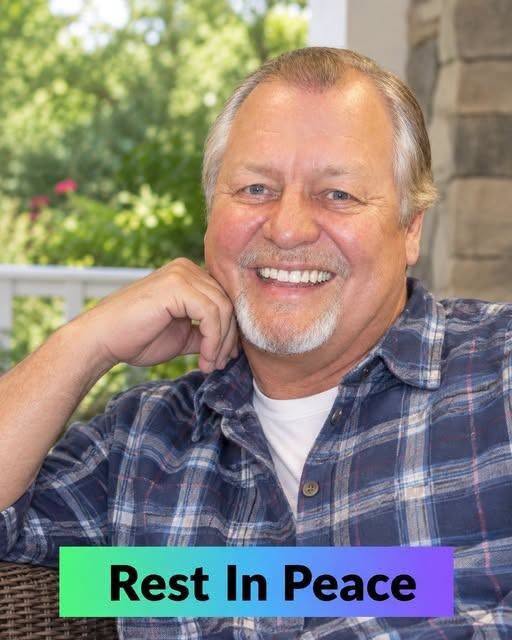
Remembering David Soul: A Career Beyond Starsky & Hutch
David Soul will always be remembered by millions of television fans as Detective Kenneth “Hutch” Hutchinson from the iconic crime series Starsky & Hutch. Yet, while his role alongside Paul Michael Glaser made him a household name, Soul’s career extended far beyond the streets of 1970s television. He was an actor, singer, stage performer, and artist whose work reflected a creative life that continued to evolve long after his greatest television success.
Born David Richard Solberg on August 28, 1943, in Chicago, Illinois, Soul grew up in a family with strong academic and religious connections. His father was a Lutheran minister and educator, and his early life included time spent in different parts of the United States and abroad. These experiences helped shape his outlook and contributed to the varied interests that would later influence his career.
Before becoming a familiar face on television, Soul explored music and performance, gradually finding his way into the entertainment industry. His early work included appearances on television programs that helped introduce him to audiences and establish his reputation as a promising performer. His combination of a calm screen presence, distinctive voice, and understated charm would eventually become central to his appeal.
The Breakthrough That Made Him a Household Name
Soul’s career reached a turning point in 1973 when he appeared in Clint Eastwood’s crime film Magnum Force. His performance helped bring him to the attention of television producers, eventually leading to the role that would define an important chapter of his career.
In 1975, he joined Paul Michael Glaser in Starsky & Hutch, playing Detective Ken Hutchinson, better known as Hutch. The series followed two California detectives as they investigated crimes, pursued dangerous suspects, and navigated the challenges of police work.
The chemistry between Soul and Glaser became one of the show’s greatest strengths. Their contrasting personalities, humor, friendship, and memorable adventures helped make the series a major television hit. The show ran until 1979 and became a defining part of 1970s popular culture.
davidsoul.com
+1
Although Hutch made Soul internationally recognizable, he never limited himself entirely to acting. Music had been one of his earliest artistic passions, and the success of the television series gave his recording career additional visibility.
A Musical Career That Surprised Fans
In 1976, Soul released Don’t Give Up on Us, a romantic pop ballad that became an international success. The song reached number one in both the United States and the United Kingdom in 1977, demonstrating that his appeal extended well beyond television audiences.
The Washington Post
+1
His musical achievements did not end there. Another single, Silver Lady, also reached number one in the UK, while other recordings established him as a successful singer during the same period.
For fans who knew him primarily as Hutch, hearing Soul’s music offered a different perspective on his talent. His gentle vocal style and emotional delivery contrasted with the action-oriented character he played on screen.
Music remained an important part of his identity throughout his career. His recordings continued to find listeners decades later, and his musical legacy became an enduring part of his contribution to entertainment.
Exploring Roles Beyond the Famous Detective
After Starsky & Hutch ended, Soul continued working in film and television, taking on characters that allowed him to explore different sides of his acting abilities.
Among his notable projects was the 1979 television adaptation of Stephen King’s horror novel Salem’s Lot, in which he played Ben Mears, a writer returning to his hometown and encountering a terrifying mystery. The production became a memorable entry in television horror and introduced Soul to audiences in a very different setting.
Wikipedia
+1
He also appeared in The Yellow Rose, a television drama that explored the lives and conflicts surrounding a Texas ranching family. The role demonstrated his willingness to move away from the familiar police-detective format and into more dramatic storytelling.
Over the years, Soul took part in numerous television productions, films, and other creative projects. He also directed episodes of several television series, including Miami Vice and Crime Story, expanding his work behind the camera.
davidsoul.com
+1
Finding a New Home on the British Stage
One of the most interesting chapters of Soul’s later career began when he moved away from Hollywood and pursued opportunities in other countries.
After working in Australia and France during the 1990s, he moved to Britain for a stage production of the comedy thriller Catch Me If You Can. The experience opened the door to a new phase of his professional life, with theatre becoming a major focus.
Soul went on to appear in numerous British stage productions, including The Aspern Papers, Speed-the-Plow, Deathtrap, and Blood Brothers. He also appeared in London’s West End in productions such as Comic Potential and Jerry Springer: The Opera. Some of these performances allowed him to combine his acting experience with his musical abilities.
davidsoul.com
+1
His move to Britain also brought him closer to audiences who had grown up watching Starsky & Hutch. In 2004, he became a British citizen, reflecting the lasting connection he had developed with the country.
Rather than relying exclusively on nostalgia for his television fame, Soul continued to challenge himself through live performance, taking on roles that required different skills and approaches.
A Creative Life Beyond Entertainment
Soul’s interests extended beyond acting and singing. He was involved in documentary filmmaking and projects addressing social and environmental concerns.
His official biography describes documentaries exploring subjects such as the effects of industrial decline on American communities and the management of water resources in the western United States. These projects reflected an interest in issues beyond the entertainment industry.
davidsoul.com
He also supported animal welfare causes and expressed concern about environmental protection. These interests formed another part of his identity, alongside his work as a performer.
His life was not without personal difficulties, and his later years included significant health challenges. Nevertheless, his career reflected a willingness to explore new directions rather than remain tied to the success of a single role.
Remembering David Soul
David Soul died in London on January 4, 2024, at the age of 80. His wife, Helen Snell, announced his death, remembering him as an actor, singer, storyteller, creative artist, and friend. News of his passing prompted tributes from fans who remembered both his television performances and his music.
davidsoul.com
+1
For many viewers, he will forever be Hutch, the blond detective whose partnership with Starsky became one of television’s most recognizable duos. For others, he will be remembered through the emotional melodies of Don’t Give Up on Us and Silver Lady.
Yet his legacy is richer than either achievement alone. He explored film, television, theatre, music, directing, and documentary work across a career spanning several decades.
What made Soul’s journey distinctive was his ability to move between different creative worlds. He could be the charming television detective, the voice behind a romantic hit, or a stage performer taking on challenging theatrical roles.
His story is a reminder that a successful career is not always defined by one famous character. Sometimes, the most meaningful legacy lies in everything an artist continues to do after the world thinks it already knows who they are.
David Soul may always be remembered as Hutch, but his career was much bigger than Starsky & Hutch. His music, performances, and decades of creative work ensured that his contribution to entertainment reached far beyond a single television series.