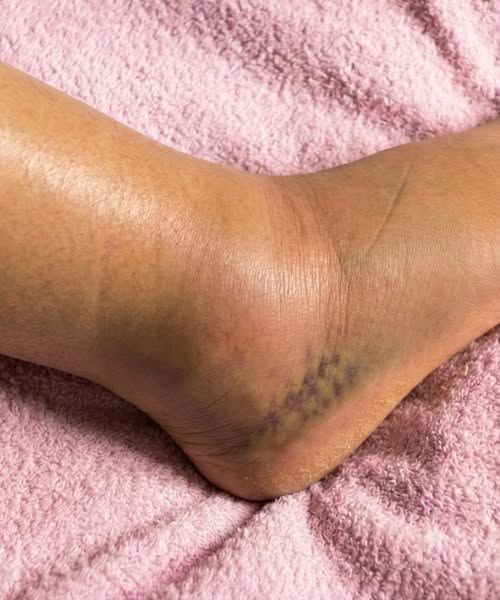
Have you ever woken up in the morning and noticed that your ankles or legs look unusually swollen? Perhaps your shoes feel tighter, your skin feels stretched, or your legs seem heavier than usual. Although occasional swelling can happen for simple reasons, repeated or unexplained swelling is something worth paying attention to. Doctors refer to…
Waking Up With Swollen Legs? Your Body May Be Trying to Tell You Something
Posted onOctober 30, 2026 ByadminNo Commentson Waking Up With Swollen Legs? Your Body May Be Trying to Tell You Something
Have you ever woken up in the morning and noticed that your ankles or legs look unusually swollen? Perhaps your shoes feel tighter, your skin feels stretched, or your legs seem heavier than usual.
Although occasional swelling can happen for simple reasons, repeated or unexplained swelling is something worth paying attention to.
Doctors refer to this condition as edema, which occurs when excess fluid collects in the body’s tissues. It can affect one or both legs and may have several possible causes.
1. Circulation Problems
One common reason for swollen legs is poor circulation. When the veins struggle to return blood efficiently toward the heart, fluid can accumulate in the lower extremities.
Some people also experience aching, heaviness, visible veins, or changes in skin appearance.
2. Heart Health
The heart plays an essential role in maintaining healthy blood circulation. When it cannot pump blood effectively, fluid may build up in the ankles, feet, and legs.
Other possible warning signs include unusual tiredness, difficulty breathing, and reduced ability to exercise.
Persistent swelling accompanied by these symptoms deserves medical attention.
3. Kidney Problems
The kidneys help control the body’s fluid balance by filtering excess water and waste from the blood.
When kidney function is affected, the body may retain additional fluid. This can lead to swelling around the ankles, feet, and sometimes the eyes.
Changes in urination, unexplained weight gain, and fatigue may also occur.
4. Liver Conditions
The liver produces important proteins that help keep fluid inside blood vessels.
Certain liver conditions can interfere with this process, allowing fluid to collect in different parts of the body. Some people may experience swollen legs alongside abdominal swelling.
5. Lymphatic System Problems
The lymphatic system helps remove excess fluid from body tissues.
When this system becomes damaged or blocked, fluid may accumulate, causing a condition known as lymphedema.
Swelling may persist and sometimes be accompanied by thicker skin, discomfort, or a feeling of heaviness.
6. Medication Side Effects
Certain medications can contribute to swollen ankles and legs.
These may include some blood pressure treatments, anti-inflammatory medicines, hormonal medications, and certain diabetes treatments.
If swelling begins after starting a new medication, speak with your healthcare provider. Never stop prescribed medication without medical advice.
7. Everyday Habits
Sometimes, swelling is associated with daily routines rather than an underlying illness.
Factors that may contribute include:
Sitting for extended periods.
Standing for many hours.
Consuming too much sodium.
Limited physical activity.
Being overweight.
Long-distance travel.
Small lifestyle changes may help, depending on the cause.
When Should You Be Concerned?
Not every swollen ankle indicates a serious medical problem. However, sudden or unexplained swelling should not be dismissed.
Seek urgent medical attention if one leg suddenly becomes swollen, particularly when accompanied by pain, warmth, or redness, as this could indicate a blood clot.
Call emergency services if leg swelling occurs alongside chest pain, sudden shortness of breath, fainting, or coughing up blood.
If swelling continues for several days, becomes worse, or repeatedly returns, arrange a medical examination.
What Can Help Reduce Mild Swelling?
Depending on the underlying cause, healthcare professionals may recommend:
Elevating your legs when resting.
Taking regular walking breaks.
Avoiding prolonged sitting.
Reducing excessive salt consumption.
Maintaining a healthy weight.
Using compression stockings when medically appropriate.
The right approach depends on why the swelling is happening.
A Final Reminder
Swollen legs are not always a reason to panic, but they should not always be ignored either.
Sometimes the explanation is simple, such as spending too many hours sitting or standing. In other cases, swelling may be connected to circulation, heart, kidney, liver, or lymphatic problems.
Pay attention to changes in your body, recognize warning signs, and seek professional advice when something does not seem right.
Your health deserves attention, even when the symptoms seem small.