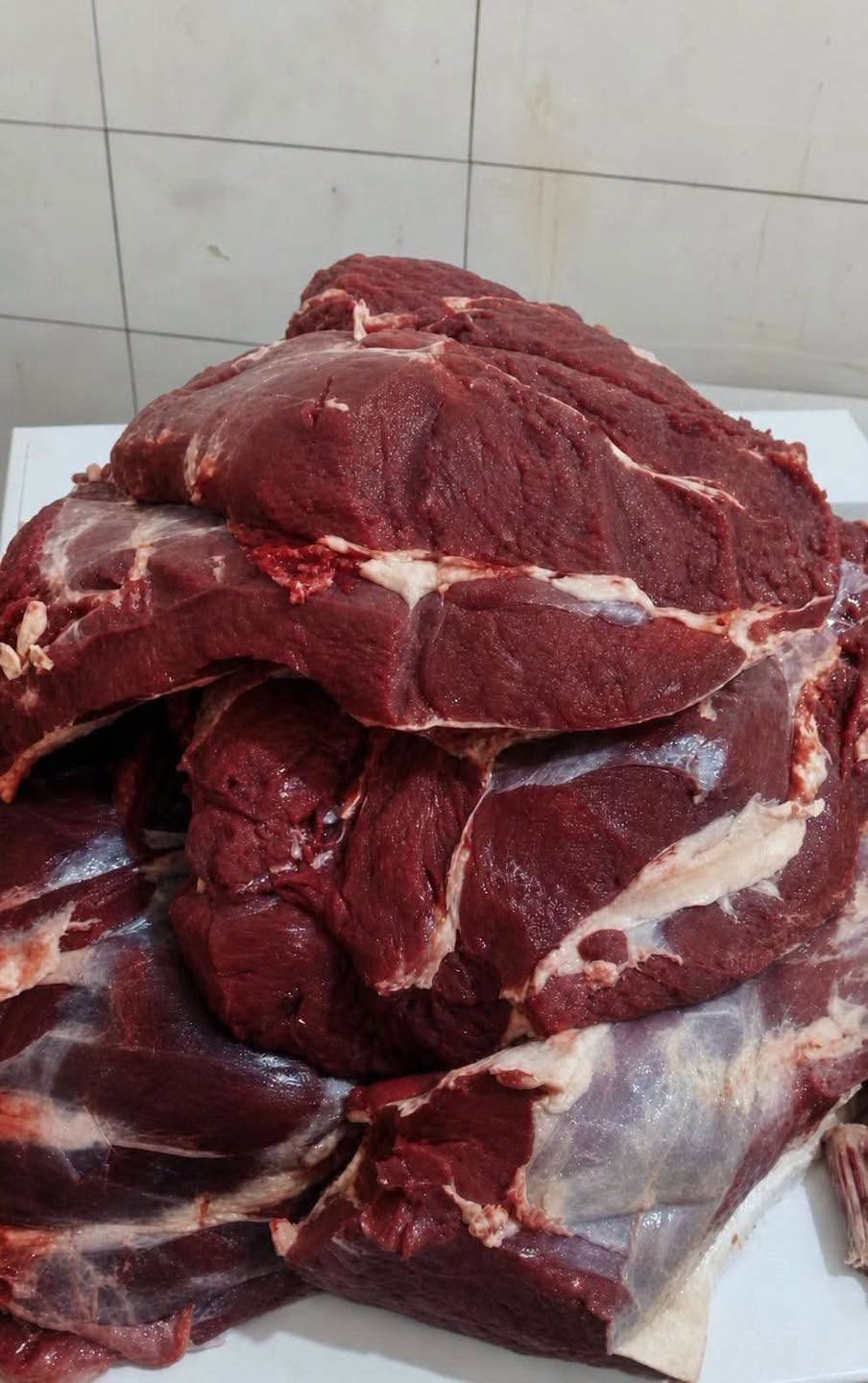
A piece of bright red meat behind a supermarket display may immediately catch your attention. It looks fresh, appealing, and ready to cook. But there is something every shopper should understand: the color of meat does not always tell you how fresh or safe it really is. Many people automatically choose the reddest piece of…
The Truth About Supermarket Meat: What Shoppers Should Check Before Buying
Posted onOctober 30, 2026 ByadminNo Commentson The Truth About Supermarket Meat: What Shoppers Should Check Before Buying
A piece of bright red meat behind a supermarket display may immediately catch your attention. It looks fresh, appealing, and ready to cook. But there is something every shopper should understand: the color of meat does not always tell you how fresh or safe it really is.
Many people automatically choose the reddest piece of beef, believing it must be the freshest. However, meat can naturally change color depending on its exposure to oxygen, packaging, temperature, and storage conditions.
For example, fresh beef stored in vacuum-sealed packaging can appear dark purple. Once the packaging is opened and the meat comes into contact with oxygen, its surface can gradually become bright red. This is a normal chemical reaction and does not necessarily indicate a difference in quality.
What Supermarket Displays Don’t Tell You
Supermarkets use bright lighting, attractive packaging, and carefully arranged displays to make products look appealing. Although these presentation techniques are common, shoppers should remember that an attractive appearance is not a guarantee of freshness.
A bright red steak is not automatically safer than a darker one. Likewise, darker meat is not necessarily spoiled.
Instead of judging meat by color alone, pay attention to the information printed on the packaging.
Five Things to Check Before Buying Meat
1. Check the expiration or use-by date.
Always read the date carefully. Make sure you understand the storage instructions and choose products that can be used within the recommended period.
2. Examine the packaging.
Avoid packages with broken seals, leaks, swelling, or visible damage. Excessive liquid can also be a reason to choose another package.
3. Pay attention to temperature.
Meat should be properly refrigerated. Avoid purchasing products that feel insufficiently cold or appear to have been stored incorrectly.
4. Check the smell and texture at home.
After opening the package, an unusual odor or unexpectedly sticky or slimy texture can indicate spoilage. When in doubt, do not consume it.
5. Handle and cook meat safely.
Keep raw meat separate from ready-to-eat foods. Wash your hands and clean utensils and surfaces after contact with raw meat. Use a food thermometer to check that meat reaches a safe internal cooking temperature.
Why Bright Red Meat Isn’t Always the Best Choice
The red color of beef comes from a natural protein called myoglobin. Its appearance changes depending on how much oxygen reaches the meat.
This means that two packages of perfectly fresh beef can have noticeably different colors.
Supermarket lighting can also influence how products appear to customers. What looks particularly vibrant under display lighting may look different once you take it home.
The important thing is not to assume that every attractive package is problematic, but to understand that appearance alone cannot establish food safety.
How to Protect Your Money and Your Health
Once you purchase meat, take it home promptly and refrigerate it. Store raw meat in a sealed container or on a lower refrigerator shelf to prevent juices from contaminating other foods.
If you are not planning to use it within the recommended storage period, freezing it is a practical option. Always follow safe thawing instructions rather than leaving meat at room temperature for extended periods.
Remember that harmful bacteria are not always visible. Meat can look and smell normal while still containing microorganisms that can cause illness.
The Bottom Line
The next time you visit a supermarket, don’t let the brightest piece of meat make the decision for you.
Look at the date, inspect the packaging, check the storage conditions, and follow proper food-handling practices.
A dark-colored piece of beef can be perfectly fresh, while bright red meat is not automatically safe.
The smartest shopper isn’t the person who chooses the best-looking package. It’s the person who knows what to check before bringing food home.