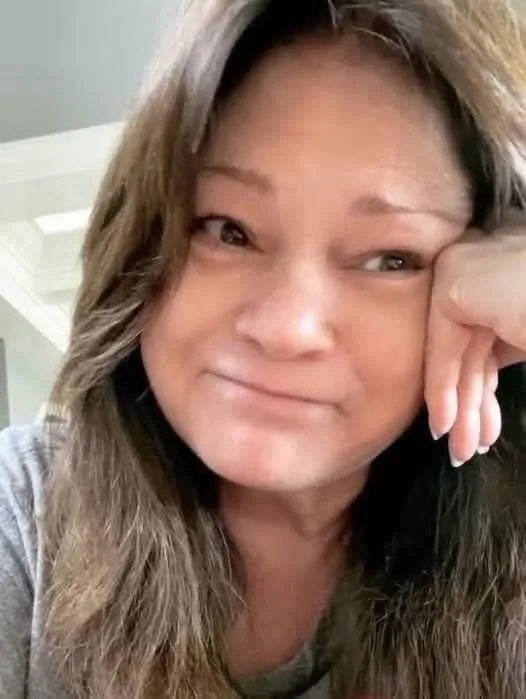
For more than a decade, Valerie Bertinelli welcomed viewers into her kitchen like old friends dropping by for comfort food and conversation. Her show, Valerie’s Home Cooking, was never built around flashy competition or dramatic culinary showdowns. Instead, it thrived on warmth, vulnerability, and the feeling that life’s messiest emotions could somehow become more manageable beside a stove and a shared meal.
That’s why the news of its cancellation landed so painfully for so many people.
Not only because the series ended after fourteen seasons, but because of the way Valerie chose to tell the world herself.
There was no polished studio statement. No carefully engineered publicity campaign. Instead, Valerie appeared quietly in her own kitchen speaking directly to the audience that had spent years inviting her into their homes. Her voice carried disappointment, but also honesty. She explained that Food Network had decided to end the show, and the simplicity of that announcement somehow made it hurt more.
No dramatic scandal.
No explosive conflict.
Just… over.
For longtime viewers, the loss feels personal because Valerie’s Home Cooking was never only about recipes. Over the years, Valerie allowed audiences to witness parts of her real life woven between the cooking segments—grief after losing Eddie Van Halen, reflections on divorce, struggles with self-worth, healing, aging, motherhood, and learning how to begin again after heartbreak.
The kitchen became less of a television set and more of an emotional refuge.
That authenticity is what separated Valerie from many television personalities. She didn’t present herself as flawless or unreachable. She cried publicly. She admitted insecurity. She talked honestly about loneliness and rebuilding her confidence. Viewers connected not because she seemed perfect, but because she seemed real.
And now, the reaction to the cancellation has revealed just how deeply that connection mattered.
Fans flooded social media with stories about watching her show during illnesses, divorces, grief, depression, and periods of isolation. Many described the series as comforting background companionship during some of the darkest chapters of their lives. Others said Valerie’s openness about pain helped them feel less ashamed of their own struggles.
The response from fellow television personalities has been equally emotional. Ree Drummond and other Food Network figures publicly embraced Valerie, offering visible support at a moment when many viewers felt the network itself remained strangely silent.
That silence has only intensified public frustration.
Because in the eyes of many fans, Valerie represented something increasingly rare in entertainment: gentleness without performance. Her success didn’t depend on cruelty, manufactured drama, or competition. It depended on emotional sincerity and the quiet comfort of making people feel welcome.
Ironically, the cancellation may have strengthened her connection with audiences rather than weakened it.
Because what viewers are mourning isn’t merely a television program.
They’re mourning a familiar presence.
A woman who stood in her kitchen talking honestly about life while stirring soup or baking dessert, reminding people that healing often happens slowly, imperfectly, and one ordinary day at a time.
And judging by the overwhelming public reaction, many people clearly aren’t ready to let that connection disappear.
If anything, this moment feels less like an ending and more like a transition. The network may have closed one chapter, but the support surrounding Valerie Bertinelli suggests audiences are fully prepared to follow wherever she goes next.
Because some personalities don’t simply host television shows.
They become part of people’s emotional routines.
And once that kind of trust is built, viewers rarely leave the table willingly.