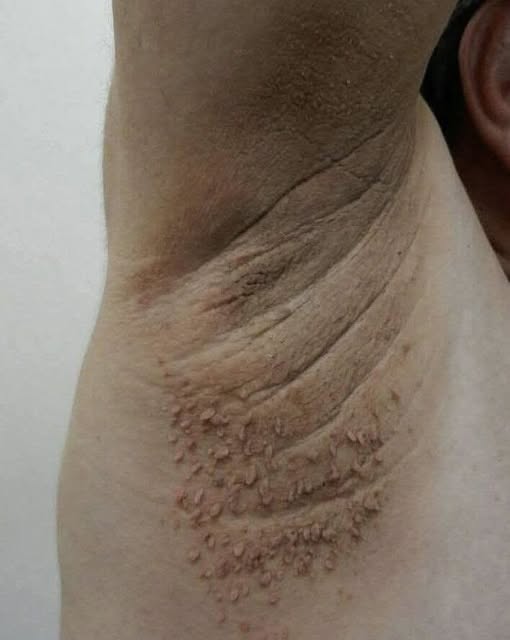
Have you spotted dark, thick, velvety-looking skin around your neck or underarms and tried scrubbing it away until the area became irritated or painful? Maybe you assumed it was dirt, sweat, or something you simply weren’t cleaning well enough. But when the discoloration refuses to disappear no matter how much you wash, there may be another explanation. It isn’t necessarily dirt, and in some cases it can be your body’s early warning that something deeper deserves attention. Linked with insulin resistance, hormonal conditions, certain medications, weight-related metabolic changes, and much more rarely certain cancers, this quiet change in your skin can sometimes communicate something important long before you feel sick.
Those dark, velvety patches that appear around the neck, armpits, groin, or other body folds are often associated with a condition called acanthosis nigricans. The skin may gradually become darker, thicker, and softer or more velvety in texture. Because these areas naturally experience sweat and friction, many people initially assume the discoloration is caused by poor hygiene and begin washing or scrubbing more aggressively.
But acanthosis nigricans cannot simply be scrubbed away. In fact, aggressive scrubbing may only irritate the skin without addressing the underlying reason it changed in the first place. The appearance has nothing to do with someone being “dirty” or failing to take care of themselves. Understanding that distinction matters because embarrassment can sometimes cause people to hide the patches rather than ask why they appeared.
In many people, one of the most important associations is insulin resistance. Insulin is a hormone that helps glucose move from the bloodstream into cells, where it can be used for energy. When the body becomes less responsive to insulin, it may compensate by producing more of it. High insulin levels can stimulate processes in the skin that contribute to the thickened, darker appearance characteristic of acanthosis nigricans.
For that reason, these patches may sometimes appear in people with prediabetes, type 2 diabetes, or other metabolic problems. They can also occur alongside conditions involving hormonal imbalance, including polycystic ovary syndrome and certain thyroid or adrenal disorders. In other cases, medications or supplements may contribute to the development of similar skin changes.
Body weight can also be associated with acanthosis nigricans, particularly when excess weight contributes to insulin resistance. However, assuming that every person with darkened skin folds simply needs to lose weight can miss the larger picture. People of different body types can experience the condition, and determining the underlying cause is more useful than making assumptions based solely on appearance.
The patches themselves are usually painless and are not generally dangerous. Some people may experience mild itching, odor, or irritation, particularly in areas where skin rubs together. But the real significance often lies beneath the surface. The skin change can serve as a visible clue that encourages someone to investigate their metabolic or hormonal health before other symptoms become obvious.
A healthcare professional can often recognize acanthosis nigricans simply by examining the affected skin and asking about medical history, medications, and other symptoms. Depending on the circumstances, blood tests may be recommended to evaluate glucose levels, insulin-related concerns, hormones, or other aspects of metabolic health.
Finding the underlying cause can make an enormous difference. If insulin resistance or elevated blood sugar is contributing, improving metabolic health may gradually reduce the appearance of the patches. If a medication is suspected, a clinician can determine whether an adjustment or alternative is appropriate. When a hormonal disorder is involved, treating that condition may also help the skin improve over time.
The discoloration usually does not disappear overnight. As the underlying problem improves, the skin may gradually become softer, smoother, and lighter. Gentle skincare can help keep affected areas comfortable while that process takes place. Harsh bleaching products, aggressive exfoliation, or repeated scrubbing may cause irritation and make the area feel worse.
Wearing loose, breathable clothing can reduce friction in affected folds, while gentle cleansing and moisturizing may help protect the skin barrier. Sun protection can also be useful for exposed areas such as the neck because sunlight can make differences in pigmentation more noticeable.
Most cases are connected to relatively common metabolic or hormonal factors, but there are uncommon situations in which acanthosis nigricans can be associated with more serious underlying illness, including certain cancers. This is rare, but sudden development, rapid spreading, extensive involvement, or unusual changes—particularly in someone without typical risk factors—deserve medical evaluation rather than being dismissed as a cosmetic problem.
Other symptoms can provide important clues as well. Increased thirst, frequent urination, unexplained changes in weight, unusual fatigue, or other new symptoms alongside darkened skin should be mentioned to a healthcare professional. None of these signs alone proves that diabetes or another condition is present, but together they may justify further investigation.
Perhaps the most important message is that there is no reason to feel ashamed. Acanthosis nigricans is not evidence that someone is dirty, lazy, or neglecting personal hygiene. It is a physical change that can happen for biological reasons, and treating the skin harshly will not solve a problem that may be coming from inside the body.
So if you notice dark, velvety patches that refuse to wash away, don’t simply cover them up or scrub harder. Pay attention to when they appeared, whether they are changing, and whether anything else about your health feels different. Show them to a qualified healthcare professional and allow your skin to become part of the conversation about your overall health. Sometimes the body whispers before it ever begins to shout, and recognizing that quiet signal early can give you valuable time to understand what is happening and take care of your future health.