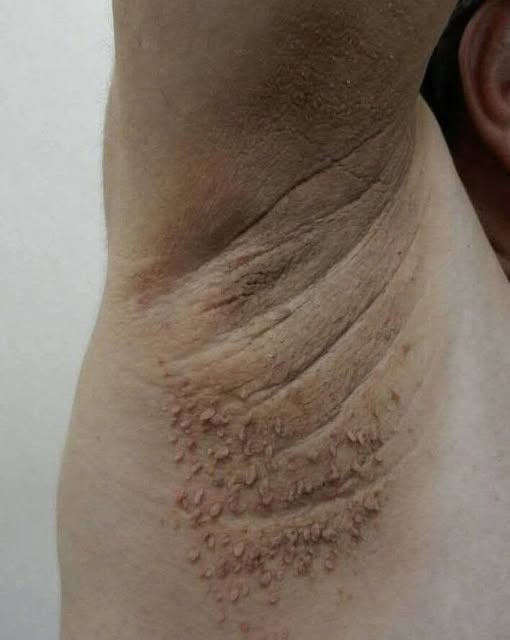
Understanding Dark Patches on the Skin: A Gentle Guide to Acanthosis Nigricans and When to Seek Care
Have you noticed darker, thicker areas of skin around your neck, underarms, or other body folds? Although these changes may seem like a simple cosmetic concern, they can sometimes provide clues about what is happening inside your body.
One possible explanation is a skin condition called acanthosis nigricans. It is often harmless in itself, but in some people, it is associated with insulin resistance and an increased risk of type 2 diabetes.
Understanding what these patches look like, what may cause them, and when to seek medical advice can help you take the right next steps without unnecessary worry.
1. What Is Acanthosis Nigricans?
Acanthosis nigricans is a skin condition characterized by darker, thicker areas of skin that may feel soft, velvety, or slightly raised.
It most commonly appears in skin folds, including:
- The back and sides of the neck.
- The armpits.
- The groin.
- The skin beneath the breasts.
- The knuckles and other body creases.
The affected skin may look brown, grayish, or nearly black, depending on a person’s natural skin tone.
Unlike dirt or ordinary discoloration, these patches generally do not disappear with washing. They may develop gradually and become more noticeable over time.
Acanthosis nigricans is not contagious, and it does not mean that someone has poor hygiene.
2. What Causes These Dark Patches?
There is no single cause of acanthosis nigricans. Several factors may contribute to its development.
Insulin resistance
One of the most common associations is insulin resistance, a condition in which the body’s cells respond less effectively to insulin.
The body may compensate by producing more insulin. These changes can be associated with alterations in skin growth and pigmentation.
Insulin resistance is associated with conditions such as prediabetes, type 2 diabetes, and polycystic ovary syndrome (PCOS).
However, having dark skin patches does not automatically mean you have diabetes. A medical assessment is needed to determine the cause.
Weight and metabolic health
Acanthosis nigricans is more common in people with overweight or obesity, partly because these conditions are associated with insulin resistance.
It can also occur in people who are not overweight, so body size alone cannot determine whether someone is affected.
Hormonal conditions and medications
Some hormonal disorders and certain medicines may contribute to the development of these patches.
A healthcare professional may review your medical history, medications, and other symptoms to identify possible contributing factors.
Rare underlying conditions
In rare cases, acanthosis nigricans can be associated with an internal illness, including certain cancers. This is more concerning when the skin changes appear suddenly, spread rapidly, or occur alongside other unexplained symptoms.
Most cases are not caused by cancer, but unusual or rapidly developing changes deserve prompt medical evaluation.
3. What Does Acanthosis Nigricans Look and Feel Like?
The appearance can vary from person to person, but common features include:
- Darker skin in areas where the skin folds.
- A thicker or velvety texture.
- Gradual changes in pigmentation.
- Mild itching or an unusual skin texture in some cases.
- Small skin tags appearing in nearby areas.
These changes are often symmetrical, meaning they appear on both sides of the body, such as both armpits.
Other skin conditions can cause dark patches, too. Friction, eczema, inflammation, and certain pigmentation disorders may look similar.
For that reason, it is best not to diagnose the condition from a photograph or skin color alone.
4. When Should You Seek Medical Advice?
Consider arranging a medical appointment if you notice new or unexplained dark patches, particularly when they are becoming thicker or spreading.
It is especially important to seek assessment if:
- The patches appear suddenly or spread rapidly.
- Several areas of the body become affected in a short period.
- You also experience unusual thirst, frequent urination, or unexplained weight changes.
- You have other symptoms that may suggest a hormonal or metabolic condition.
- The skin changes are accompanied by unexplained weight loss, difficulty swallowing, or other concerning symptoms.
Sudden, widespread changes in an adult warrant prompt assessment because, although uncommon, they can occasionally indicate an underlying illness that needs attention.
A clinician can examine the skin and determine whether blood tests or further investigations are appropriate.
5. What Tests Might a Doctor Recommend?
The evaluation depends on your age, medical history, symptoms, and appearance of the skin.
If insulin resistance or diabetes is a concern, your healthcare professional may recommend:
- Fasting blood glucose: Measures blood sugar after a period without food.
- HbA1c: Estimates average blood sugar over approximately two to three months.
- Additional blood tests: These may be appropriate when other metabolic or hormonal conditions are suspected.
Not everyone with acanthosis nigricans needs every test. Your clinician can decide which investigations are suitable.
Identifying an underlying cause is often more useful than treating the skin discoloration alone.
6. Can These Dark Patches Be Treated?
Yes. Treatment depends on the cause.
When acanthosis nigricans is associated with insulin resistance, addressing metabolic health may help improve the skin over time.
A healthcare professional may recommend:
- A balanced eating pattern with vegetables, whole grains, protein, and other nutrient-rich foods.
- Regular physical activity suited to your abilities.
- Gradual weight management when appropriate.
- Treatment of diabetes, hormonal disorders, or other underlying conditions.
- Reviewing medications that may contribute to the problem, when medically appropriate.
Skin changes may take months to improve, and they do not always disappear completely.
Dermatologists may also recommend selected topical treatments for texture or pigmentation. These should be chosen carefully because some products can irritate the skin or worsen discoloration.
7. What Should You Avoid Doing at Home?
Dark patches can be frustrating, but aggressive treatment may cause more harm than good.
Avoid:
- Scrubbing the affected areas harshly.
- Using household bleach or unregulated skin-lightening products.
- Applying strong acids or prescription creams without medical advice.
- Assuming the patches are caused by dirt and repeatedly washing the skin.
- Taking supplements advertised as a cure for insulin resistance without discussing them with a healthcare professional.
Gentle cleansing and moisturizing are reasonable ways to care for the skin while you arrange an assessment.
The most important step is identifying why the patches appeared in the first place.
8. Does Having Acanthosis Nigricans Mean You Will Develop Diabetes?
No.
Acanthosis nigricans can be a clue that insulin resistance may be present, but it is not a diagnosis of diabetes and does not guarantee that diabetes will develop.
A person’s overall risk depends on several factors, including family history, age, activity levels, medical conditions, and blood glucose measurements.
If your doctor identifies prediabetes, lifestyle changes and appropriate follow-up can help reduce the risk of progression to type 2 diabetes.
The skin can offer useful clues, but blood tests and clinical evaluation provide more reliable information about metabolic health.
The Bottom Line
Acanthosis nigricans causes darker, thicker, sometimes velvety patches of skin, often around the neck, armpits, or groin.
Although the condition is frequently associated with insulin resistance, it can have other causes, and its presence does not automatically mean that someone has diabetes or another serious illness.
New, unexplained, or rapidly spreading dark patches deserve medical attention—not panic or harsh home treatments.
With the right assessment, many people can identify the underlying cause, receive appropriate treatment, and improve both their skin health and overall well-being.
Medical disclaimer: This article is for educational purposes only and is not a substitute for professional medical advice, diagnosis, or treatment. A healthcare professional can evaluate skin changes and recommend appropriate testing based on your individual circumstances.