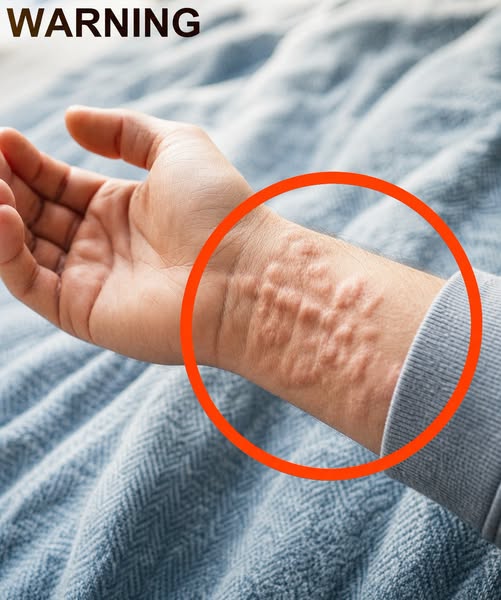
A red, itchy rash can seem harmless—until breathing suddenly changes. One moment there are only raised patches on the skin, and the next the chest begins to tighten, the throat feels strangely narrow, and panic takes over. Many people hesitate at that point, hoping the symptoms will settle on their own. But when a rash appears alongside breathing problems, waiting can be dangerously costly. Recognizing when an allergic reaction has moved beyond the skin can mean the difference between getting timely treatment and facing a life-threatening emergency.
A rash that appears together with difficulty breathing is **not** something to simply “wait and see” about. Raised, itchy welts known as hives may be an early visible sign of an allergic reaction. When they occur with symptoms such as wheezing, shortness of breath, chest tightness, swelling of the lips, tongue, throat, or face, dizziness, fainting, or signs of circulatory collapse, the person may be experiencing **anaphylaxis**.
Anaphylaxis is a severe, rapidly developing allergic reaction that can affect multiple parts of the body at once. The airways can swell and become difficult to breathe through. Blood pressure can fall dangerously low. A person can become confused, weak, or unconscious. The frightening part is how quickly these changes can occur, sometimes within minutes.
The trigger isn’t always obvious.
Foods such as peanuts, tree nuts, shellfish, milk, eggs, or other allergens can cause severe reactions. Medications, insect stings, latex, and other substances can also trigger anaphylaxis. In some cases, the exact cause may never be immediately identified. What matters in the moment is recognizing the pattern of symptoms rather than waiting for certainty about what caused them.
If anaphylaxis is suspected, **emergency medical help should be activated immediately**. If the person has a prescribed epinephrine auto-injector, it should be used according to its instructions without delaying emergency care. Epinephrine is the first-line treatment for anaphylaxis, and symptoms can return or worsen even after an initial improvement.
Do not assume that antihistamines alone are enough when breathing or circulation is affected. They may help some skin symptoms, but they do not replace epinephrine for anaphylaxis.
Stay with the person while help is coming and follow the emergency dispatcher’s instructions. If they become unconscious and are not breathing normally, emergency responders should be contacted immediately and CPR should be started if appropriate and the rescuer is able to do so.
The key is recognizing the warning signs early.
Hives alone do not necessarily mean anaphylaxis. But hives combined with breathing difficulty, swelling of the mouth or throat, faintness, or other signs of a serious systemic reaction should be treated as an emergency.
A rash may look like a problem on the surface.
When breathing changes, it may be something much more serious.
Don’t wait for the reaction to become unmistakable. **Call emergency services, use prescribed epinephrine when indicated, and get urgent medical help.**