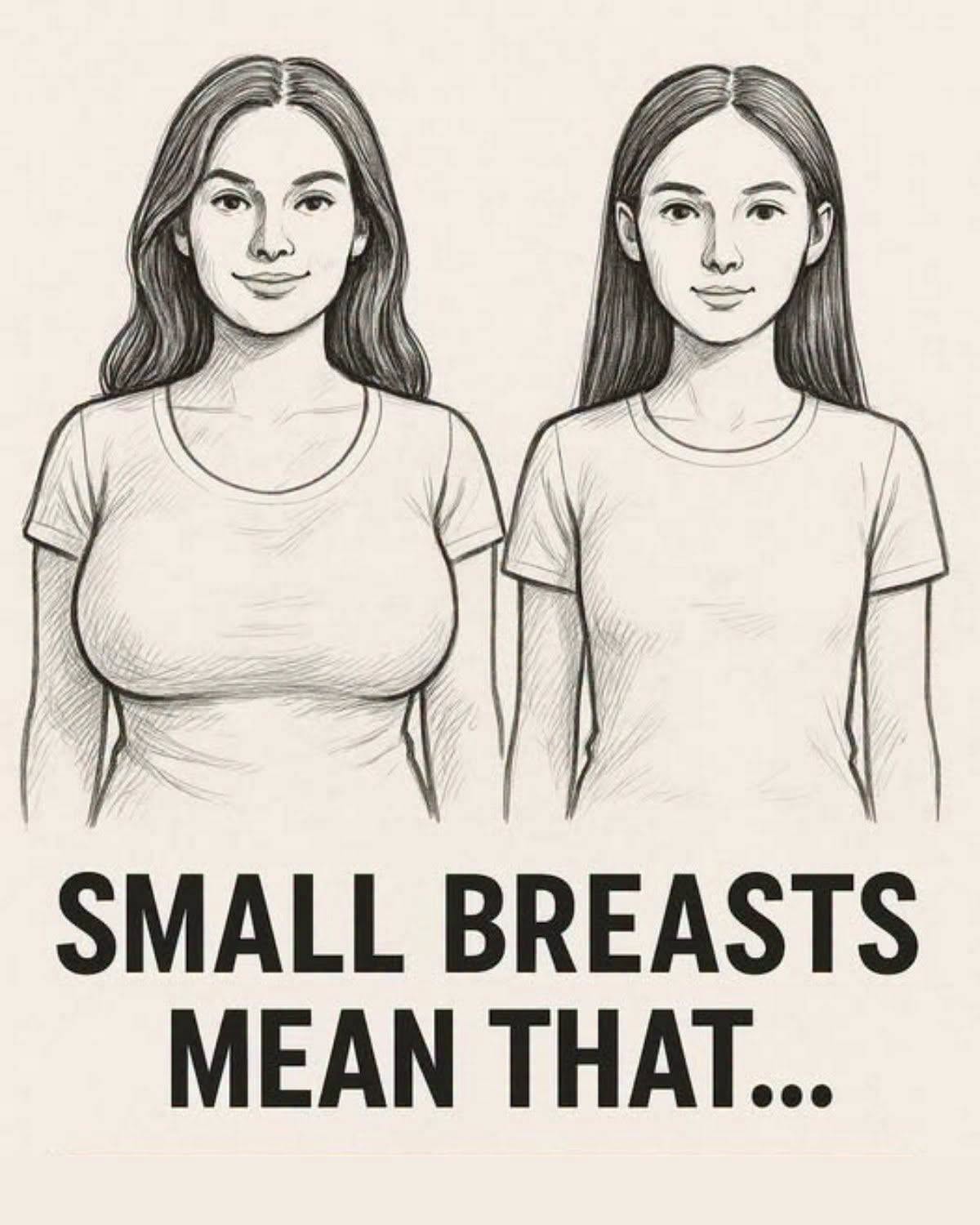
The Shocking Myth About Breast Size and Hormones That Many Women Still Believe
Breast size has long been surrounded by myths, misconceptions, and confusing claims about hormones. From suggestions that larger breasts indicate higher estrogen levels to beliefs that certain foods can naturally increase breast size, many women have encountered advice that sounds convincing but isn’t supported by strong scientific evidence.
So, what really determines breast size? And how much do hormones actually influence breast development?
The truth is more complex than many people realize.
Do Hormones Determine Breast Size?
Hormones play an important role in breast development, particularly during puberty, pregnancy, and other periods of hormonal change. However, breast size alone cannot reliably tell you whether your hormone levels are high, low, or normal.
Estrogen contributes to the development of breast ducts and other breast tissues during puberty. Progesterone also plays a role in breast development and changes associated with the menstrual cycle and pregnancy.
But these hormones are only part of the picture.
Genetics, body composition, age, and individual differences in breast tissue all influence breast size. Two women with similar hormone levels can have very different breast sizes, and both can be perfectly healthy.
The Myth That Bigger Breasts Mean More Estrogen
One widespread misconception is that women with larger breasts necessarily have higher estrogen levels than women with smaller breasts.
This is not a reliable conclusion.
Breast size depends on several factors, including the amount of fatty tissue, the amount and structure of glandular tissue, and inherited characteristics. Hormone sensitivity also differs between individuals.
Consequently, a woman with smaller breasts may have normal estrogen levels, while a woman with larger breasts may have similar levels.
Breast size is not a medical test for hormonal balance. If someone experiences symptoms that suggest a hormonal problem, a healthcare professional can determine whether an evaluation is appropriate.
Why Breasts Change During the Menstrual Cycle
Have you ever noticed that your breasts feel fuller, heavier, or more tender before your period?
These changes are common and are often associated with normal hormonal fluctuations throughout the menstrual cycle.
Some women experience temporary swelling or increased sensitivity in the days leading up to menstruation. The changes typically improve after the period begins or progresses.
However, the degree of swelling varies considerably. Some women notice obvious changes, while others experience almost none.
Temporary fullness does not necessarily mean that your breasts have permanently increased in size or that your hormones are abnormal.
Can Weight Gain or Weight Loss Change Breast Size?
Yes. Breast size can change when body weight changes because breasts contain varying amounts of fatty tissue.
Weight gain may increase breast volume in some women, while weight loss may reduce it. The extent of these changes depends on individual body composition and genetics.
However, breast tissue is not made up entirely of fat. Glandular and connective tissues also contribute to its structure, which explains why weight changes affect different women differently.
There is no guaranteed amount of weight gain or loss that will produce a particular breast size.
What Happens to Breast Size During Pregnancy?
Pregnancy can bring significant changes to breast size and sensitivity.
Hormonal changes help prepare the breasts for milk production, leading to growth in glandular tissue and changes in blood flow. The breasts may become fuller, heavier, or more tender.
After childbirth and breastfeeding, breast size and shape may change again. Some women return close to their previous size, while others notice lasting differences.
These changes are normal and do not necessarily indicate a hormonal imbalance.
Can Certain Foods Increase Breast Size Naturally?
Social media frequently promotes foods such as soy products, nuts, seeds, and special herbal mixtures as natural ways to increase breast size.
However, there is no convincing scientific evidence that eating a particular food reliably produces a permanent increase in breast size.
A balanced diet supports general health, but no specific food has been established as a safe, dependable breast-enlargement method.
Likewise, supplements marketed as breast-enhancement products may have uncertain ingredients, limited evidence of effectiveness, and potential interactions with medications.
It is wise to be cautious about products promising dramatic physical changes through hormone manipulation.
When Should Breast Changes Be Checked?
Most gradual breast changes associated with puberty, menstrual cycles, pregnancy, aging, or weight fluctuations are normal.
Nevertheless, certain changes deserve medical attention, including:
A new lump or thickened area in the breast.
Sudden swelling or a noticeable change in one breast.
New skin dimpling, persistent redness, or changes resembling an orange peel.
New nipple inversion or unusual discharge, especially bloody discharge.
Persistent, unexplained pain or other changes that do not improve.
These symptoms do not automatically indicate cancer or another serious condition, but a healthcare professional should assess them.
The Truth Every Woman Should Know
Breast size is not a reliable indicator of femininity, fertility, sexual health, or hormone levels.
Hormones influence breast development, but genetics, body composition, age, and other biological factors also matter. No single breast size is inherently healthier than another, and differences between women are completely normal.
The biggest myth isn’t simply that hormones affect breast size. It’s the belief that breast size alone reveals what is happening inside a woman’s body.
Understanding the difference can help women make informed health decisions, avoid misleading products, and recognize when a genuine medical concern deserves attention.
Health note: This article provides general educational information and is not a substitute for individualized medical advice.