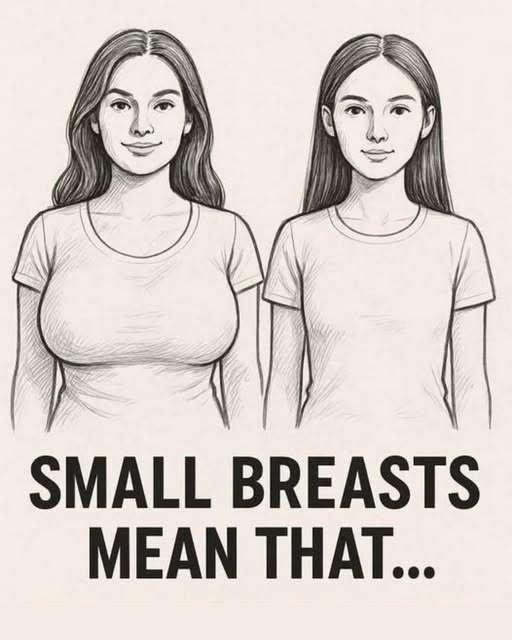
A woman’s breast size or shape is not a reliable indicator of her hormone levels or overall reproductive health. Breast appearance is influenced by many normal factors, including genetics, body composition, age, pregnancy, breastfeeding, and natural changes in weight over time. Two women may have very different body types and breast sizes while both having completely healthy hormone levels, regular menstrual cycles, and normal fertility. Because of this, breast size alone cannot be used to diagnose hormonal imbalances or other medical conditions.
When healthcare professionals evaluate hormonal health, they rely on a much broader picture than physical appearance. A person’s medical history, menstrual patterns, symptoms, physical examination, and, when appropriate, laboratory testing all provide far more meaningful information than breast size. Hormones affect the body in complex ways, and no single physical characteristic can accurately reflect how the endocrine system is functioning.
Certain symptoms may suggest that further medical evaluation is appropriate. Irregular or absent menstrual periods, unexpected nipple discharge unrelated to pregnancy or breastfeeding, excessive facial or body hair, persistent severe acne, hot flashes occurring at an unusually young age, unexplained changes in weight, or difficulty becoming pregnant can sometimes indicate an underlying hormonal or reproductive condition. These symptoms do not automatically mean a serious problem is present, but they are important reasons to discuss concerns with a qualified healthcare professional.
Equally important is becoming familiar with what is normal for your own body. Breasts naturally change throughout life and may feel or appear different during the menstrual cycle, pregnancy, breastfeeding, menopause, or periods of weight change. Regular breast self-awareness—knowing how your breasts normally look and feel—can make it easier to notice changes that deserve medical attention without creating unnecessary anxiety about normal variation.
If you notice a new breast lump, persistent pain in one specific area, skin changes, nipple retraction, unusual nipple discharge, or any other change that does not resolve or seems unusual for you, it is advisable to seek evaluation from a healthcare provider. They can determine whether additional examination, imaging, or laboratory tests are needed and recommend appropriate follow-up based on your individual situation.
Ultimately, breast size is simply one aspect of normal human variation rather than a measure of hormonal health. Paying attention to your overall well-being, recognizing persistent or unusual symptoms, attending recommended medical screenings, and seeking professional advice when changes occur are far more reliable ways to monitor your health than drawing conclusions based on appearance alone. Knowledge of your own normal patterns—and timely medical evaluation when something changes—remains one of the most valuable tools for maintaining breast and reproductive health.