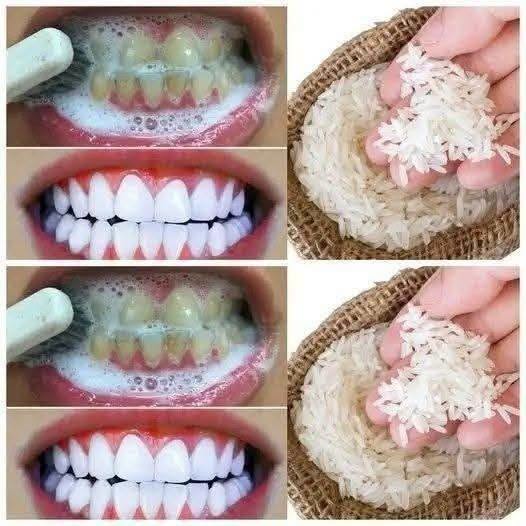
It looks completely harmless at first glance. A little rice flour, a squeeze of fresh lemon juice, a few drops of olive oil, a dab of toothpaste, and a promise that sounds almost too good to ignore: dazzling white teeth in just 60 seconds. Social media videos make it appear effortless, with creators confidently brushing the homemade mixture across their teeth before flashing dramatically brighter smiles moments later. Millions of people have watched these clips, convinced they have discovered an inexpensive shortcut to a perfect smile. But behind the impressive before-and-after videos lies an important question that many viewers never stop to ask: is this simple DIY whitening trick actually safe, or could one minute of scrubbing leave behind damage that lasts a lifetime?
The popularity of homemade whitening remedies has exploded as more people search for affordable alternatives to professional dental treatments. Viral videos often present natural ingredients as gentle, chemical-free solutions that anyone can prepare at home within seconds. Because rice flour, lemon juice, olive oil, and toothpaste are common household items, many people assume they must also be harmless when combined. Unfortunately, something being natural does not automatically mean it is safe for your teeth.
One of the biggest concerns with this popular mixture is the combination of abrasion and acid. Rice flour has a naturally gritty texture that creates friction as you brush, while most toothpastes already contain carefully balanced abrasive ingredients designed to remove surface stains. Individually, these products can serve useful purposes when used correctly. Together, however, they create significantly more abrasion than your tooth enamel was designed to withstand on a regular basis.
The addition of lemon juice makes the situation even more concerning. Lemon juice contains citric acid, which temporarily softens the outer layer of tooth enamel. When softened enamel is immediately scrubbed with abrasive ingredients like rice flour and toothpaste, the protective surface can wear away much faster than it otherwise would. Since tooth enamel cannot regenerate once it is lost, repeated use of highly abrasive acidic mixtures may gradually thin this protective layer over time.
Many people mistake the immediate results for genuine whitening. After using abrasive mixtures, teeth may temporarily appear brighter because surface stains have been aggressively polished away and the enamel has become temporarily dehydrated. This dehydration changes the way light reflects from the teeth, creating the illusion of a whiter smile. Unfortunately, this effect is often temporary. As the teeth naturally rehydrate, much of that bright appearance fades, while the underlying damage to the enamel remains.
Ironically, excessive abrasion may actually make teeth appear more yellow in the long run. As enamel becomes thinner, the naturally yellow dentin beneath it becomes more visible. At the same time, roughened enamel surfaces are more likely to trap pigments from coffee, tea, wine, and other foods, making future staining even easier. What begins as an attempt to achieve a brighter smile can eventually produce the opposite result.
Some social media recipes include olive oil, suggesting it protects the teeth or reduces potential damage. However, there is little scientific evidence showing that olive oil can shield enamel from the combined effects of acid and abrasion in these homemade whitening mixtures. While oil itself is generally not harmful to teeth, it does not cancel out the erosive effects of acidic ingredients or prevent abrasive particles from wearing down enamel during brushing.
Sensitivity is another common consequence of enamel erosion. As the protective outer layer gradually becomes thinner, the underlying dentin is exposed more easily to hot, cold, sweet, or acidic foods and drinks. Many people first notice occasional discomfort while enjoying ice cream or sipping hot coffee, only to discover that the sensitivity worsens over time if the habits causing enamel wear continue.
Fortunately, there are safer ways to brighten your smile without putting your enamel at unnecessary risk. Dentists often recommend using whitening toothpastes approved by recognized dental organizations, which are specifically formulated to remove surface stains while minimizing unnecessary abrasion. Occasional use of baking soda in moderation may also help reduce certain stains, although it should not replace regular toothpaste or become an aggressive daily treatment.
Professional whitening performed under dental supervision remains one of the safest and most effective options for people seeking more noticeable results. Dentists can evaluate the health of your teeth, recommend appropriate whitening methods, and monitor treatment to minimize sensitivity or damage. They can also identify whether discoloration results from surface stains, aging, medications, or other conditions that may require different approaches.
Maintaining a naturally healthy smile often depends less on dramatic whitening treatments and more on consistent daily habits. Brushing twice a day with fluoride toothpaste, flossing regularly, limiting stain-causing foods and beverages, and attending routine dental checkups all contribute to brighter, healthier teeth over time. Drinking water after consuming coffee, tea, or acidic drinks can also help reduce staining and protect enamel.
The desire for a whiter smile is understandable, but it should never come at the expense of long-term dental health. Viral trends often focus on dramatic visual transformations while overlooking the biological limits of the human body. Tooth enamel is one of the strongest substances in the body, yet once it wears away, it cannot naturally grow back. Every decision that protects it today helps preserve your smile for years to come.
Before trying any internet whitening hack, it’s worth remembering that healthy teeth are far more valuable than an instantly brighter appearance. A smile with strong, intact enamel will always serve you better than one temporarily polished at the cost of permanent damage. Sometimes the healthiest smile isn’t the brightest one on social media—it’s the one that remains strong, comfortable, and protected for a lifetime.