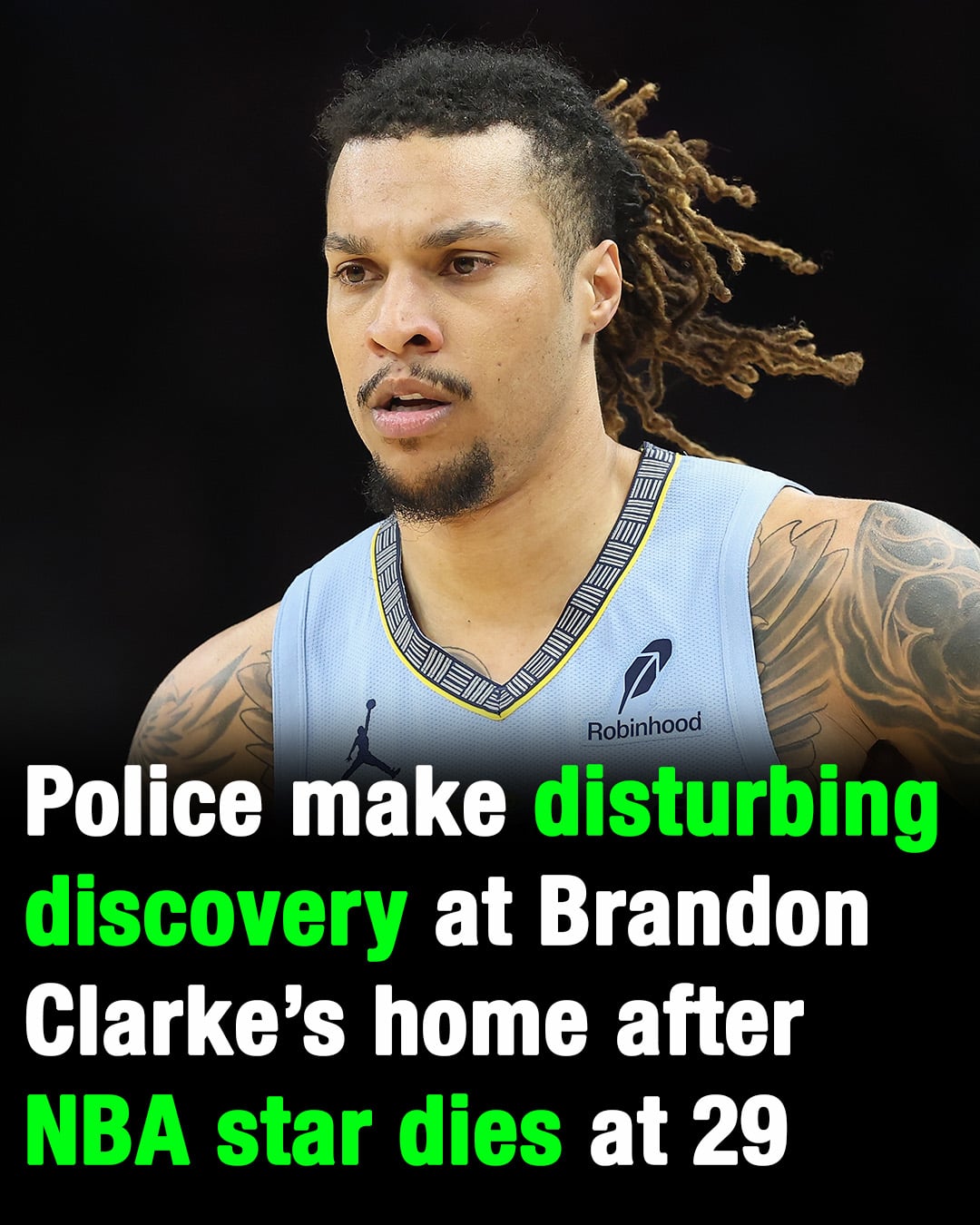
The basketball world fell into stunned silence when news broke that Brandon Clarke had died at just 29 years old.
For fans of the Memphis Grizzlies, the shock felt almost impossible to process. Clarke wasn’t only known for explosive dunks, relentless energy, and highlight-reel hustle. Teammates, coaches, and supporters consistently described him as one of the gentlest and most quietly compassionate people in the organization — the kind of player who remembered staff members’ names, stayed late for fans, and carried himself with unusual humility in a league built around ego and spectacle.
Now, instead of discussing rebounds, injuries, or comeback seasons, the basketball community is grappling with grief and unanswered questions.
The Grizzlies confirmed Clarke’s death on Tuesday, while the National Basketball Association and his agency released emotional statements mourning the loss.
Reports indicate Clarke was found dead Monday at a home in California’s San Fernando Valley after emergency responders answered a medical call. Authorities have not officially announced a cause of death yet, and investigators are reportedly awaiting toxicology results.
Several outlets also reported that drug paraphernalia was allegedly discovered at the scene and that investigators are examining the possibility of an overdose, though officials have emphasized that the investigation remains ongoing and no final conclusions have been publicly confirmed.
The tragedy arrives only weeks after Clarke reportedly faced legal troubles connected to drug-related charges in Arkansas, adding another painful layer to a story that already feels unbearably heavy for many fans.
What makes the loss hit especially hard is the contrast between Clarke’s public image and the darkness now surrounding his final chapter.
To many people, he represented perseverance and warmth. Born in Vancouver and raised partly in Arizona, Clarke fought his way from college basketball at San Jose State and Gonzaga Bulldogs men’s basketball into the NBA, eventually becoming a beloved figure in Memphis after being drafted in 2019. His rookie season immediately established him as one of the league’s promising young forwards, earning NBA All-Rookie First Team honors.
Even through devastating injuries — including major knee and Achilles setbacks that interrupted his career repeatedly — teammates and fans admired the way he continued working quietly without bitterness or self-pity.
And off the court, stories about his kindness followed him everywhere.
Reports highlighted his charity work in Memphis schools, his close relationship with family, and the habit of checking on others before focusing on himself.
That is partly why the details emerging now feel so painful to people who admired him.
Because sudden losses involving young public figures often force audiences to confront something uncomfortable: the enormous gap between what people appear to carry publicly and what they may be struggling with privately.
Professional athletes are often treated like symbols rather than human beings. Fans see performance, confidence, strength, and wealth. They rarely see loneliness, pressure, physical pain, emotional exhaustion, fear about injuries, identity struggles, or whatever battles might unfold quietly once arenas empty and cameras disappear.
In the aftermath of Clarke’s death, the league now sits in a strange suspended silence.
Tributes continue pouring in.
Former teammates share stories.
Fans replay old highlights online — thunderous dunks, shy postgame smiles, emotional celebrations — searching for connection to someone who suddenly feels impossible to lose this young.
But beneath all the headlines, speculation, and investigations remains the simplest and saddest truth:
A 29-year-old man is gone.
A family is grieving privately while millions discuss public details they may never fully understand.
And for those who loved Brandon Clarke personally, he is not a cautionary headline or an investigation file. He is someone whose voice, laughter, presence, and future disappeared far too soon