One of the most important concerns following a TIA is the increased risk of a subsequent stroke. This risk is particularly significant during the first hours and days after the episode, making prompt medical assessment essential. A TIA can serve as an important warning that the blood vessels supplying the brain may be affected by an underlying problem. Identifying the cause and beginning appropriate treatment as quickly as possible can help reduce the likelihood of a more serious event and protect the person’s long-term health.
Older adults generally face a greater risk of experiencing a TIA, although it can also occur in younger people. Several medical conditions and lifestyle factors can increase the likelihood of an episode. These include high blood pressure, diabetes, elevated cholesterol, smoking, and atrial fibrillation, a heart rhythm disorder that can allow blood clots to form and travel toward the brain. A history of cardiovascular disease or previous stroke can also be relevant when clinicians assess an individual’s risk. Understanding these factors is important because many can be managed through appropriate medical care and changes in daily habits.
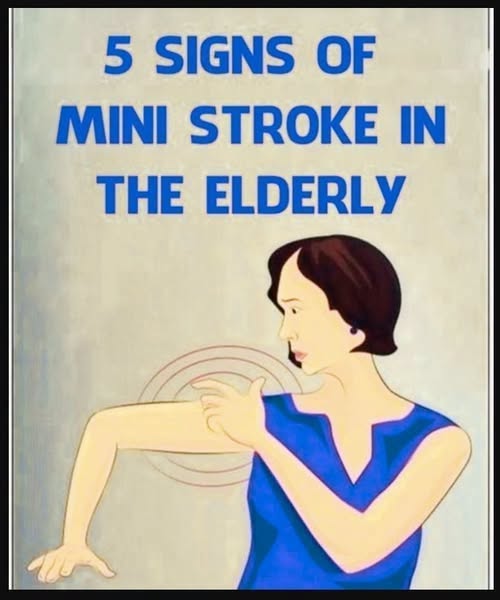
The symptoms of a TIA can resemble those of a full stroke, which is why recognizing them quickly matters. A person may suddenly have difficulty speaking or understanding what others are saying. Weakness, numbness, or loss of movement may affect one side of the face or body. Vision may become blurred, double, or temporarily impaired, while some people experience dizziness, difficulty walking, or a sudden loss of coordination. These changes can appear without warning and may disappear before the person receives medical attention.
A sudden, severe headache also requires urgent medical assessment, particularly when it is unusual for the person or occurs alongside other neurological symptoms. Although a severe headache is not a defining feature of every TIA, it can signal another serious medical emergency. It is therefore unsafe to assume that symptoms are harmless simply because they improve or because the person does not experience every typical warning sign.
If someone develops sudden symptoms that could indicate a TIA or stroke, call the local emergency number immediately. Do not wait to see whether the symptoms return, and do not assume that medical care is unnecessary because the person begins to feel better. A temporary improvement does not eliminate the possibility of a dangerous underlying condition. The person should not drive themselves to the hospital, and others should avoid transporting them in a private vehicle when emergency medical services are available.
It is also helpful to record the time the symptoms began or, if the exact onset is unknown, the last time the person was known to be well. This information can help medical professionals assess the situation and determine which investigations and treatments may be appropriate. If symptoms disappear before emergency personnel arrive, medical assessment is still necessary. Even a brief episode can provide important evidence of a problem affecting the brain’s blood supply.
Once the person reaches a medical facility, clinicians may perform a neurological examination and order several tests to investigate the cause. Brain imaging, such as a CT scan or MRI, may be used to look for evidence of stroke or other conditions. Tests of the blood vessels can help identify narrowing or blockages, while heart monitoring may detect atrial fibrillation or another rhythm abnormality that could increase the risk of blood clots. Blood tests and other investigations may also help identify contributing medical conditions.
Treatment depends on the suspected cause of the episode and the individual’s overall health. Some patients may be prescribed antiplatelet medication to reduce the likelihood of certain clots forming, while others may need anticoagulants, particularly when a condition such as atrial fibrillation is responsible for the increased risk. Cholesterol-lowering medication, blood pressure treatment, and management of diabetes may also form part of a prevention plan. In selected cases, procedures to address significant narrowing in an artery may be considered by specialists.
Medication should always be chosen according to professional medical advice. People should not start taking aspirin on their own after suspected TIA symptoms, because clinicians first need to assess the situation and determine the safest course of action. Similarly, anyone already taking medication should follow their prescribed treatment plan and discuss any changes with their healthcare professional.
Long-term prevention also involves addressing the factors that increase the risk of another event. Depending on the individual’s circumstances, this may include monitoring blood pressure, managing blood sugar and cholesterol, stopping smoking, maintaining an appropriate level of physical activity, and following a balanced diet. Regular medical appointments can help clinicians monitor progress, adjust treatment, and identify problems before they lead to further complications.
Ultimately, a transient ischemic attack is more than a temporary episode of weakness, speech difficulty, or visual disturbance. It can be an important warning that urgent medical attention and preventive treatment are needed. Recognizing the symptoms, calling emergency services without delay, and following medical advice can make a meaningful difference to a person’s future health. When it comes to a possible TIA or stroke, acting quickly is far safer than waiting for symptoms to disappear or hoping they will not return.
Shënim i rëndësishëm mjekësor: Nëse këto simptoma po ndodhin tani te ti ose te dikush pranë teje, telefono menjëherë urgjencën lokale, edhe nëse simptomat janë zhdukur. Mos prit për të parë nëse do të përsëriten.