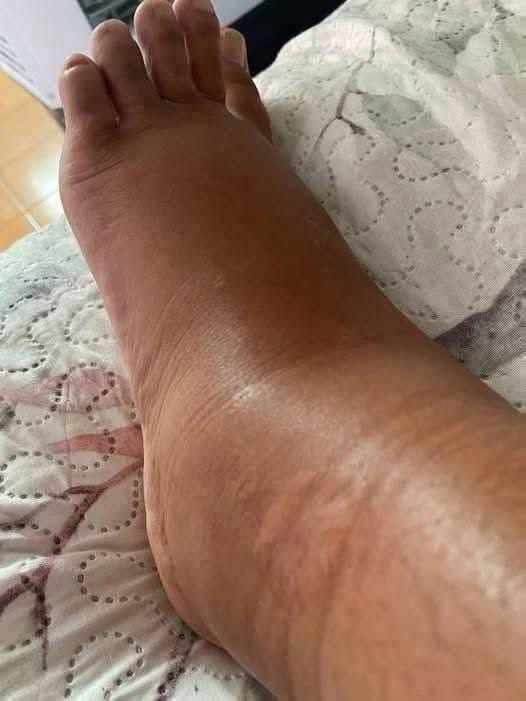
It often begins with something surprisingly small. Your shoes feel tighter than they did that morning. Your socks leave deeper marks around your ankles. By evening, your feet look puffy and heavy, and pressing a finger against the swollen skin may even leave a temporary indentation. Because these changes can appear gradually, many people barely notice them at first, especially when the swelling disappears after a night of rest.
Most people dismiss it with the same explanation: “I’ve just been on my feet too long.” Sometimes, they’re right. Swelling in the feet and ankles can occur when excess fluid collects in the surrounding tissues, a condition commonly called edema. After a long day of standing, sitting, traveling, or spending time in hot weather, gravity can encourage fluid to accumulate in the lower legs. This type of temporary swelling is relatively common and may improve once the body has had time to recover.
A particularly salty meal can contribute as well, because sodium influences how much fluid the body retains. When you consume more sodium than usual, your body may hold on to additional water, which can make swelling more noticeable. In many everyday situations, mild swelling improves once you rest and give your legs a chance to recover. However, swelling that is persistent, severe, or accompanied by other concerning symptoms should not simply be assumed to be caused by standing or eating salty food.
One of the simplest things you can do is elevate them. Instead of merely sitting down with your feet touching the floor, try raising your legs comfortably while resting. Elevation can help fluid that has collected around the ankles move away from the lower extremities. Even spending some time with your legs supported on pillows or another comfortable surface may make your feet feel less heavy after a long day.
Gentle movement can also help. If you’ve spent hours sitting at a desk, traveling in a car, or remaining in one position, periodically standing and walking can activate the muscles in your legs. Even simple ankle movements—slowly pointing and flexing your feet or making gentle circles—can keep your lower legs from remaining completely inactive. These small movements can be especially useful during long periods of sitting when getting up for a full walk is not always possible.
The goal isn’t an exhausting workout. It’s movement. Regularly changing position and allowing the muscles of your legs to work can be a simple way to avoid remaining completely still for hours. For people whose swelling is related to prolonged sitting or standing, these small habits may be easier to maintain than dramatic changes to their daily routine.
Heat can make swelling feel worse for some people, so a cool compress may provide temporary comfort. Avoid placing ice directly against the skin; wrap a cold pack in a cloth and use it for short periods instead. The purpose is primarily to make the area feel more comfortable rather than to treat whatever underlying issue may be causing the swelling.
And although warm foot soaks can feel soothing, they’re better viewed as a comfort measure than a treatment for the underlying cause of swelling. Epsom salts are often recommended online, but evidence that they meaningfully draw excess fluid from swollen feet through the skin is limited. A relaxing soak may feel pleasant after a long day, but it should not replace attention to the factors that may actually be contributing to persistent swelling.
Sometimes the most useful changes happen before swelling begins. Start with your shoes. Footwear that is excessively tight can become miserable once your feet expand during the day. Comfortable, supportive shoes with enough room for your feet can make a significant difference, particularly if your job requires long periods of standing or walking. Choosing footwear that does not squeeze the toes, sides or top of the foot can make everyday movement considerably more comfortable.
Hydration matters too. It may sound strange to drink water when your body appears to be retaining fluid, but intentionally dehydrating yourself is not a good solution. Your body needs adequate fluids for normal circulation and kidney function. Drinking enough water throughout the day can support normal bodily functions, while deliberately restricting fluids may create other problems rather than solving the swelling.
Your diet deserves attention as well. Packaged snacks, processed meats, fast food, canned foods, sauces, and many prepared meals can contain surprisingly large amounts of sodium. If swelling tends to follow particularly salty days, reducing high-sodium foods may help. Paying attention to food labels and choosing more fresh, minimally processed foods can make it easier to control how much sodium you consume.
Small dietary changes can accumulate. You do not necessarily need to completely eliminate every food you enjoy. Instead, noticing patterns can be useful. If your feet repeatedly become swollen after certain meals, long periods of inactivity, hot days, or extended standing, that information can help you identify possible triggers and make practical adjustments.
At the same time, it is important not to assume that every case of swollen feet is harmless. Edema can sometimes be associated with underlying medical conditions, medications, circulation problems, or issues involving organs such as the heart or kidneys. Swelling that repeatedly returns without an obvious explanation deserves attention, particularly if it is becoming more frequent or severe.
The pattern can also matter. Swelling in both feet after a long day may have a very different explanation from sudden swelling affecting only one leg. Pain, redness, warmth, significant tenderness, shortness of breath, chest discomfort, or other new symptoms can make swelling more concerning and warrant prompt medical evaluation.
The key is to pay attention to what is normal for your body. Occasional mild puffiness after a long day may improve with rest, elevation, movement and other simple measures. But swelling that does not improve, keeps returning, or appears alongside other symptoms should not automatically be blamed on standing too long or eating too much salt.
Your feet carry you through countless hours of everyday life, so changes in how they feel can be worth noticing. A little swelling may sometimes be nothing more than the result of gravity, heat, inactivity or diet. But when your body repeatedly sends the same signal, listening to it can be more useful than simply dismissing it.
Simple habits—moving regularly, elevating your legs when resting, staying adequately hydrated, choosing comfortable footwear and paying attention to sodium intake—can all support healthier daily routines. And when something about the swelling seems unusual or persistent, speaking with a healthcare professional can help determine whether there is a deeper reason behind it.
The important lesson is not to panic over every swollen ankle, but also not to ignore persistent changes. Mild swelling can have everyday explanations, while ongoing or unusual edema can sometimes point to something that deserves further evaluation. Understanding the difference can help you respond appropriately instead of assuming every swollen foot has the same cause.