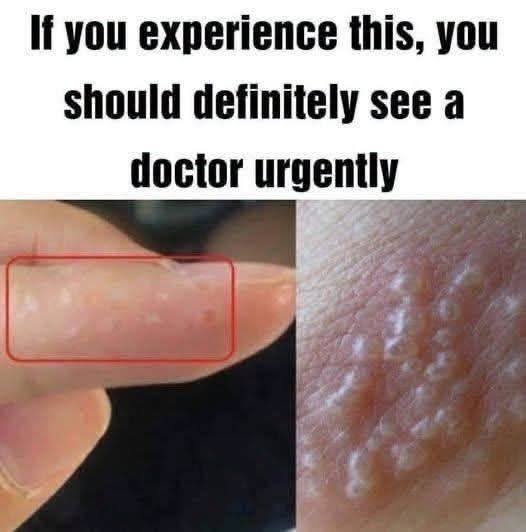
Spring is supposed to feel like a fresh beginning. Flowers bloom, temperatures rise, and people eagerly spend more time outdoors after months of cold weather. But for millions living with dyshidrotic eczema, the arrival of warmer days brings something very different. Instead of relief, they prepare for painful flare-ups that can appear with little warning. Tiny, fluid-filled blisters suddenly emerge on the hands or feet, bringing intense itching, burning, and discomfort that can quickly turn even the simplest daily routines into exhausting challenges.
What begins as a slight tingling sensation often escalates within hours. Deep, itchy blisters develop beneath the skin, sometimes clustering together across the palms, fingers, soles of the feet, or sides of the toes. The itching can become so intense that resisting the urge to scratch feels almost impossible. Yet scratching usually makes matters worse, damaging the skin further and increasing the risk of infection.
For many people, the physical discomfort is only part of the struggle.
Everyday activities that most people never think twice about suddenly become painful. Washing dishes, typing on a keyboard, preparing meals, opening jars, fastening buttons, or simply holding a loved one’s hand may trigger sharp pain as the delicate skin stretches and cracks. Walking can become uncomfortable when blisters develop on the feet, making work, exercise, or even short trips difficult.
The condition often follows an unpredictable cycle.
After several days, the blisters begin to dry out, leaving behind peeling, cracked skin that may remain tender for weeks. Even after one flare heals, another can develop unexpectedly, creating an ongoing pattern that many people find physically and emotionally exhausting.
Although researchers still do not know the exact cause of dyshidrotic eczema, several factors are known to trigger or worsen flare-ups.
Seasonal weather changes, particularly during spring and summer, frequently coincide with increased outbreaks. Rising temperatures lead to more sweating, which can irritate already sensitive skin. Emotional stress, allergies, exposure to certain metals such as nickel or cobalt, and frequent contact with harsh soaps, detergents, or cleaning chemicals may also contribute to flare-ups in susceptible individuals.
Stress deserves special attention because it often creates a frustrating cycle.
Living with chronic itching and painful skin naturally causes anxiety and frustration. Unfortunately, heightened stress levels can themselves trigger additional eczema flare-ups, making symptoms even more difficult to control. Many patients describe periods where emotional strain and worsening skin problems seem to feed into one another.
Diagnosis usually begins with a dermatologist carefully examining the affected skin.
Because several skin conditions can resemble dyshidrotic eczema, doctors may sometimes perform additional tests to rule out fungal infections, allergic contact dermatitis, or other inflammatory skin disorders. Identifying the correct diagnosis is important because treatment strategies differ depending on the underlying cause.
While there is currently no permanent cure, effective treatment can significantly reduce symptoms and improve quality of life.
During active flare-ups, dermatologists often prescribe topical corticosteroid creams or ointments to reduce inflammation and calm itching. In more severe cases, oral medications or stronger prescription treatments may be necessary. Some patients benefit from phototherapy, in which carefully controlled ultraviolet light helps reduce inflammation when other treatments are not sufficient.
Daily skin care remains one of the most important parts of long-term management.
Regular application of fragrance-free moisturizers helps restore the skin’s protective barrier, reducing dryness and minimizing future irritation. Thick creams or ointments are generally more effective than lightweight lotions, particularly after washing hands or bathing when moisture can be locked into the skin.
Simple lifestyle adjustments can also make a meaningful difference.
Wearing protective gloves while washing dishes or cleaning prevents prolonged contact with water and harsh chemicals. Choosing mild, fragrance-free soaps and avoiding excessive handwashing whenever possible may help reduce irritation. Many people also discover that breathable footwear and moisture-wicking socks reduce sweating, which can lessen foot flare-ups.
One of the strongest temptations during a flare is to pop or drain the blisters.
However, dermatologists strongly advise against doing so. The blisters serve as a protective layer while the skin heals underneath. Breaking them open can introduce bacteria, increase pain, delay healing, and raise the risk of infection. Cool compresses and prescribed medications are much safer ways to relieve discomfort.
Keeping track of personal triggers often becomes an important part of treatment.
Some individuals notice flare-ups after periods of intense stress, while others find that certain foods, metals, cosmetics, or workplace exposures consistently worsen their symptoms. Maintaining a symptom diary can help identify patterns that might otherwise go unnoticed, allowing patients to avoid or minimize known triggers whenever possible.
The emotional impact of dyshidrotic eczema is often underestimated.
Because the condition commonly affects visible areas such as the hands, some people feel embarrassed or self-conscious during severe outbreaks. They may avoid shaking hands, social gatherings, or activities that draw attention to their skin. Persistent itching, interrupted sleep, and recurring pain can also contribute to frustration, fatigue, and reduced confidence over time.
Fortunately, many people learn to manage the condition successfully through a combination of medical treatment, skin protection, and consistent self-care.
Working closely with a dermatologist allows treatment plans to be adjusted as symptoms change. With patience and careful attention to triggers, flare-ups often become less severe and easier to control, allowing people to maintain active, fulfilling lives despite the condition.
Living with dyshidrotic eczema requires persistence rather than perfection.
There may be setbacks, unexpected flare-ups, and periods of frustration, but each small step toward protecting the skin helps reduce future discomfort. Learning which habits promote healing—and which ones make symptoms worse—gives many people a greater sense of control over a condition that once seemed overwhelming.
Although spring may continue to bring challenges for those affected, it does not have to define the season. With the right medical guidance, thoughtful daily routines, and a better understanding of personal triggers, many individuals regain both physical comfort and confidence. Their experience serves as a reminder that even chronic conditions can be managed successfully when knowledge, patience, and consistent care work together.