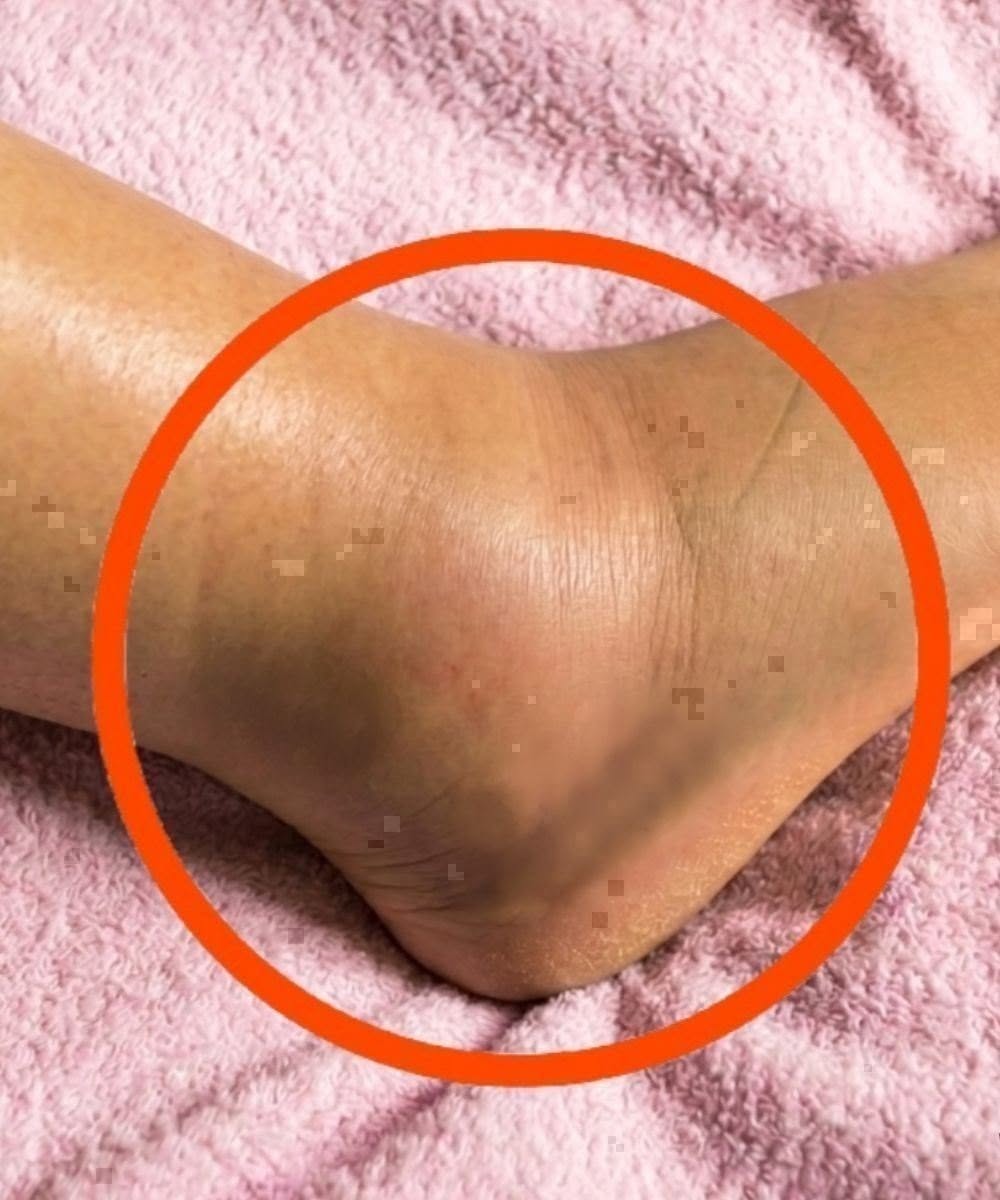
If You Notice Your Legs Are Swollen, That’s a Sign of Something Your Body May Be Trying to Tell You
Swollen legs are a common health concern that many people tend to ignore, especially when the swelling appears after a long day of standing, sitting, or walking. However, medical experts warn that persistent or unexplained swelling in the legs, ankles, or feet can sometimes be a sign of an underlying health problem that deserves attention.
Although leg swelling is not always a reason to panic, understanding its possible causes can help you recognize when it is time to seek medical advice.
What Causes Your Legs to Swell?
One of the most common reasons for swollen legs is fluid buildup in the body’s tissues, a condition known as edema. This can happen after spending long periods sitting or standing, consuming too much salt, or experiencing certain hormonal changes. In some cases, the swelling improves after resting and elevating the legs.
However, persistent swelling may also be associated with problems involving the veins, heart, kidneys, or liver. When these organs or the circulatory system are not functioning properly, fluid can accumulate in the lower parts of the body.
For example, chronic venous insufficiency occurs when the veins have difficulty returning blood from the legs to the heart. This can lead to swelling around the ankles, a feeling of heaviness, and changes in the skin.
Heart failure can also cause fluid to accumulate in the legs and feet. Other possible symptoms include shortness of breath, unusual fatigue, and difficulty breathing when lying down. Kidney and liver conditions may also contribute to fluid retention.
When Should You Be Concerned?
The pattern of swelling can sometimes provide important clues about its cause. Swelling in both legs that develops gradually may be associated with fluid retention, circulation problems, or certain medications. Swelling that appears suddenly in only one leg, particularly when accompanied by pain, redness, or warmth, may indicate a blood clot and requires urgent medical evaluation.
If you experience sudden leg swelling together with chest pain, difficulty breathing, fainting, or coughing up blood, seek emergency medical care immediately.
It is also important to consult a healthcare professional if the swelling persists, keeps returning, becomes more severe, or occurs alongside other unexplained symptoms.
Simple Steps That May Help
If your legs become mildly swollen after prolonged sitting or standing, several measures may help relieve the discomfort. Elevating your legs while resting, moving regularly, avoiding sitting in the same position for extended periods, and limiting excessive salt intake may be beneficial.
However, these measures do not replace medical evaluation when swelling is unexplained or persistent. Do not stop prescribed medications or begin taking diuretics without consulting a healthcare professional.
Listen to What Your Body Is Telling You
Swollen legs do not automatically mean that you have a serious illness. In many cases, the cause is temporary and manageable. Nevertheless, unexplained swelling should not be ignored, particularly when it develops suddenly or is accompanied by other symptoms.
Paying attention to changes in your body and seeking medical advice when necessary can help identify potential health problems early.
The most important thing to remember: leg swelling is a symptom, not a diagnosis. Its significance depends on how quickly it develops, whether one or both legs are affected, and what other symptoms you experience.