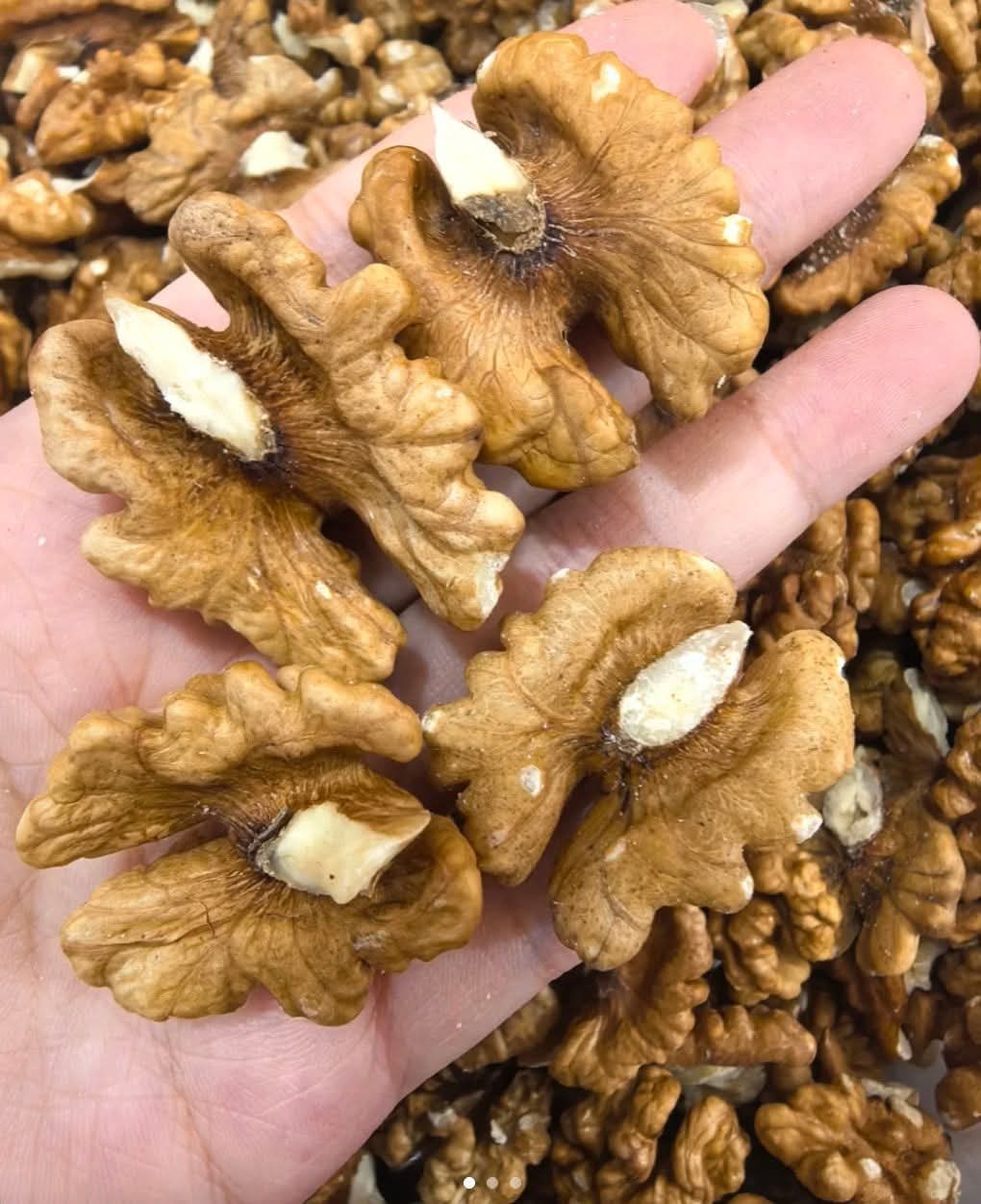
Walnuts don’t look powerful. They’re small, wrinkled, oddly shaped, and easy to overlook sitting beside flashier “superfoods.” But inside that rough shell is one of the most studied heart-supporting foods in modern nutrition — and researchers continue uncovering benefits that go far beyond cholesterol alone.
What makes walnuts especially unique is their concentration of plant-based omega-3 fatty acids, particularly alpha-linolenic acid (ALA). Unlike many snack foods that quietly fuel inflammation, walnuts appear to work in the opposite direction. Their healthy fats, antioxidants, fiber, and polyphenols help calm chronic inflammation that slowly damages blood vessels over time.
That matters because inflammation plays a major role in heart disease, stroke, diabetes, and even cognitive decline.
Studies suggest that regularly eating walnuts may help:
Lower LDL (“bad”) cholesterol
Improve blood vessel flexibility
Reduce oxidative stress
Support healthier blood pressure
Improve overall cardiovascular function
And the effect is cumulative.
Walnuts are not magic after one serving. Their real strength comes from consistency. A small handful daily over months or years may quietly reshape long-term cardiovascular health, especially when they replace heavily processed snacks, fried foods, or excessive saturated fats.
Interestingly, their benefits appear to extend beyond the heart.
Researchers have also explored links between walnut consumption and brain health. Because the brain itself is rich in fatty tissue, omega-3 fats play an important role in maintaining cognitive function. Some studies suggest walnuts may help support memory, focus, and healthier brain aging over time.
Even their appearance feels strangely symbolic — the nut itself resembles a tiny human brain.
Walnuts may also help with:
Blood sugar stability
Satiety and appetite control
Weight management
Gut health through beneficial fiber and plant compounds
One reason they support weight control despite being calorie-dense is that healthy fats and protein help people stay full longer. That often reduces mindless snacking later in the day.
Still, how people eat walnuts matters.
Raw or lightly toasted walnuts are generally best because excessive heat can damage some of their delicate healthy fats. Sugary candied walnuts or heavily salted processed versions lose many of the benefits that make them valuable in the first place.
Simple ways to include them daily include:
Sprinkling them over oatmeal or yogurt
Blending them into smoothies
Adding them to salads
Mixing them into whole-grain dishes
Eating a small handful as a snack
Portion size matters too. Walnuts are healthy, but they are energy-dense. Most nutrition experts recommend roughly a small handful per day rather than unlimited amounts.
And perhaps the most important thing about foods like walnuts is this:
Their power is quiet.
No dramatic overnight transformation happens after eating them once. But over years, consistent habits shape arteries, metabolism, inflammation levels, and long-term health outcomes far more than most people realize.
That’s why doctors increasingly focus not on miracle cures, but on ordinary daily choices repeated consistently.
Because sometimes prevention doesn’t arrive through major medical breakthroughs.
Sometimes it arrives through small decisions made quietly every day — like reaching for walnuts instead of processed snacks — while your body slowly benefits in ways you may not fully notice until years later.