Doctors Reveal What Happens to Your Body When You Eat Pumpkin Seeds — The Benefits May Surprise You!
Pumpkin seeds may be small, but they contain an impressive range of nutrients that support overall health. Often eaten as a snack or sprinkled over salads, these little seeds provide protein, healthy fats, fiber, magnesium, zinc, and other essential nutrients.
But what actually happens when you eat them regularly? Here are six potential health benefits worth knowing about.
1. They Support Heart Health
Pumpkin seeds contain unsaturated fats, magnesium, and antioxidants that contribute to a balanced diet. Magnesium plays an important role in normal muscle and nerve function, including the function of the heart.
Replacing snacks high in saturated fat with a moderate portion of unsalted pumpkin seeds can be one way to support healthy eating habits.
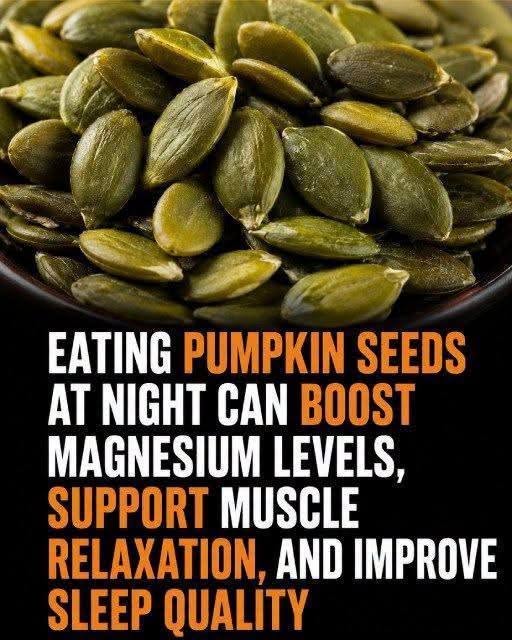
2. They Help Support Healthy Sleep
Pumpkin seeds contain magnesium and the amino acid tryptophan. Tryptophan is involved in the production of serotonin and melatonin, substances associated with sleep regulation.
However, eating pumpkin seeds is not a guaranteed treatment for insomnia. Maintaining a consistent sleep schedule and limiting caffeine late in the day remain important.
3. They Support Prostate Health
Pumpkin seeds contain zinc, which is essential for normal reproductive function. Their oil has also been studied for possible benefits involving urinary symptoms associated with an enlarged prostate.
Some research suggests potential benefits, but the evidence is not strong enough to conclude that pumpkin seeds prevent prostate disease or replace medical treatment.
Men experiencing frequent urination, difficulty urinating, or other persistent urinary symptoms should consult a healthcare professional.
4. They Help Maintain Healthy Blood Sugar Levels
Pumpkin seeds provide protein, fiber, and fats that can help make meals more satisfying. Their magnesium content also contributes to normal glucose metabolism.
Some studies have explored the relationship between pumpkin products and blood sugar regulation, but pumpkin seeds alone should not be considered a treatment for diabetes.
People managing diabetes should continue following their prescribed treatment and dietary advice.
5. They Support the Immune System
Pumpkin seeds are a source of zinc, a mineral necessary for normal immune function, wound healing, and cell growth.
Eating them as part of a varied diet can help supply the nutrients your body needs. However, consuming extra zinc when you already get enough does not necessarily strengthen immunity further.
6. They May Help Support Digestive Health
Whole pumpkin seeds contain fiber, which helps support regular bowel movements. Their protein and healthy fats can also help you feel satisfied after eating.
For best results, include them in a balanced diet with vegetables, fruit, whole grains, and enough water.
How Many Pumpkin Seeds Should You Eat?
A small handful—approximately 28 grams (one ounce)—is a practical serving for many adults. This provides useful nutrients without adding an excessive number of calories.
Choose unsalted varieties when possible, and be aware that pumpkin seeds are calorie-dense. People with seed allergies should avoid them.
The Bottom Line
Pumpkin seeds are a nutritious food that can contribute to heart health, normal immune function, digestive health, and overall nutritional balance.
But beware of sensational headlines claiming that they cure diseases or produce miraculous results. No single food can guarantee good health.
Sometimes, one of the simplest ways to improve your diet is to add a small serving of nutrient-rich foods such as pumpkin seeds to your everyday meals.
Health note: These are general nutrition facts, not a substitute for medical advice or treatment. The headline does not establish that doctors have made a specific new discovery about pumpkin seeds.