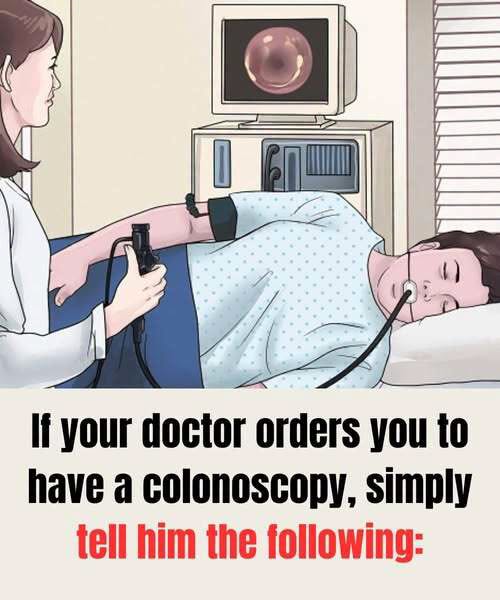
The thought of having a colonoscopy is enough to make many people feel anxious. Just hearing the name of the procedure can trigger worries about discomfort, embarrassment, or what the results might reveal. Because of those fears, many people postpone or avoid the test altogether. Yet doctors emphasize that a colonoscopy is one of the most effective tools available for detecting and preventing colorectal cancer, often identifying problems long before symptoms appear.
Colorectal cancer frequently develops slowly over many years. In its earliest stages, it often causes no pain, no noticeable changes, and no obvious warning signs. By the time symptoms such as persistent abdominal pain, rectal bleeding, unexplained weight loss, or changes in bowel habits appear, the disease may already be more advanced. This is why routine screening plays such an important role in protecting long-term health.
A colonoscopy allows a physician to examine the lining of the colon and rectum using a flexible instrument equipped with a small camera. The procedure can identify inflammation, ulcers, bleeding, polyps, and other abnormalities that may require further evaluation or treatment. Unlike many screening tests that simply detect potential problems, a colonoscopy can often address certain issues during the same procedure.
One of its greatest advantages is the ability to find and remove precancerous polyps before they develop into cancer. Most colorectal cancers begin as small growths that slowly change over time. Removing these polyps during a colonoscopy can significantly reduce the risk of cancer developing in the future, making the procedure both a diagnostic and preventive tool.
Many people are surprised to learn that the procedure itself is usually not the most difficult part. In many cases, patients receive medication that allows them to sleep comfortably or remain deeply relaxed throughout the examination. Most remember very little afterward and report that the test was much easier than they expected.
The preparation before the procedure is often considered the most challenging aspect. To allow the doctor a clear view of the colon, patients are typically asked to follow a temporary special diet and drink a prescribed bowel-cleansing solution the day before the exam. Although the preparation can be inconvenient, it is essential for obtaining accurate results and reducing the need to repeat the procedure.
Screening recommendations vary depending on age, family history, personal medical history, and individual risk factors. Many average-risk adults are advised to begin regular colorectal cancer screening around age 45, while those with a family history of colorectal cancer, inflammatory bowel disease, or certain inherited conditions may need to begin earlier or undergo screening more frequently. A healthcare provider can recommend the most appropriate screening schedule based on individual circumstances.
Delaying a recommended colonoscopy out of fear may allow polyps or early cancers to continue growing unnoticed. Because colorectal cancer often develops gradually, screening offers an opportunity to identify problems when they are most treatable—or to prevent them altogether before cancer ever develops.
If concerns about the procedure are causing hesitation, discussing them openly with a healthcare provider can be reassuring. Doctors and nurses can explain each step of the process, describe what to expect, discuss sedation options, and answer questions about preparation and recovery. Understanding how the procedure works often helps reduce anxiety and makes the experience feel much more manageable.
A colonoscopy is not simply a test performed to search for disease. It is an important preventive measure that has helped reduce deaths from colorectal cancer by detecting abnormalities early and removing precancerous growths before they become life-threatening. While no medical procedure is completely without inconvenience, a short period of preparation may provide lasting peace of mind and contribute to many years of better health.