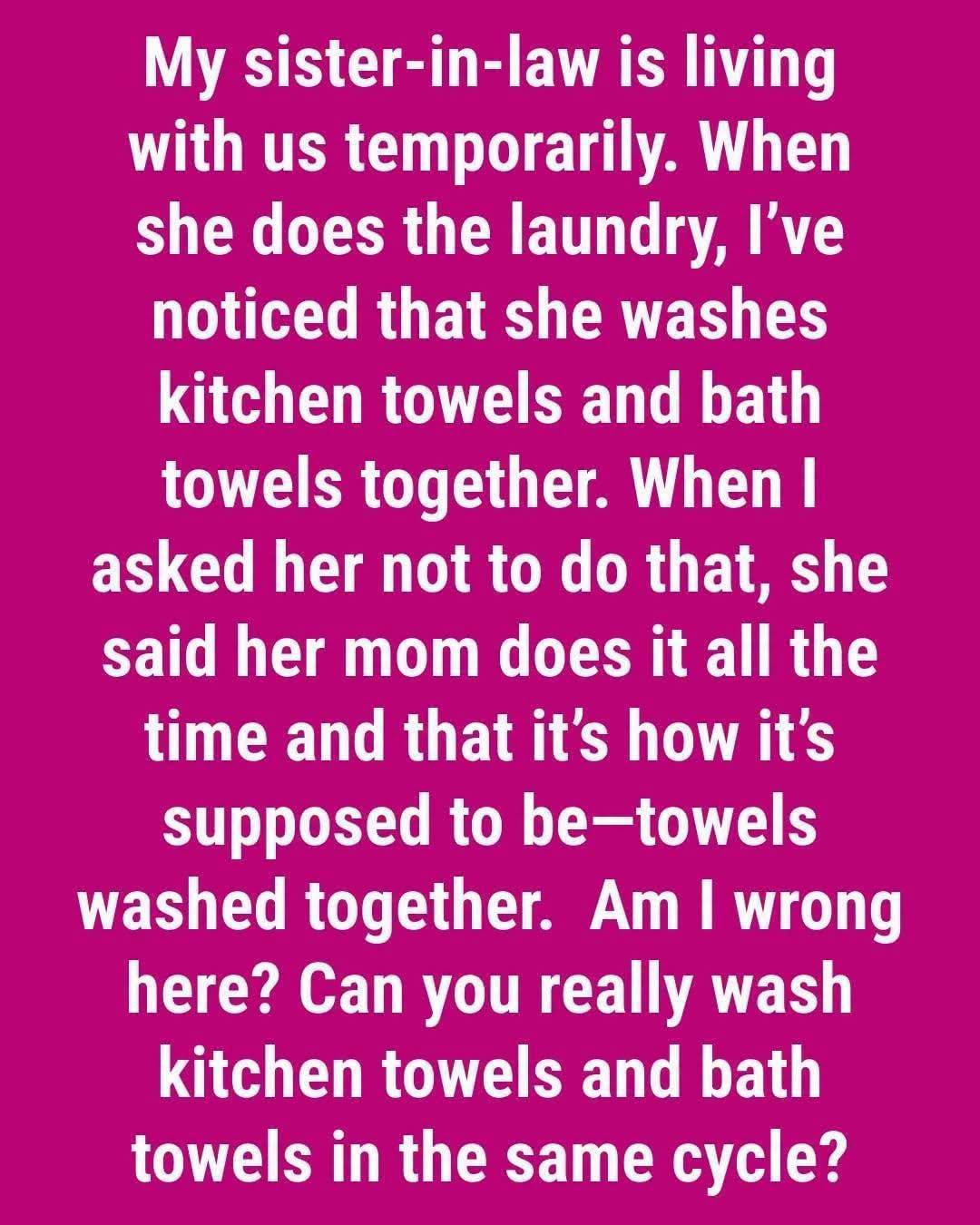
Can You Wash Kitchen Towels and Bath Towels Together? Here’s What You Should Know
Doing laundry may seem simple, but some everyday habits can make a bigger difference to household hygiene than you might expect. One common question is whether kitchen towels and bath towels can safely go into the same washing machine load.
At first glance, they might seem like similar items. Both are made to absorb moisture, both can be washed with detergent, and both are used regularly around the home. However, they often collect different types of dirt, bacteria, and organic material.
So, is washing them together a harmless way to save time, or is it better to keep them separate?
The answer depends on how the towels have been used, how dirty they are, and how you wash them.
Why Kitchen Towels and Bath Towels Are Different
Kitchen towels frequently come into contact with food residue, grease, spills, and hands that have handled raw ingredients. Even when a towel looks clean, it may contain microorganisms picked up during food preparation.
Bath towels, meanwhile, absorb water from the body and can accumulate skin cells, body oils, and moisture. If they remain damp for long periods, they may develop unpleasant odors and provide conditions that encourage microbial growth.
Neither type of towel is automatically dangerous, but their different uses make separating them a sensible hygiene habit.
Can You Wash Them Together?
Yes, in some circumstances—but washing them separately is generally the better choice for hygiene.
If both types of towels are lightly soiled, washed promptly with an appropriate detergent, and laundered at a temperature suitable for the fabrics, washing them together may be acceptable.
However, separate loads are preferable when kitchen towels have been used to wipe up raw meat juices, spills involving potentially contaminated food, or particularly dirty surfaces.
Keeping the towels separate also reduces the chance of transferring food residue, grease, and unpleasant odors to bath towels.
For households with someone who is ill, has a weakened immune system, or needs additional infection-control precautions, following specific healthcare guidance is especially important.
What Temperature Should You Use?
The correct washing temperature depends on the fabric, the care label, the degree of soiling, and the detergent being used.
30–40°C (86–104°F): Often suitable for ordinary laundry when the items are not heavily contaminated and the detergent is appropriate.
60°C (140°F): Suitable for many cotton towels when the care label permits it and a more thorough hygienic wash is desirable.
Higher temperatures: Use only when permitted by the manufacturer’s care instructions.
A hotter wash is not always necessary, and temperature alone does not guarantee disinfection. An appropriate detergent, sufficient washing time, and correct handling also matter.
If a kitchen towel has been exposed to raw meat juices or another significant contamination risk, follow appropriate food-safety guidance and use a suitable wash cycle.
Why Detergent and Drying Matter
Using enough detergent for the load helps remove soil, grease, and many microorganisms. Avoid overloading the washing machine, as crowded laundry may not be cleaned as effectively.
Drying is equally important.
Towels should be dried thoroughly after washing rather than left damp in the machine. Depending on the fabric and care instructions, a tumble dryer or a well-ventilated drying area can help.
Between washes, hang kitchen towels and bath towels separately so that they can dry properly.
How Often Should You Wash Each Type of Towel?
There is no single schedule that suits every household, but these general guidelines can help.
Kitchen towels: Change them frequently, often daily if they are used heavily. Wash them promptly after contact with raw meat juices, food spills, or other potentially contaminated substances.
Bath towels: Wash them regularly, commonly after three or four uses, provided they dry thoroughly between uses and are not visibly dirty or contaminated. Wash them sooner if they develop an odor or have been used while someone is ill.
Hand towels: Because multiple people may use them throughout the day, wash them frequently and replace them when they become damp or soiled.
Never share towels intended for personal use when doing so could spread an infection.
Common Laundry Mistakes to Avoid
A few simple mistakes can undermine otherwise good laundry habits.
Mixing heavily soiled kitchen towels with clean personal towels.
Leaving wet towels sitting in the washing machine for hours.
Using too much detergent, which may leave residue.
Overloading the machine.
Putting towels away before they are completely dry.
Ignoring fabric care labels when choosing a wash temperature.
Avoid using fabric softener excessively on towels, as buildup can reduce absorbency over time.
The Best Way to Keep Towels Clean
If you want a simple rule to follow, wash kitchen towels separately from bath towels whenever practical. Use an appropriate detergent, select a temperature suitable for the fabric and level of soiling, and dry everything thoroughly.
This approach is especially useful when kitchen towels have been exposed to food residue or when someone in the household is sick.
For lightly soiled laundry, washing the two types together is not automatically unsafe. Good washing practices matter more than treating every mixed load as a serious hygiene hazard.
The bottom line: You can sometimes wash kitchen towels and bath towels together, but separating them is a sensible everyday habit that helps manage different kinds of dirt and contamination. A clean towel is not just about how it smells or looks—it’s also about how well it has been washed and dried.
This article provides general household hygiene guidance. Follow fabric care labels and any specific infection-control or food-safety instructions that apply to your situation.