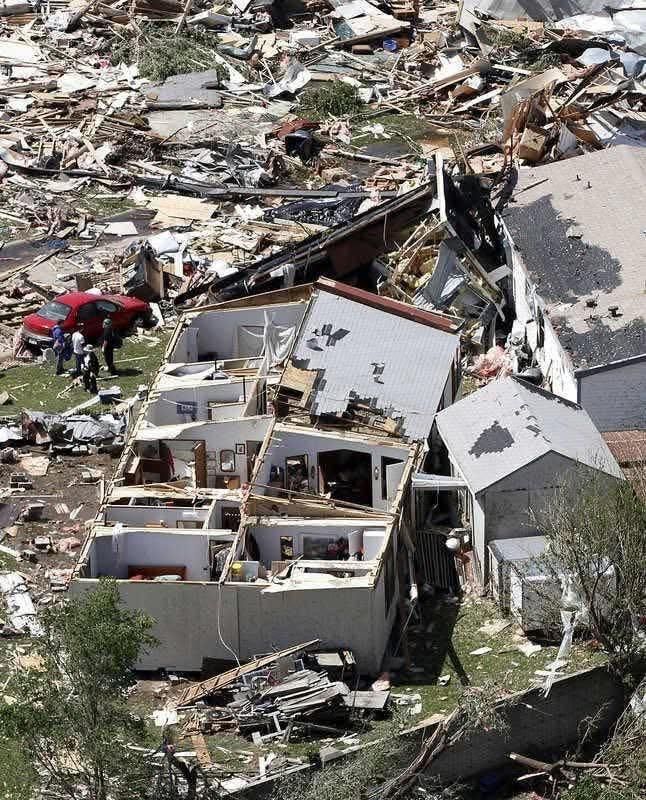
Thousands of families’ lives were drastically changed by the catastrophic and complex weather disaster that hit North America in the last few weeks of 2025. What started out as a string of powerful atmospheric rivers and mid-latitude storms quickly developed into a devastating weather phenomenon that affected regions of Canada and the Western and Central United States. The coziness of home quickly disappeared for those trapped in the path of these storms, to be replaced by the harsh, immediate struggle for survival.
A Historic Combination of Extremes
A number of high-impact weather events assaulted the area beginning in early December 2025 and getting worse until the end of the month. An estimated 5 trillion gallons of water were transported to Washington, Oregon, and British Columbia in a single week by a Category 5 atmospheric river in the Pacific Northwest, which is a plume of moisture from the Pacific Ocean. Over 100,000 people were forced to flee their homes due to the devastating flooding caused by this excessive precipitation. Levees failed, entire communities were drowned, and highways collapsed due to the pressure of swelling waters.
A strong winter storm complex hit the Western and Central United States at the same time. Record-breaking snowfall and hurricane-force wind gusts—up to 144 mph in some areas of Wyoming—were produced by this cyclone. The combination of severe cold, blizzard conditions, and strong winds made roads in the Central Plains dangerous. Whiteout conditions in Alberta, Canada, led to a huge collision involving about 100 cars. In the bitterly cold mid-December, hundreds of thousands of people were left without energy when power grids collapsed throughout the impacted areas due to wind and ice.
The Toll of Humans
Families experienced an immediate and terrifying impact. Residents were forced to escape with little more than what they could take as homes were destroyed by strong winds or flooded. Even individuals who stayed in their villages had to fight every day for basic supplies due to the damage of utilities, roads, and bridges. Rescue workers put up endless effort, negotiating shaky, damaged buildings to get to people stranded by snowdrifts or rising waters, but the magnitude of the catastrophe exceeded their capacity.
As displaced families arrived in search of warmth and protection, shelters soon filled up. Many people remained vulnerable despite the efforts of volunteers and community members to provide blankets, clean water, and medical assistance. The crisis carried an equally heavy emotional burden. In addition to battling the loss of their houses, personal things, and the tenuous sense of normalcy they had fought years to establish, parents found it difficult to console their frightened children.
Emerging from the Ruins
The long-term reality of the devastation started to dawn as the waters subsided and the snow melted. Rebuilding roads, utilities, and public infrastructure has proven to be a difficult multi-state coordination task requiring substantial federal support. Nowadays, a lot of homeowners have to deal with the difficult and uncertain process of rebuilding or determining whether they have to start over somewhere else.
These communities have demonstrated incredible resilience in spite of the severe psychological and physical damage caused by these tragedies. Strangers have banded together to support individuals who lost everything, and neighbors have reached out to one another. The collective resolve to rebuild is a monument to the strength of those impacted, even though the road to recovery will be measured in years rather than weeks. These communities are gradually rebuilding the security and hope that were lost in the December storms, despite the extreme danger and loss they have experienced.