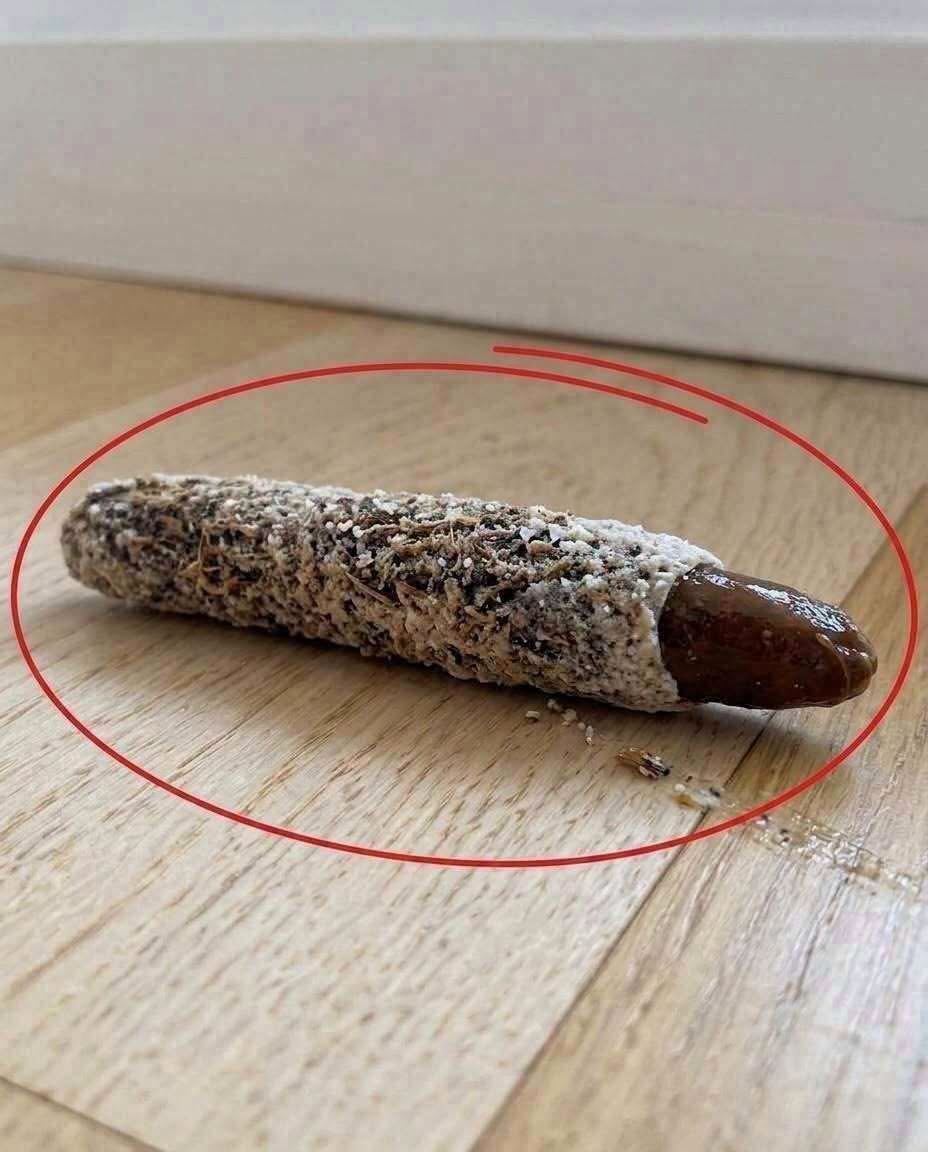
Hidden Life in Dust Tubes: The Tiny Creatures Living Inside Your Walls
At first glance, they look like nothing more than small tubes of dust clinging to walls, corners, or ceilings. But take a closer look, and these strange formations may reveal a surprising secret: they could be tiny protective shelters built by insects living quietly inside your home.
Known as dust tubes or silken cases, these unusual structures can sometimes be associated with case-bearing moth larvae, household insects that use fibers, dust, and other materials to create protective coverings for their bodies.
What appears to be an ordinary patch of dust may actually be a tiny sign of life hiding in plain sight.
What Are Dust Tubes?
Some insect larvae create small, portable cases using materials collected from their surroundings. Depending on the species, these materials may include dust, hair, textile fibers, and fragments of other debris.
Case-bearing moth larvae, for example, construct narrow, elongated coverings that help protect their soft bodies as they move around.
These cases can resemble tiny grains of dirt, small tubes, or pieces of lint stuck to a wall. Because their appearance blends in with household dust, they can easily go unnoticed for weeks.
However, not every dusty tube-shaped structure contains an insect. The precise identification depends on its shape, location, and other physical characteristics.
Why Do These Tiny Creatures Live Indoors?
Homes provide many of the conditions that certain insects need to survive.
Dark corners, closets, storage areas, and spaces behind furniture can offer shelter from disturbance. Some moth larvae feed on natural fibers, hair, and other organic materials that accumulate indoors.
Carpets, upholstered furniture, stored clothing, and dusty corners may provide suitable food sources for certain species.
Other insects create structures for entirely different reasons, so identifying the organism is important before deciding how to deal with it.
Are Dust Tubes Dangerous?
In many cases, insects associated with small household cases or dusty coverings are more of a nuisance than a serious threat to people.
However, some fabric-feeding moth larvae can damage clothing, carpets, and other materials containing animal fibers. Their presence may indicate that an area needs more thorough cleaning or that stored textiles should be inspected.
The structures themselves are not enough to establish whether an infestation exists.
If you discover several similar cases appearing repeatedly, it may be worth checking nearby closets, rugs, and other undisturbed areas for additional signs of insect activity.
How Can You Prevent Them From Appearing?
A few simple household habits can help reduce the conditions that attract certain indoor insects.
Vacuum corners, baseboards, carpets, and areas beneath furniture regularly.
Remove accumulated hair, lint, and dust.
Wash or dry-clean stored clothing when appropriate.
Keep closets and storage spaces clean and dry.
Inspect natural-fiber fabrics for holes or other signs of damage.
If the structures continue to appear or you notice damage to clothing and furnishings, consider contacting a qualified pest-control professional for identification and advice.
A Tiny Mystery Hiding in Plain Sight
The next time you notice a strange little tube made of dust on your wall, resist the temptation to assume it is simply dirt.
It may be an insect’s protective case, a remnant of an old nest, or another type of household formation. A closer examination can reveal clues about what created it and why it appeared there.
Sometimes, the smallest and most overlooked things in our homes conceal an entire world of hidden activity.
Note: This article is a general informational feature based on the headline. The exact organism cannot be identified without a photograph or additional details about the structures.