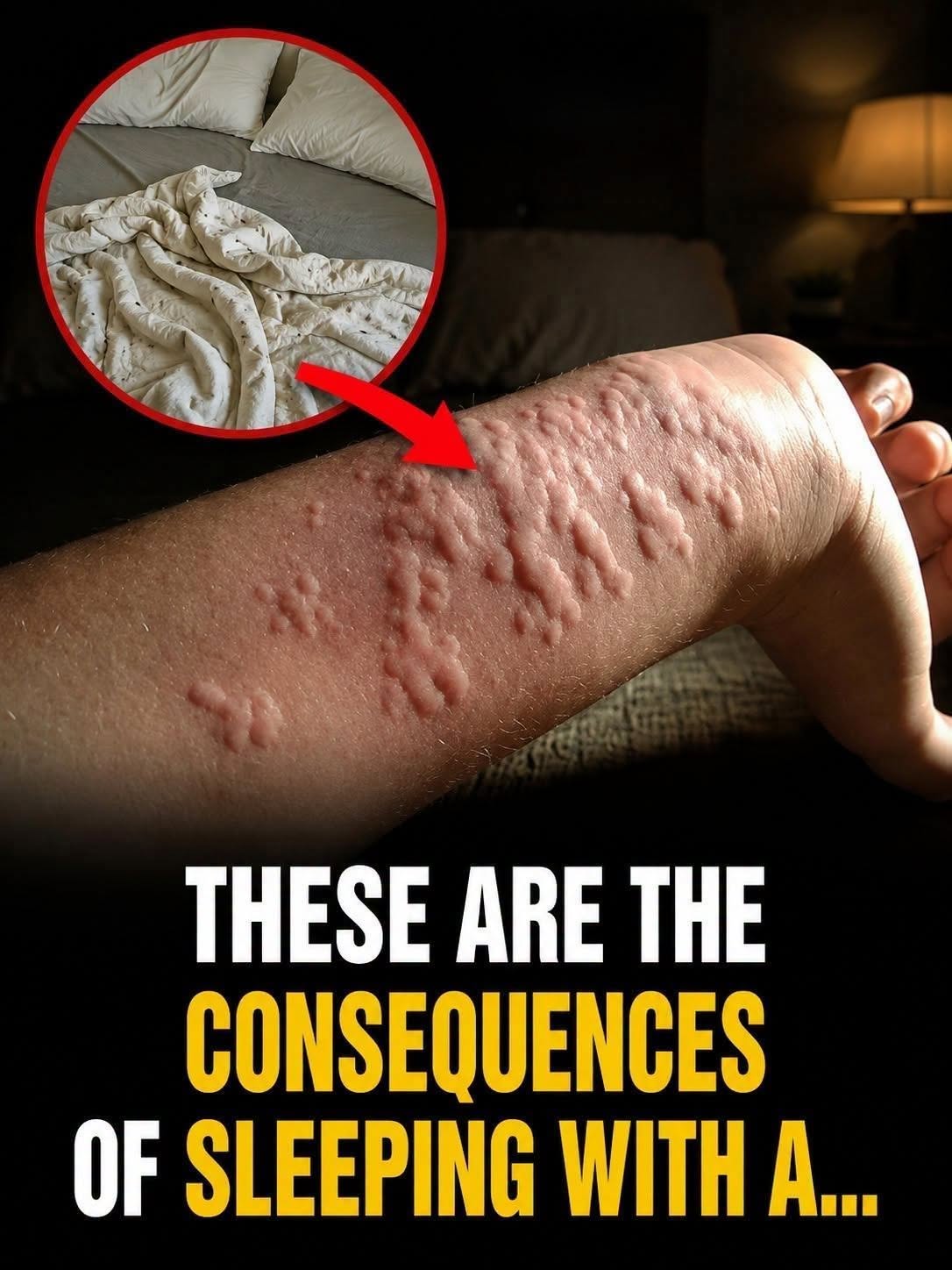
Waking Up With Itchy Bumps? Your Bedding Could Be Hiding an Unwelcome Guest
Do you ever go to bed with clear skin, only to wake up with itchy red bumps on your arms, legs, or other parts of your body? You might assume it’s an allergy, dry skin, or a reaction to something you ate. But sometimes, the explanation could be hiding much closer than you think.
Your mattress, pillows, sheets, and bed frame can provide shelter for tiny pests that are difficult to spot with the naked eye. Some may bite while you sleep, leaving itchy marks that you notice the following morning.
However, not every itchy bump is caused by an insect. Understanding the possible causes can help you avoid unnecessary worry and choose the right solution.
1. Bedbugs: The Unwelcome Guests That Hide in Mattresses
<AsyncImageGroup query={[“bed bug adult insect close up on mattress seam”,”bed bug signs tiny dark spots mattress seam”,”bed bug hiding in bed frame crevice”]} aspectRatio=”5:4″ layout=”bento” numPerQuery={1}/>
Bedbugs are small, flat, reddish-brown insects that feed on human blood. They are most active at night and can hide in mattress seams, bed frames, headboards, and cracks in nearby furniture.
You may not notice them immediately because they are good at staying out of sight.
Possible signs of bedbugs include:
- Itchy red bumps that appear after sleeping.
- Small dark spots on mattress seams or bedding.
- Tiny bloodstains on sheets.
- Shed insect skins or visible bugs around the bed frame.
Some people develop itchy skin reactions after being bitten, while others show little or no visible reaction.
Bedbug bites may appear in clusters or lines, but this pattern is not reliable enough to identify them on its own.
Important: You cannot confirm a bedbug infestation simply by looking at your skin. Look for physical evidence around the bed or consult a pest-control professional.
2. Dust Mites: A Different Kind of Bedroom Problem
<AsyncImage query=”house dust mite microscopic close up scientific illustration” aspectRatio=”5:4″ width=”100%”/>
Dust mites are microscopic organisms commonly found in household dust, mattresses, upholstered furniture, and bedding.
Unlike bedbugs, dust mites do not bite humans.
Instead, proteins in their waste and body fragments can trigger allergic reactions in susceptible people. These reactions may include:
- Sneezing and a runny or blocked nose.
- Itchy, watery eyes.
- Coughing or worsening asthma symptoms.
- Eczema flare-ups or itchy skin in people who are susceptible.
If you wake up congested, sneeze repeatedly in bed, or notice that your eczema becomes worse overnight, dust-mite allergens could be contributing.
Regularly washing bedding, reducing excess humidity, and using allergen-resistant mattress and pillow covers may help reduce exposure.
3. Fleas: Small Insects That Can Follow Pets Indoors
<AsyncImage query=”adult flea insect macro photograph on light background” aspectRatio=”5:4″ width=”100%”/>
If you have a dog or cat, fleas are another possibility.
These tiny insects can enter the home on pets and may bite people, particularly around the ankles and lower legs.
Flea bites often appear as small, intensely itchy bumps, sometimes grouped together.
Other clues include:
- Pets scratching or biting their skin more than usual.
- Fleas or tiny dark particles in your pet’s bedding.
- Itchy bumps concentrated around the lower legs.
If you suspect fleas, check your pets and their sleeping areas. Use veterinarian-approved flea treatment and follow appropriate instructions for cleaning the home.
Treating only the mattress may not solve the problem if fleas are also living in carpets, furniture, or pet bedding.
4. Could the Bumps Be Caused by Something Other Than Pests?
Absolutely.
Several common skin conditions can cause itching or bumps that seem worse in the morning.
Contact dermatitis
Laundry detergent, fabric softeners, fragrances, or certain bedding materials can irritate the skin or trigger an allergic reaction.
The affected areas may be red, itchy, dry, or inflamed where the skin contacts the fabric.
Eczema
People with eczema may experience increased itching at night because of warmth, sweating, dry skin, or irritation from bedding.
Hives
Hives are raised, itchy welts that can appear suddenly and change location over hours. They may be triggered by infections, medications, environmental exposures, or other factors.
Scabies
Scabies is caused by microscopic mites that burrow into the skin. Intense itching, often worse at night, is a common symptom.
Small bumps or thin, irregular burrow-like lines may appear between the fingers, around the wrists, or in other areas of the body. Close contacts may also develop symptoms.
Scabies requires appropriate medical treatment; simply washing the sheets will not eliminate an infestation on the skin.
5. How to Check Your Bed for Unwanted Visitors
If you repeatedly wake up with unexplained itchy bumps, inspect your sleeping area before assuming you have an infestation.
<AsyncImageGroup query={[“inspecting mattress piping seam for bedbugs flashlight”,”washing bed sheets laundry washing machine”,”vacuuming mattress seam home cleaning”]} aspectRatio=”5:4″ layout=”carousel” numPerQuery={1}/>
Follow these practical steps:
- Inspect mattress seams. Use a flashlight to check stitching, folds, labels, and corners.
- Examine the bed frame. Look around joints, screw holes, headboards, and nearby cracks.
- Check bedding. Look for unusual dark spots, bloodstains, shed skins, or insects.
- Wash bedding appropriately. Follow fabric-care instructions. Hot washing and high-heat drying, when suitable for the fabric, can help eliminate bedbugs and certain other pests.
- Vacuum carefully. Pay attention to mattress seams, bed-frame crevices, and nearby floor edges. Dispose of vacuum contents securely.
- Monitor the symptoms. Record when new bumps appear and whether anyone else in the household is affected.
If you find evidence of bedbugs, consider contacting a qualified pest-control professional. Avoid spraying insecticides directly onto bedding unless the product label explicitly permits that use.
6. How Can You Reduce the Risk of Itchy Bumps?
You can take several steps to make your sleeping environment more comfortable and reduce exposure to common irritants.
- Wash sheets and pillowcases regularly.
- Keep your mattress and surrounding area clean.
- Use fragrance-free laundry products if you suspect irritation.
- Avoid excessive heat and sweating during sleep.
- Keep pets protected against fleas with veterinarian-recommended products.
- Consider allergen-resistant bedding covers if dust-mite allergy is suspected.
- Inspect secondhand mattresses and furniture carefully before bringing them into your home.
If symptoms continue despite these measures, a healthcare professional can help determine whether you are dealing with an allergy, a skin condition, or an infestation.
7. When Should You See a Doctor?
Most itchy bumps are not medical emergencies, but certain symptoms deserve attention.
Seek medical advice if:
- The itching persists or repeatedly returns.
- The rash spreads or becomes increasingly painful.
- You notice pus, warmth, swelling, or other signs of infection.
- Several household members develop unexplained itching.
- You suspect scabies or cannot identify the cause of the rash.
Seek emergency care if you develop difficulty breathing or swelling of the lips, tongue, or throat, as these can be signs of a severe allergic reaction.
Remember that the appearance of a rash alone cannot reliably distinguish insect bites from eczema, hives, or other skin conditions.
The Bottom Line
Waking up with itchy bumps can be frustrating, especially when the cause is unclear.
Bedbugs and fleas can bite during the night, while dust mites may trigger allergies without biting at all. Skin conditions such as eczema, contact dermatitis, hives, and scabies can also cause nighttime itching.
The best first step is to examine both your skin and your sleeping environment rather than assuming every bump comes from an insect.
With careful inspection, appropriate cleaning, and medical advice when needed, you can identify the cause and take steps toward more comfortable, uninterrupted sleep.
Medical disclaimer: This article is for general educational purposes and does not replace professional medical advice, diagnosis, or treatment. A clinician can assess persistent or unexplained skin symptoms and recommend appropriate care.