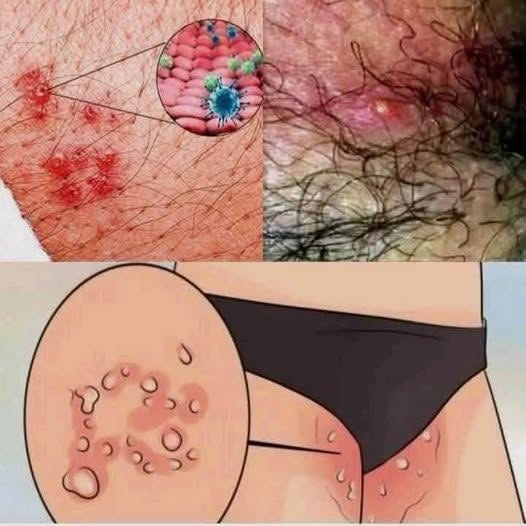
These Are the Warning Signs Men Should Never Ignore
Some health problems develop quietly, with symptoms that are easy to dismiss as stress, exhaustion, or simply getting older. But recognizing unusual changes early can make a significant difference. Experts encourage men to pay attention to persistent symptoms and seek medical advice rather than waiting for a problem to become serious.
Many men delay medical appointments because they feel busy, assume their symptoms will disappear, or find it difficult to talk about their health. Unfortunately, some conditions are easier to treat when identified early.
From unexplained weight loss to changes in urination, here are important warning signs men should never ignore.
1. Chest Pain or Unexplained Shortness of Breath
Chest discomfort can have several causes, including muscle strain, acid reflux, and heart or lung conditions.
However, pressure, squeezing, or pain in the chest—especially when accompanied by shortness of breath, sweating, nausea, or discomfort in the arm, back, neck, or jaw—can indicate a heart attack.
Call emergency services immediately if you experience possible heart attack symptoms. Do not drive yourself to the hospital.
Shortness of breath that is sudden, severe, or accompanied by fainting or chest pain also requires emergency assessment.
2. Changes in Urination
Frequent urination, a weak urine stream, difficulty starting, or repeatedly waking at night to urinate can occur for several reasons.
Possible causes include an enlarged prostate, urinary tract problems, diabetes, or certain medications.
These symptoms do not automatically mean prostate cancer. Nevertheless, persistent changes should be evaluated by a healthcare professional, particularly if they interfere with sleep or daily activities.
Seek urgent medical care if you cannot urinate at all, especially if you also have severe lower abdominal pain.
Blood in the urine should always be assessed promptly, even if it appears only once or causes no pain.
3. Unexplained Weight Loss
Losing weight without intentionally changing your diet or activity level can sometimes signal an underlying health problem.
Potential causes include thyroid disorders, diabetes, digestive conditions, depression, and certain cancers.
A commonly used clinical threshold for concern is losing more than 5% of body weight over six to twelve months without trying.
For example, a man who weighs 200 pounds and loses more than 10 pounds unintentionally should arrange a medical evaluation.
Weight loss alone does not establish a diagnosis, but it should not be dismissed if it continues without an explanation.
4. Persistent Fatigue or Unusual Weakness
Feeling tired after a demanding day is normal. Persistent exhaustion that does not improve with adequate rest is different.
Possible causes include anemia, sleep apnea, thyroid disorders, diabetes, depression, and heart conditions.
Men who snore loudly, wake up gasping, or remain sleepy throughout the day may have sleep apnea, which can affect both quality of life and cardiovascular health.
If fatigue lasts for several weeks, worsens, or occurs alongside other unexplained symptoms, arrange a medical appointment.
Sudden weakness affecting one side of the body, especially with facial drooping or speech difficulty, is an emergency because it may indicate a stroke.
5. Blood in the Stool or Persistent Digestive Changes
Blood in the stool may result from hemorrhoids or anal fissures, but it can also indicate intestinal inflammation, gastrointestinal bleeding, or colorectal cancer.
Other symptoms that deserve medical attention include:
- A persistent change in bowel habits.
- Ongoing abdominal pain or bloating.
- Unexplained weight loss.
- A continuing feeling that the bowel has not emptied completely.
- Unexplained iron-deficiency anemia.
Do not assume rectal bleeding is harmless simply because you have experienced hemorrhoids before.
Heavy bleeding, black tarry stools accompanied by weakness, or bleeding with fainting requires emergency medical assessment.
Men should also follow recommended colorectal cancer screening guidelines, even when they feel healthy.
6. Erectile Dysfunction That Keeps Happening
Occasional difficulty achieving or maintaining an erection is common and may be related to stress, fatigue, alcohol, or relationship concerns.
Persistent erectile dysfunction, however, can sometimes be associated with diabetes, high blood pressure, vascular disease, hormonal problems, or medication side effects.
Because erections depend partly on healthy blood flow, recurring difficulties may offer an opportunity to identify cardiovascular risk factors.
Men experiencing persistent erectile dysfunction should speak with a healthcare professional rather than relying on unregulated supplements or purchasing prescription medicines from unreliable sources.
The symptom is common, and effective treatments are available once the underlying factors have been assessed.
7. A Lump or Change in the Testicles
A new lump, swelling, a feeling of heaviness, or a change in the size or shape of a testicle should be examined by a healthcare professional.
Many testicular lumps are caused by noncancerous conditions, but testicular cancer can also present this way, particularly in younger and middle-aged men.
Sudden, severe pain in a testicle is a medical emergency. It may indicate testicular torsion, in which the testicle’s blood supply becomes restricted. Treatment must be prompt to give the best chance of saving the testicle.
Do not wait for a painful lump to develop before seeking care.
8. A Persistent Cough or Coughing Up Blood
A cough that lasts for several weeks may be caused by an infection, asthma, reflux, smoking-related disease, or other conditions.
However, a persistent cough accompanied by unexplained weight loss, chest pain, worsening breathlessness, or coughing up blood needs medical assessment.
Coughing up blood should never be ignored. Seek emergency help if there is a substantial amount of blood, severe breathing difficulty, or chest pain.
People who smoke or previously smoked should discuss their lung cancer risk and eligibility for screening with a healthcare professional.
9. A New or Changing Mole
Skin cancer can affect anyone, regardless of skin tone.
Pay attention to moles or skin spots that change in size, shape, or color, or that begin to bleed, itch persistently, or fail to heal.
One useful guide is the ABCDE rule:
- A — Asymmetry: One half looks different from the other.
- B — Border: The edges are irregular or poorly defined.
- C — Color: The spot has several colors or uneven coloring.
- D — Diameter: The spot is larger than about 6 millimeters, although melanomas can be smaller.
- E — Evolving: The spot changes over time.
Not every changing mole is cancerous, but a suspicious spot deserves professional evaluation.
10. Severe Headaches or Sudden Neurological Changes
Most headaches are not caused by dangerous conditions. Nevertheless, certain patterns require immediate attention.
Seek emergency care for a sudden, extremely severe headache, especially one that reaches maximum intensity within seconds, or a headache accompanied by confusion, fainting, seizures, fever with a stiff neck, or new neurological symptoms.
Other stroke warning signs include sudden facial drooping, weakness or numbness on one side, difficulty speaking, loss of vision, or trouble walking.
Call emergency services immediately if stroke is suspected—even if symptoms improve after a few minutes. Early treatment can be lifesaving.
11. Persistent Thirst and Frequent Urination
Being unusually thirsty all the time, urinating frequently, experiencing blurred vision, or losing weight without trying can be signs of diabetes.
Other possible symptoms include increased hunger, slow-healing wounds, and recurring infections.
Diabetes can develop gradually, and some people have few noticeable symptoms. Blood tests can help establish whether blood glucose levels are elevated.
Seek urgent medical attention if excessive thirst and urination occur alongside vomiting, abdominal pain, deep or rapid breathing, severe weakness, or confusion, as these may indicate a dangerous metabolic emergency.
12. Depression, Anxiety, or Sudden Changes in Mood
Men’s mental health deserves the same attention as physical health.
Persistent sadness, loss of interest in activities, irritability, sleep disturbances, increased alcohol use, social withdrawal, or feelings of hopelessness can be signs of depression or another mental health condition.
Not everyone experiences depression in the same way, and symptoms do not always involve obvious sadness.
If these changes persist or interfere with work, relationships, or daily life, seek support from a healthcare professional.
If you or someone else is in immediate danger or at risk of suicide, contact emergency services or a local crisis support service.
Asking for help is a sign of taking your health seriously—not a sign of weakness.
When Should Men See a Doctor?
Not every unusual symptom indicates a serious illness. The important factors include its severity, duration, whether it is worsening, and whether other symptoms appear alongside it.
A practical approach is to:
- Arrange a medical appointment for persistent or unexplained changes.
- Seek prompt assessment for new lumps, blood in urine or stool, or unexplained weight loss.
- Keep up with recommended blood pressure, cholesterol, diabetes, and cancer screening.
- Discuss family history, smoking, alcohol use, and other risk factors with your healthcare professional.
- Seek emergency help for chest pain suggestive of a heart attack, sudden neurological changes, severe breathing difficulty, or other acute warning signs.
Men should not wait until symptoms become unbearable before seeking medical advice.
The Bottom Line
Your body often gives you clues when something is wrong, but symptoms alone cannot tell you exactly what is happening.
Persistent fatigue, unexplained weight loss, urinary changes, erectile dysfunction, unusual bleeding, and new lumps all deserve attention. Some causes are relatively minor, while others require early treatment.
The best response is neither panic nor denial. It is to recognize meaningful changes, seek appropriate medical advice, and follow through with recommended screening and treatment.
Taking symptoms seriously today can help protect your health in the years ahead.
Medical disclaimer: This article is for general educational purposes only and does not replace individualized medical advice, diagnosis, or treatment. If you experience severe or sudden symptoms, seek emergency medical care.