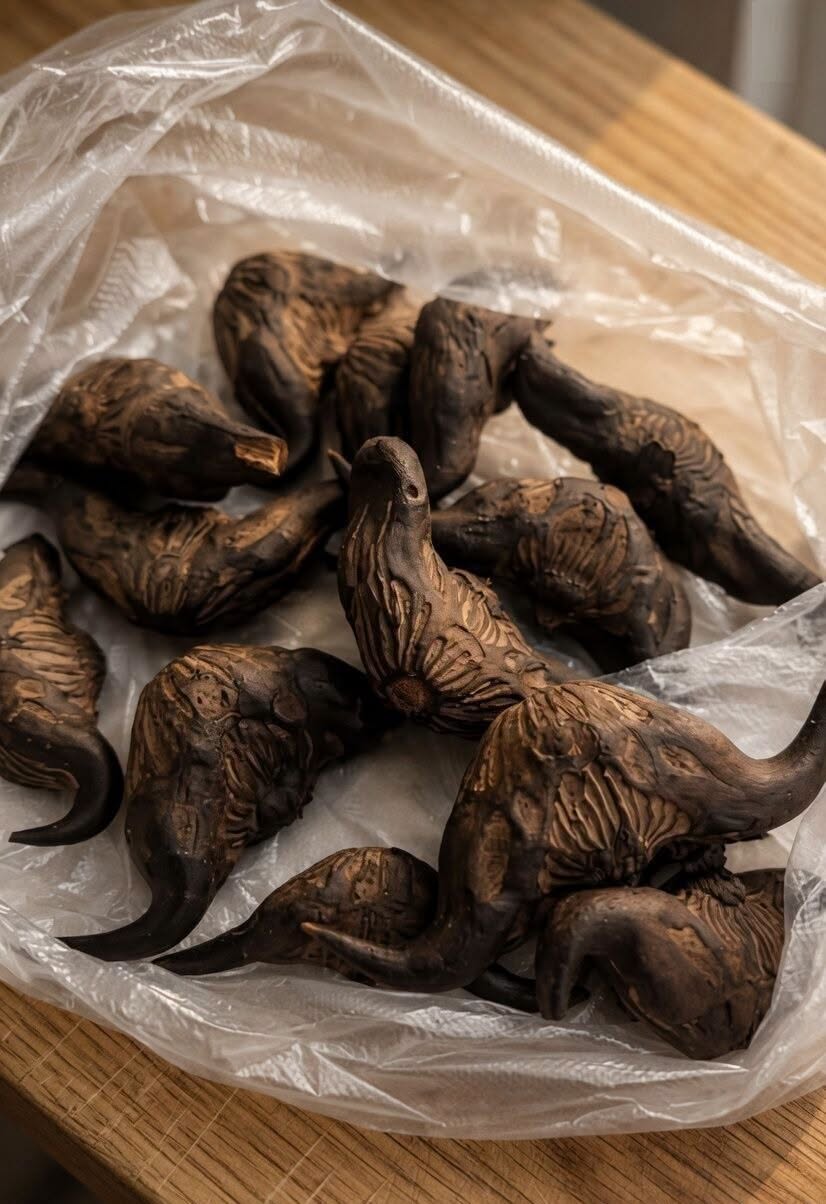
Known as water caltrops, bat nuts, or singhada, these unusual fruits grow on aquatic plants in shallow freshwater habitats across parts of Asia. Their intimidating shells protect pale, starchy kernels that become tender and mildly nutty when cooked. Long woven into regional food traditions, they can be boiled or roasted, while their flour appears in sweets and other preparations. Drying helps preserve the harvest, allowing an otherwise seasonal ingredient to remain useful well beyond its gathering season.
Their appeal goes beyond appearance: the edible kernels provide carbohydrates, fiber, and minerals, although nutritional content varies with preparation. Traditional medicine has attributed additional benefits to water caltrops, but those uses should not be mistaken for proven treatments. Buy them from a reputable food seller and cook them thoroughly rather than eating them raw. Behind that startling exterior is something wonderfully ordinary: a nourishing ingredient connecting kitchens, generations, and the waters that sustain them.