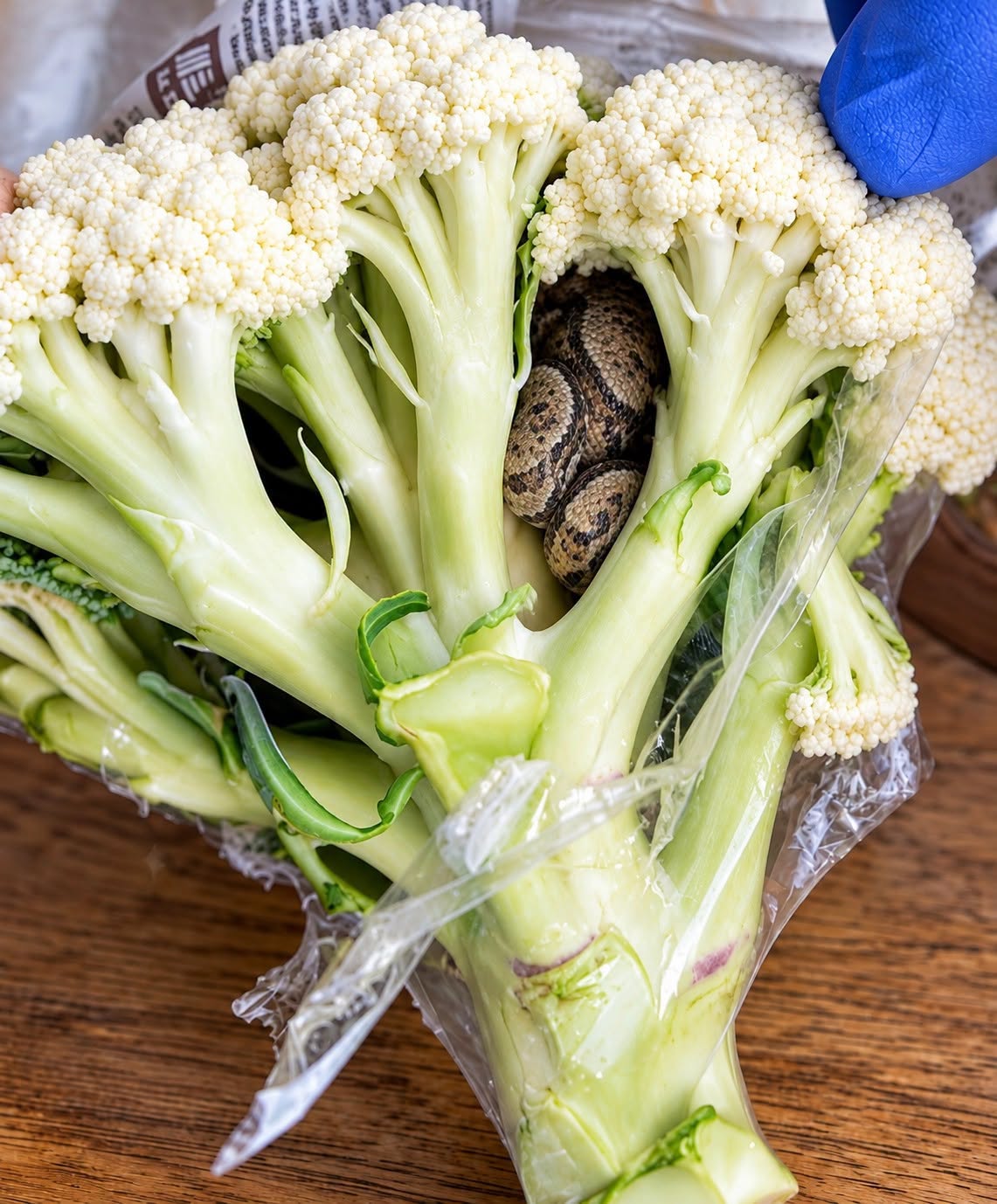
According to the account, identifying the snake provided an important answer to the most immediate concern: what kind of animal had been discovered? Ladder snakes are native to parts of southwestern Europe and are non-venomous, making the identification a reassuring outcome after the initial shock. Although the presence of any unexpected snake in a bag of vegetables would understandably frighten a shopper, learning that the animal was not venomous helped put the incident into perspective. The identification also allowed specialists to better understand the animal and consider how it might have reached the package in the first place.
However, some details remained unclear. The account did not establish precisely where the snake entered the packaging, how long it had been concealed among the vegetables, or why nobody noticed it during the various stages of handling and transportation. Without a documented explanation of the supply chain, it is impossible to say exactly how the animal made its way from its natural habitat to the supermarket shelf. These unanswered questions are part of what made the incident so unusual and attracted attention beyond the immediate circumstances of the discovery.
One possible explanation begins in the agricultural fields where vegetables are grown and harvested. Farms are living environments in which crops grow alongside insects, birds, reptiles, and other wildlife. Workers harvesting produce may occasionally encounter small animals among the plants, and some creatures can remain hidden while crops are collected and prepared for distribution. Although agricultural processes include handling and inspection, it is not always possible to identify every small animal or organism concealed within natural vegetation.
Broccoli may offer particular hiding places because of its tightly packed florets and complex structure. Small creatures can sometimes remain concealed among the dense clusters of plant material, especially when the produce is harvested and packaged quickly. If an animal enters a batch of vegetables before packaging, it may potentially remain unnoticed as the produce moves through storage, transportation, and retail distribution. This provides one possible explanation for how an unexpected animal might reach a consumer, although it does not establish that this was definitely what happened in this case.
It is important, however, not to confuse a possible explanation with a confirmed account of the event. The available description does not demonstrate exactly how the ladder snake entered the package, and the incident should not be taken as evidence that snakes are commonly found in supermarket vegetables. Such discoveries remain extraordinarily unusual. Most fresh produce reaches consumers without incidents of this kind, and the presence of a snake in a package should be understood as an exceptional occurrence rather than a normal feature of the food supply.
The story nevertheless attracted attention because it transformed an everyday activity into something completely unexpected. Buying vegetables is generally a routine part of shopping, and customers rarely consider the possibility of encountering wildlife inside a sealed package. The contrast between an ordinary food purchase and the discovery of a live snake made the incident particularly memorable. It also demonstrated how closely agricultural production is connected to the natural environments in which crops are grown.
For consumers, the incident offers a reminder that fresh food originates in living landscapes where wildlife naturally exists. Produce is harvested from fields and passes through several stages before reaching supermarket shelves, and occasional unusual encounters can occur along that journey. This does not mean shoppers should become fearful of fresh vegetables or assume that similar incidents are likely to happen to them. Instead, it highlights the importance of sensible food handling and paying attention to anything unusual when opening produce packaging.
If someone does discover an unexpected animal in a food package, the sensible response is to avoid handling it unnecessarily and contact appropriate professionals or local animal services for guidance. In the case described, the snake was taken to Dudley Zoo, where specialists could identify it and assess the situation. Having trained personnel examine an unfamiliar animal is safer than attempting to capture or identify it without the necessary knowledge.
Ultimately, the young ladder snake’s discovery turned an ordinary bag of broccoli into an unusual story that captured public curiosity. Its reported identification as a non-venomous species provided reassurance, while the precise circumstances of its journey into the package remained uncertain. The incident serves as an intriguing reminder that the natural world can occasionally appear in the most unexpected places. But beyond the initial surprise, it offers no reason for shoppers to fear their next bag of vegetables. It is simply an extraordinary encounter with wildlife that, for a brief moment, brought the agricultural world and the supermarket aisle together in a way few people would ever anticipate.