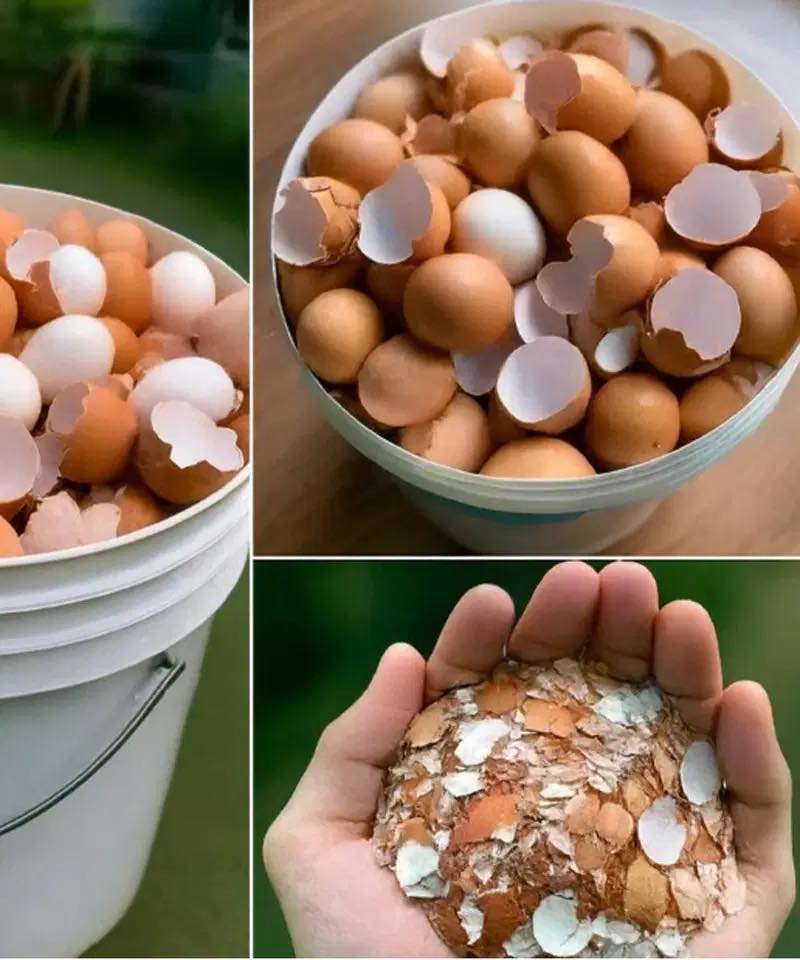
Generations trusted it. Families passed the advice from kitchen to kitchen as if it were sacred knowledge: boil the eggshells, save the water, crush the remains into powder, and somehow health would follow. Grandparents swore it strengthened bones, healed weakness, and protected the body from illness. For decades, people treated eggshell “medicine” as one of those simple old remedies modern science had supposedly forgotten. But the truth is far less magical — and far more interesting — than the myths ever suggested.
Science has finally caught up with tradition, and what it reveals is both humbling and eye-opening. Eggshells are not miracle cures. They cannot detoxify the body, erase disease, supercharge immunity, or replace proper medical treatment no matter how many comforting stories continue circulating online. Much of the legend surrounding them grew from hope, coincidence, and the human desire to believe that healing must exist in the simplest things around us.
Still, dismissing eggshells entirely would miss the point too.
What they actually offer is quieter, smaller, and surprisingly practical. Eggshells are made mostly of calcium carbonate, the same basic compound found in many calcium supplements. When shells are cleaned properly, dried thoroughly, and ground into a very fine powder, they can provide a modest source of dietary calcium when added carefully to foods. Not magic. Not a cure. Just one small nutritional contribution that may support bone health as part of a balanced diet and healthy lifestyle.
The important difference is perspective. Tradition often transformed eggshells into something mystical, while science reduces them to what they really are: useful, but limited. And honestly, there is something refreshing about that truth. The world does not need every old remedy to become a miracle in order to have value.
Even the water left behind after boiling shells has earned a reputation far bigger than reality. Some claim it becomes a healing tonic packed with restorative power. In truth, the mineral content transferred into the water is relatively small and unlikely to create dramatic health effects for people. But poured into soil or garden beds, that same mineral-rich water can gently nourish plants by returning calcium and trace minerals back to the earth. What sounded like folk magic turns out to be something simpler: recycling nutrients instead of wasting them.
Perhaps that is the real lesson hidden beneath generations of exaggerated claims. The power of eggshells was never about miracle healing. It was about resourcefulness. Older generations learned to reuse what they had because waste was a luxury many could not afford. Nothing in the kitchen was automatically worthless. Vegetable scraps became broth. Stale bread became another meal. Eggshells became compost, fertilizer, or an occasional nutritional supplement. Survival taught people to see potential where others saw garbage.
Modern life often forgets that mindset. We throw things away quickly, trusting convenience more than creativity. So maybe the lasting value of these traditions is not medical at all. Maybe it lies in the reminder to live more thoughtfully, to question myths without mocking the people who believed them, and to understand why such beliefs survived for so long in the first place.
Because at the heart of every old remedy is usually a very human hope: that healing might still exist somewhere close to home, hidden inside ordinary things.
Eggshells may never have been miracle medicine. But they still tell a meaningful story about resilience, practicality, and the quiet wisdom of wasting less in a world that too often wastes everything.