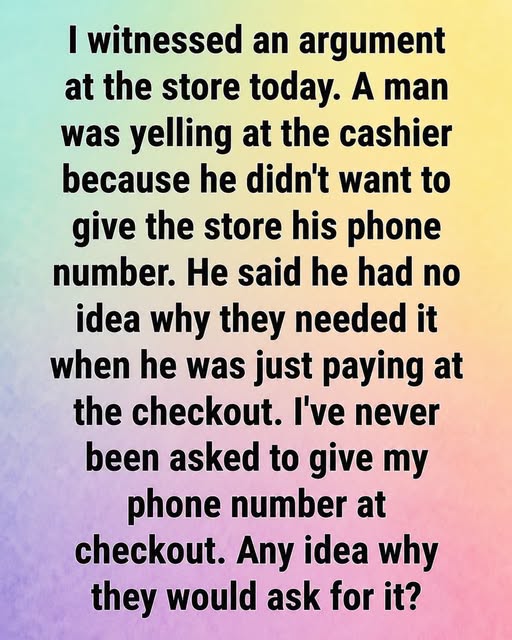
The question hits you when you’re not expecting it. You’re standing at the checkout, ready to pay, thinking only about getting your groceries, clothes, or whatever you came in for—and suddenly the cashier asks for your phone number. It sounds harmless. It feels routine. Almost everyone has been asked the same thing before, so giving out a few digits can seem like such a small decision that it barely deserves a second thought. You might assume it’s simply a way to find your rewards account or apply a discount. But behind that quick request can sit a much larger system designed to understand you as a customer.
That “small” number can quietly become a powerful data key, connecting purchases that would otherwise exist as separate transactions. Once attached to a loyalty account, your phone number can potentially be associated with what you buy, when you shop, how frequently you return, and which offers catch your attention. Over time, individual purchases can become patterns. A single trip to the store may reveal very little, but dozens of visits can paint a surprisingly detailed picture of your shopping habits, preferences, and routines.
Some people gladly make that trade. If entering a phone number means saving money every time they shop, earning rewards, receiving personalized offers, or getting a digital receipt, the benefits can feel worthwhile. Others may not realize what they have agreed to until much later. The discount appears immediately, while the data relationship can continue quietly in the background. That difference matters. You see the savings at the register; you may never see all the information being connected behind the scenes.
And the question becomes even more interesting when you consider how retailers use customer information. A store doesn’t necessarily need to know everything about you to learn something valuable. Repeated purchases can reveal whether you shop weekly or occasionally, whether you respond to certain promotions, whether you tend to buy particular brands, and whether a discount actually changes what you put in your cart. The more transactions connected to the same identifier, the easier it can become to recognize trends.
That split-second decision at the checkout is therefore really about control. A phone number can make your life easier: faster account lookups, automatic discounts, digital receipts, easier returns, reward points, and a more convenient shopping experience. Those advantages are real. But convenience can come with a tradeoff. The same identifier that helps you receive a few dollars off can also help a retailer connect your visits together and build a clearer picture of your behavior as a customer.
For many stores, that information is valuable because it helps them understand what keeps customers coming back. Retailers can use purchasing patterns to shape promotions, decide which products to highlight, understand which discounts attract attention, and encourage future purchases. In other words, your transaction isn’t necessarily the end of the relationship. It can become another piece of information that helps a company understand what you are likely to do next.
None of this automatically means that every retailer is doing something wrong or that every phone-number request is a privacy threat. Many loyalty programs genuinely provide useful benefits, and companies may have legitimate reasons for collecting information. The important point is that consumers should understand the exchange rather than treating the request as meaningless.
You don’t have to refuse every request, but you also don’t have to say yes without thinking. Ask whether the number is actually required to complete the purchase or whether it is only being requested for rewards. If it’s optional, decide whether the discount or convenience is worth the information you’re providing. You can also look at the store’s privacy policy to understand what information is collected and how it may be used or shared.
Sometimes the smartest choice is simply to pause for a second. You don’t need to feel pressured because there is a line behind you or because the cashier asks casually. If you don’t want to join a loyalty program, you can choose not to enroll. If you do want the benefits, you can make that choice knowingly rather than automatically.
A phone number may be just ten digits, but in the modern retail world, those digits can become much more than a way to contact you. Once tied to a loyalty account, they can help connect purchases, visits, rewards, and preferences over time. The real question isn’t whether a store can ask for your number. It’s whether you understand what you receive in return—and what information you may be giving away for that seemingly small convenience.
Because sometimes the most valuable thing you hand over at the checkout isn’t what’s in your wallet. It’s the information that tells a company what’s inside your shopping cart, how often you return, and what might convince you to come back again.