The crowd inside Estadio Olímpico Pascual Guerrero came expecting football. Chants rolled through the stadium, cameras tracked the movement of the ball, and thousands of fans focused on the familiar tension between América de Cali and Millonarios FC. On the field, it looked like another intense night in Colombian league football — hard tackles, quick transitions, and veteran striker Adrián Ramos once again delivering for América de Cali.
But somewhere between the match coverage and the sweeping television shots of the stadium, public attention quietly drifted away from the game itself.
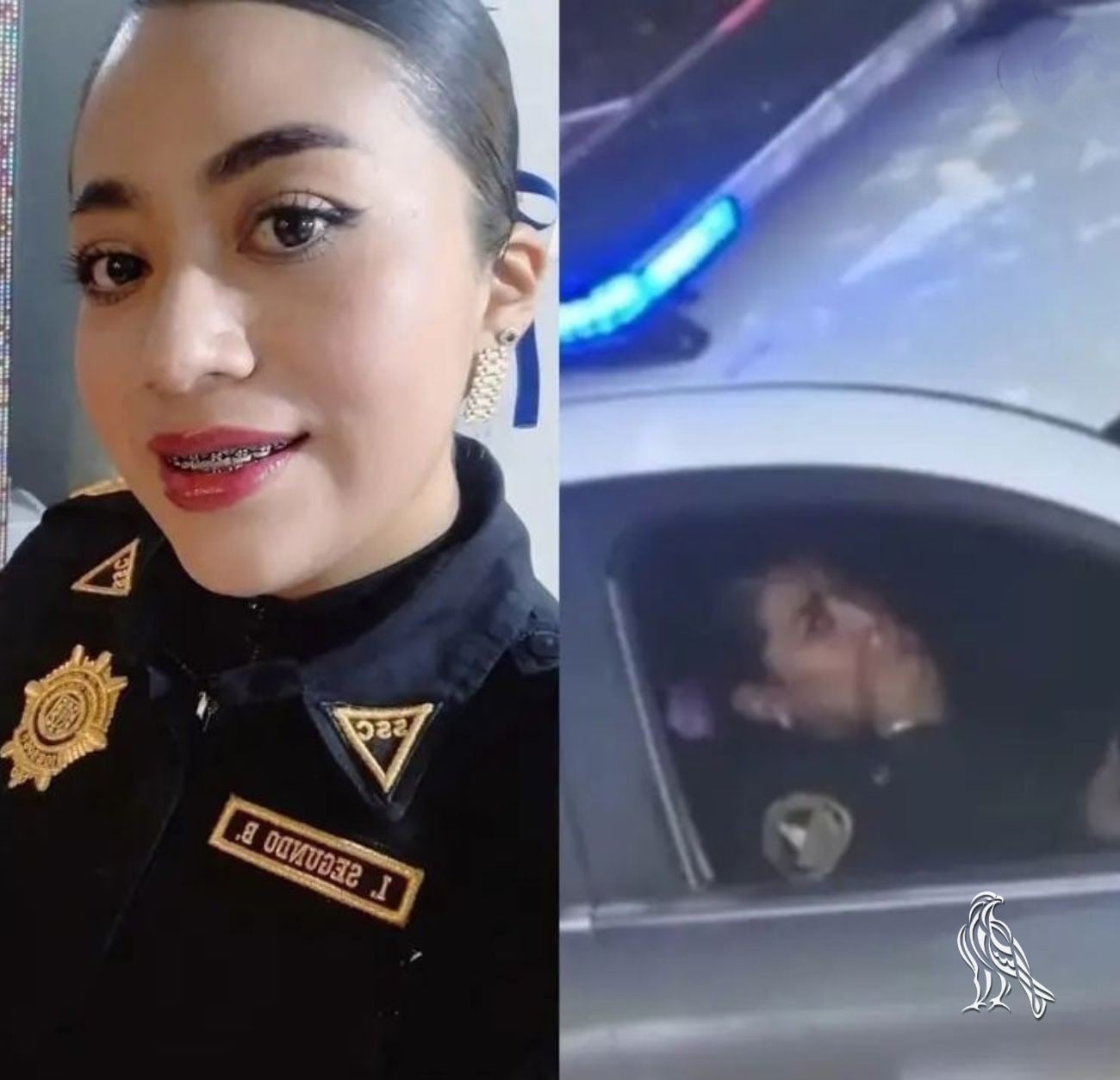
Within minutes, millions online became fixated on an entirely different figure standing near the edge of the action: police officer Alexa Narvaez, working security during the match. She was not celebrating goals, giving interviews, or seeking attention. She was simply doing her job in uniform while cameras captured brief moments of her presence during the broadcast.
That was enough.
Screenshots spread rapidly across social media. Posts multiplied. Comment sections exploded with admiration, jokes, criticism, speculation, and viral fascination. Suddenly, what began as an ordinary security assignment transformed into one of the most discussed side stories of the night. While players battled for points on the pitch, an entirely separate conversation unfolded online at astonishing speed.
The moment revealed something larger than football itself.
Modern sports broadcasts no longer exist only as sporting events. They operate inside a digital ecosystem where every frame can become content, every bystander can become viral, and every unexpected image can generate a narrative completely detached from the match itself. Television cameras once existed primarily to document the game. Now they also feed social media machines constantly searching for moments capable of capturing public obsession for a few intense hours.
Alexa Narvaez’s situation reflected exactly how unpredictable that attention can become.
Unlike athletes or entertainers who intentionally cultivate fame through visibility, she appeared caught in the strange overlap between professional duty and internet culture. Her existing social media presence, combined with the sudden exposure from live television, created the perfect conditions for virality. People online quickly connected the broadcast images to her accounts, turning a fleeting stadium appearance into a nationwide conversation almost overnight.
Yet what followed revealed how complicated modern public attention has become.
Some reactions framed the moment playfully, treating it as harmless internet fascination. Others criticized the intense focus on her appearance rather than the sport itself. Some questioned whether the cameras lingered too long. Others debated professionalism, personal branding, and whether public-facing workers can realistically separate their private online identities from the roles they perform in public spaces.
Underneath the jokes and memes sat a more uncomfortable truth: the internet often turns ordinary people into symbols before they fully understand what is happening.
One televised moment can suddenly redefine how strangers perceive someone forever. In the digital era, visibility arrives instantly and often without consent. A person may go to work expecting anonymity and leave the next morning trending across multiple platforms. That transformation can bring admiration and opportunity, but also scrutiny, judgment, objectification, and loss of control over personal narrative.
For many viewers, the incident became less about Alexa Narvaez specifically and more about what modern football culture has evolved into.
In countries like Colombia, football has always been deeply emotional and socially powerful. Stadiums function not only as sports venues but as cultural theaters where identity, class, loyalty, politics, and entertainment collide. But social media has added a completely new layer to that experience. Matches are now consumed simultaneously through television broadcasts, clips, memes, livestreams, commentary accounts, and viral side stories that can overshadow even the actual result.
A brilliant goal may dominate conversation for an hour. A surprising camera shot can dominate it for days.
That shift changes how audiences remember sporting events altogether. Years from now, many people may struggle to recall the exact scoreline between América de Cali and Millonarios that night. But they may instantly remember the viral discussion surrounding the officer in the stands.
And perhaps that is what makes the situation so fascinating.
The incident exposed how fragile the boundary has become between personal image and public spectacle. It highlighted the strange reality that modern visibility is no longer reserved only for celebrities, athletes, or influencers. In the age of constant cameras and viral culture, anyone can suddenly become the center of a national conversation without warning.
Meanwhile, the football itself continued.
The whistle blew. The match ended. Fans slowly left the stadium. But online, the parallel story kept growing long after the final score stopped mattering. Because in today’s digital world, sporting events are no longer remembered only for what happens on the field.
Sometimes the internet chooses a completely different main character.