What Can Happen After Sleeping With Someone? Understanding Pubic Lice and Intimate Health
Being intimate with someone can sometimes bring unexpected health concerns. One condition people may not feel comfortable discussing is pubic lice, a small parasite that can spread through close physical contact. Understanding the symptoms, transmission, and treatment can help protect your health without unnecessary fear or embarrassment.
Sexual health is an important part of overall well-being, yet many people hesitate to ask questions about conditions that affect intimate areas. Pubic lice, sometimes called “crabs,” are one example. Although they can cause itching and discomfort, they are treatable, and having them is not a sign that someone is unclean.
What Are Pubic Lice?
Pubic lice are tiny parasitic insects known scientifically as Pthirus pubis. They typically live in coarse body hair around the genital area, where they feed on human blood.
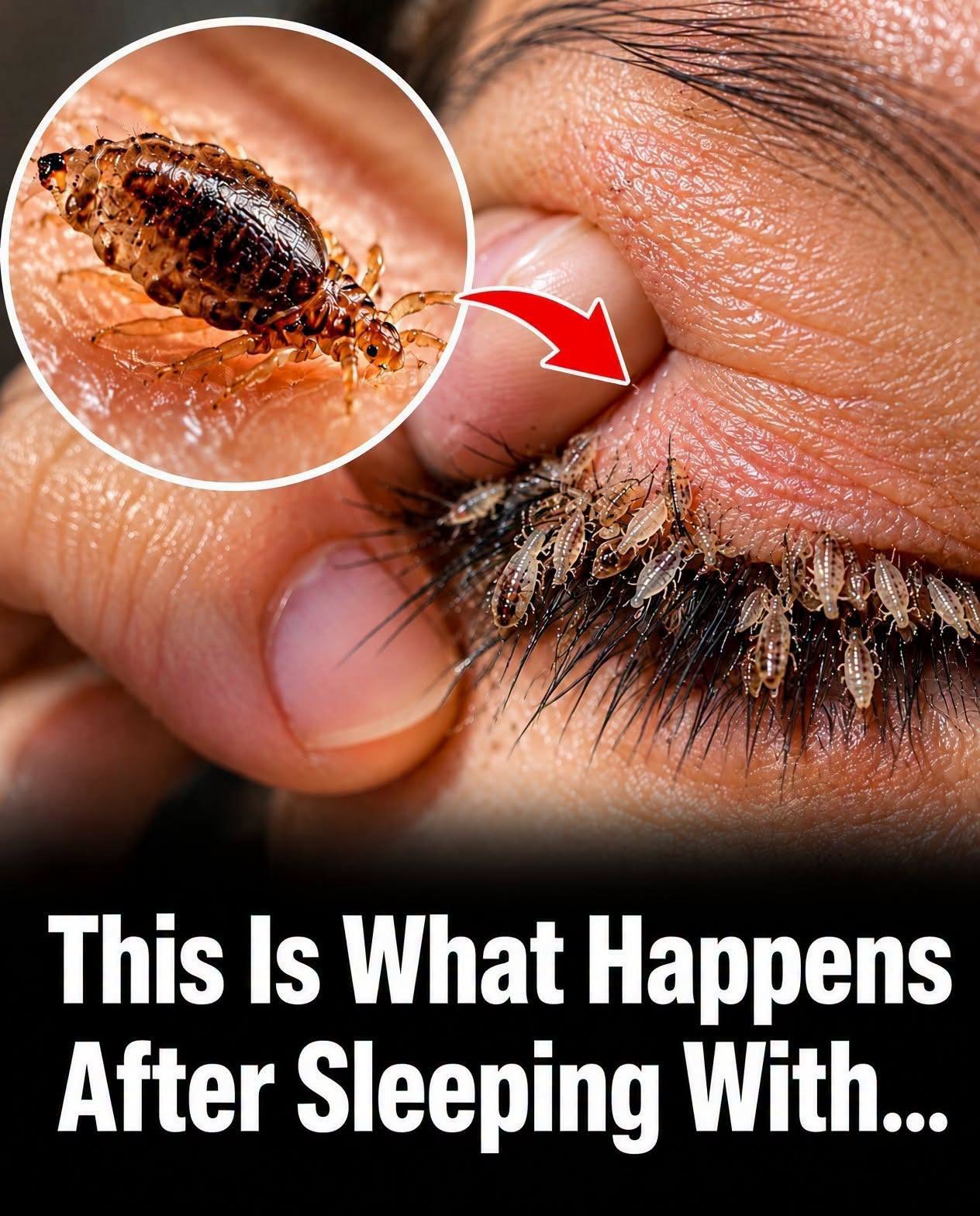
They can occasionally be found in other areas with coarse hair, including the armpits, chest, beard, or eyelashes. They are different from head lice and do not usually live in scalp hair.
How Can Pubic Lice Spread?
Pubic lice most commonly spread through close physical contact, including sexual contact with someone who has an infestation.
Sharing bedding, towels, or clothing that has recently been used by an infested person may also be a possible route of transmission, although this is less common.
Importantly, pubic lice do not jump or fly. They crawl from one person to another during close contact.
Finding pubic lice does not necessarily indicate when the infestation began or establish that a partner has been unfaithful. Symptoms can take time to appear, and some people have no obvious symptoms.
Common Symptoms to Watch For
Symptoms may develop gradually. Some people notice signs within several days, while others may take longer to recognize the problem.
Possible symptoms include:
Persistent itching: Often around the pubic area, and sometimes worse at night.
Visible lice or eggs: Tiny insects or small, oval eggs attached firmly to body hair.
Skin irritation: Redness, inflammation, or scratch marks caused by scratching.
Small spots on the skin or underwear: Occasionally, tiny spots of blood or dark specks may be visible.
Itching alone does not prove that someone has pubic lice. Other conditions, including skin irritation, eczema, and other infections, can cause similar symptoms.
Can Pubic Lice Cause Serious Health Problems?
Pubic lice generally do not transmit disease in the same way as certain other parasites. However, repeated scratching can damage the skin and occasionally lead to a secondary bacterial infection.
Because pubic lice can spread through sexual contact, a healthcare professional may also recommend testing for other sexually transmitted infections, depending on the circumstances.
Pubic lice themselves do not cause infertility.
How Are Pubic Lice Treated?
Treatment is usually straightforward. A pharmacist or healthcare professional can recommend an appropriate lice-killing product, such as a permethrin-based treatment, depending on the affected area and individual circumstances.
Follow the product instructions carefully. Some treatments require a repeat application, and products intended for body hair must never be used around the eyes.
Additional steps include:
Wash recently used clothing, towels, and bedding using hot water and a hot drying cycle when the fabric allows.
Avoid sharing clothing, towels, or bedding until treatment is complete.
Avoid sexual contact until you and your partner or partners have been appropriately treated.
Inform recent sexual partners so they can check for infestation and receive treatment if needed.
If lice remain after treatment, or if symptoms persist, seek professional advice rather than repeatedly applying medication without guidance.
When Should You Seek Medical Advice?
Consult a healthcare professional if you suspect pubic lice but cannot identify them, if treatment does not work, or if you develop significant skin irritation or signs of infection.
If lice or eggs are found on the eyelashes, seek medical advice before using any treatment near the eyes.
Anyone concerned about possible exposure to a sexually transmitted infection should also consider appropriate testing.
The Bottom Line
Pubic lice are a common, treatable parasitic infestation that can spread through intimate contact. They are not a reflection of personal hygiene or character, and there is no reason to feel ashamed about seeking help.
Knowing the symptoms, getting the correct treatment, and communicating openly with partners are practical steps toward protecting intimate health.
Remember: Not every symptom after sexual contact means an infection, but unusual or persistent symptoms deserve attention. Reliable information and timely medical care can help you protect your health with confidence.