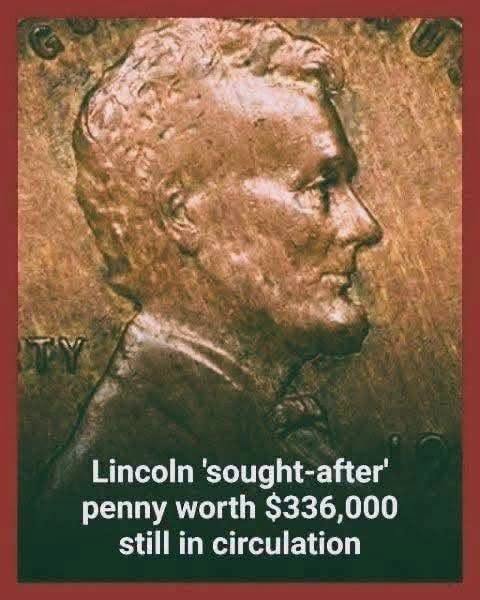
In 1943, during one of the most challenging periods in American history, the United States Mint made an unusual change to the production of its one-cent coins. As the nation became deeply involved in World War II, copper was increasingly needed for military equipment, ammunition, electrical wiring, communication systems, and other essential wartime supplies. Because this metal played such an important role in supporting the war effort, government officials looked for practical ways to conserve it without interrupting the production of everyday currency. One of the solutions was to replace the traditional bronze composition of Lincoln cents with steel coated in a thin layer of zinc. This change allowed the Mint to reduce its use of copper while continuing to manufacture millions of pennies for circulation throughout the country.
The new steel cents were noticeably different from the familiar bronze coins Americans had used for decades. Instead of displaying the warm, reddish-brown color associated with copper, the 1943 cents had a silvery-gray appearance that made them resemble small pieces of steel. Although their design remained largely unchanged, their unusual material immediately set them apart from earlier pennies. The decision was primarily practical, reflecting the extraordinary circumstances of wartime production rather than a desire to create a collectible coin. Millions of these steel cents were produced and distributed, becoming a distinctive reminder of the sacrifices and adjustments required on the American home front during the war.
However, the transition from bronze to steel was not entirely straightforward. The Mint had produced bronze cents in 1942, and some leftover bronze planchets, the blank metal discs used to make coins, apparently remained in its production facilities when the new year began. Under ordinary circumstances, these blanks would have been used during the previous production cycle. But in the complicated environment of a large industrial operation, even carefully managed procedures could leave behind materials that were not immediately noticed. When the Mint began striking cents dated 1943, a small number of these leftover bronze planchets are believed to have entered the presses alongside the newly introduced steel blanks.
The result was an extraordinary manufacturing error. Instead of producing a silver-gray steel cent, the presses struck a few bronze blanks with dies bearing the date 1943. These coins carried the correct year but were made from a metal composition that the Mint had intended to discontinue for that year’s cents. The difference was subtle in terms of the coin’s design, yet enormous in its historical and numismatic significance. The resulting 1943 bronze Lincoln cents became some of the most famous error coins in American collecting history, demonstrating how a seemingly insignificant mistake could transform an ordinary object into an exceptionally valuable artifact.
The circumstances surrounding their creation make these coins particularly fascinating. The Mint was not attempting to produce a special edition or create a future collector’s item. Instead, the bronze cents were unintended products of a transition designed to conserve a strategically important resource. Their existence appears to have resulted from a small number of leftover blanks escaping the normal production controls. In a process that involved enormous quantities of metal, machinery, and carefully organized work, a handful of pieces managed to pass through the system in a form that should no longer have been possible. That unlikely combination of circumstances would eventually turn these pennies into objects of national curiosity.
When reports of the unusual 1943 bronze cents began attracting attention in 1947, newspapers and coin collectors helped spread the story. The idea that a penny could be worth far more than its face value captured the public imagination. People began examining coins in their pockets, searching through jars of loose change, and looking through old collections in the hope of discovering a similar treasure. The story was especially appealing because the coins were not deliberately manufactured rarities. They were believed to have emerged from an accidental oversight during a period when the country was focused on an enormous national emergency. The possibility that an ordinary person might discover one of these valuable pennies in everyday change made the story even more compelling.
As interest grew, the 1943 bronze cent became associated with the excitement and mystery of coin collecting. Unlike a commemorative coin whose special status is announced from the beginning, these pennies owed their rarity to the fact that they were never supposed to exist in that form. Their unusual composition, combined with their date and historical background, made them objects of intense interest among collectors. Each newly reported specimen raised questions about how it had survived, where it had circulated, and whether additional examples might still be hidden in private collections. The possibility of another discovery kept the story alive long after the original wartime circumstances had passed.
Over time, the few known authentic examples acquired extraordinary financial value. Collectors have been willing to pay substantial sums to obtain them, with prices depending on the coin’s condition, provenance, and the circumstances of a particular sale. Their value reflects several factors working together: extreme scarcity, historical importance, public recognition, and the challenge of establishing authenticity. Because so few genuine examples are known, even a single verified coin can attract considerable attention from specialists, auction houses, and collectors around the world. For those fortunate enough to own one, the coin represents not only a valuable collectible but also a rare surviving piece of a remarkable moment in American manufacturing history.
Nevertheless, the extraordinary prices associated with these pennies have also encouraged imitations, altered coins, and misleading claims. A coin’s color alone cannot prove that it is an authentic 1943 bronze cent. Some ordinary steel cents may appear bronze-colored because they have been coated, altered, or exposed to substances that change their surface. Similarly, a bronze cent from another year may be modified to resemble the rare 1943 issue. These possibilities mean that any suspected example must be examined carefully before its identity or value can be established. Specialists consider factors such as its metal composition, weight, physical characteristics, and other details consistent with genuine Mint production. Professional authentication is essential because a coin that looks convincing to an inexperienced observer may not be what it appears to be.
The contrast between the familiar steel cents and the rare bronze examples is particularly striking. The steel coins reflect the Mint’s deliberate effort to adapt to the demands of wartime resource conservation, while the bronze cents represent an unintended exception to that policy. Their different appearances tell a story that extends beyond their metallic composition. One group demonstrates how government institutions can change ordinary manufacturing practices in response to national needs; the other illustrates how even a highly organized process can produce unexpected results. Together, they preserve a small but meaningful part of the economic and industrial history of World War II.
There is also a deeply human element to the story. Behind every coin were workers, machines, schedules, and procedures designed to maintain production under difficult circumstances. The people involved were operating within a system shaped by urgency and the need to support a country at war. Although quality-control measures were intended to prevent mistakes, no large manufacturing operation is entirely immune to human error or unforeseen circumstances. The accidental survival of a few bronze planchets reminds us that history is not shaped exclusively by major decisions, famous leaders, or carefully planned events. Sometimes, small and unremarkable details become significant precisely because no one intended them to matter.
The 1943 bronze Lincoln cent also demonstrates how an ordinary object can acquire a meaning far greater than its original purpose. When first produced, the coin would have been intended to circulate as money, passing from one person to another during everyday transactions. Its creators could not have anticipated that collectors would eventually study it, authenticate it, and compete to own it decades later. What began as a minor deviation in a wartime manufacturing process became a lasting symbol of rarity, chance, and the unexpected ways in which history unfolds.
Today, these pennies continue to attract attention because they combine a compelling origin story with genuine scarcity and significant monetary value. Their warm bronze surfaces distinguish them visually from the familiar gray steel cents of 1943, but their deeper importance lies in what they represent. They preserve evidence of a moment when the demands of war changed even the smallest details of everyday life, from the materials used in military equipment to the metal carried in people’s pockets.
Ultimately, the 1943 bronze cent is much more than an unusual penny. It is a reminder that extraordinary historical artifacts do not always emerge from deliberate planning or grand ambitions. Sometimes, they are created by chance, survive through circumstances no one could have predicted, and become valuable only when their significance is recognized years later. In a period defined by sacrifice, innovation, and the careful management of scarce resources, a few bronze blanks appear to have slipped through the production process and entered circulation against all expectations. Their survival has transformed them into enduring witnesses to an extraordinary era, proving that even the smallest objects can preserve remarkable stories about the past.