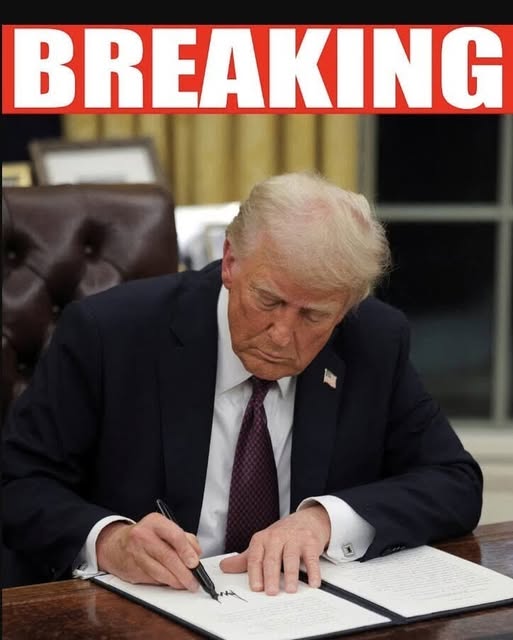
President Trump has ignited a fierce national debate with a move that supporters describe as groundbreaking and critics call politically calculated. In a surprise directive, he ordered federal agencies to accelerate the path for psychedelic-assisted therapies aimed at helping military veterans suffering from severe mental and neurological conditions. The decision immediately placed the spotlight on treatments such as MDMA, ibogaine, and other substances that have generated increasing interest among researchers studying post-traumatic stress disorder, depression, and traumatic brain injuries.
For thousands of veterans who have struggled for years with conventional treatments that failed to provide meaningful relief, the announcement was welcomed as a sign of hope. Many advocates argue that the traditional approval process moves far too slowly for people facing life-threatening mental health challenges. They believe promising therapies should be made available sooner, particularly when early clinical data suggests substantial benefits for patients who have exhausted existing options.
Trump’s directive specifically targets psychedelic treatments that have already received “breakthrough therapy” designation from federal regulators. That designation is intended for therapies showing significant potential compared to current treatment options. By pushing the FDA and the Department of Veterans Affairs to coordinate more closely and share data more rapidly, the administration hopes to shorten the timeline between promising research results and real-world patient access.
Supporters argue that the move addresses a crisis that has been ignored for far too long. Veteran suicide rates, severe PTSD, chronic depression, and traumatic brain injuries continue to affect countless former service members. For many families, every month spent waiting for additional approvals feels like a month too long. Advocates believe accelerating access to innovative treatments could save lives and offer relief to people who have spent years trapped in cycles of suffering.
At the same time, critics caution that speed must not come at the expense of scientific rigor. They argue that while psychedelic therapies have shown encouraging results in several studies, long-term safety and effectiveness still require careful evaluation. Some experts warn that political pressure on regulatory agencies could undermine public confidence if approvals appear driven by urgency rather than evidence.
The debate extends beyond medicine. Questions about federal drug policy have also moved to the forefront. Even if certain psychedelic therapies receive approval, many of these substances remain heavily restricted under federal law. As a result, the administration is also pushing for rapid rescheduling efforts once approvals are granted, aiming to remove legal barriers that could prevent physicians from prescribing treatments that regulators have deemed safe and effective.
The discussion has also revived interest in “Right to Try” concepts, which focus on allowing patients access to experimental treatments under specific circumstances. Supporters view the current initiative as a continuation of that philosophy, emphasizing patient choice and faster access to potentially life-changing therapies. Critics, however, argue that broadening access before sufficient evidence exists may expose vulnerable patients to unknown risks.
Adding to the controversy is the broader political context surrounding the announcement. The order arrives during a highly charged election environment, leading some observers to question whether the policy is motivated purely by medical concerns or whether it also serves a political objective. Supporters reject that criticism, arguing that helping veterans should transcend partisan considerations and that delaying action simply because of political timing would be irresponsible.
Simultaneously, the administration has introduced measures focused on election administration, voter verification procedures, and enhanced coordination between federal and state authorities. Those initiatives have generated a separate set of debates about election integrity, voting access, and the balance between security and participation. While unrelated in substance, the timing of both efforts has encouraged analysts to view them as part of a broader governing philosophy centered on speed, control, and administrative efficiency.
To supporters, these actions demonstrate a willingness to challenge bureaucratic systems that they believe have become slow, ineffective, and disconnected from public needs. To critics, they raise concerns about concentrating too much influence over institutions that are traditionally designed to operate independently of political pressure.
What remains clear is that the conversation surrounding psychedelic therapies is no longer confined to academic conferences or specialized medical journals. It has entered mainstream political debate, where questions of science, public policy, personal freedom, and healthcare reform intersect in complex ways.
For veterans and their families, however, the issue often feels far more personal than political. Many are less concerned with ideological arguments than with finding treatments that work. Their focus remains on whether these emerging therapies can genuinely reduce suffering, improve quality of life, and offer hope where conventional approaches have fallen short.
As regulators, researchers, physicians, and policymakers continue to navigate these questions, the outcome could reshape both mental health treatment and federal drug policy for years to come. Whether viewed as bold leadership or controversial intervention, the decision has undeniably accelerated a national conversation that shows no sign of slowing down.