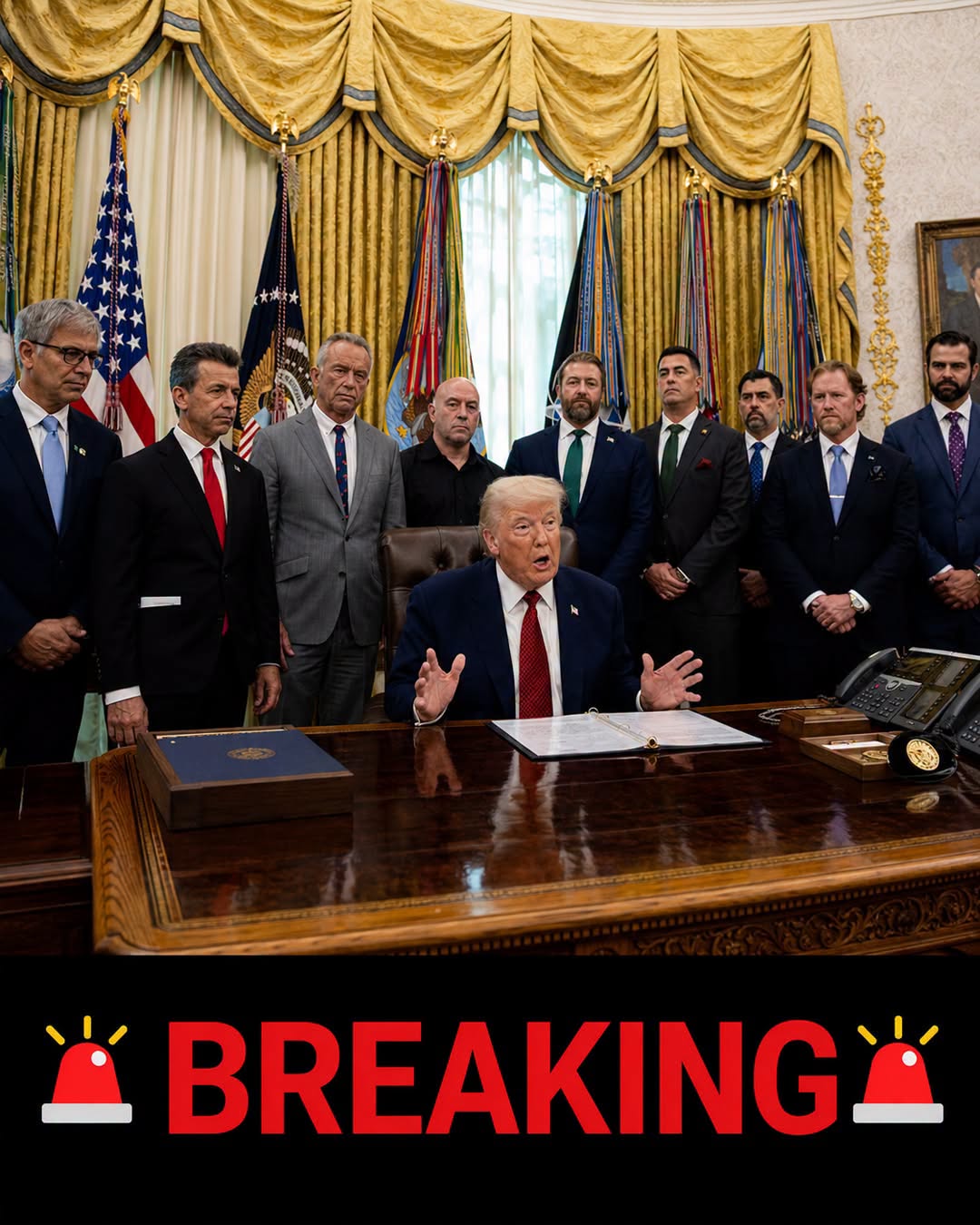
The signature took only seconds, but its consequences could reshape the future of mental health treatment for thousands of American veterans. With the stroke of a pen, President Donald Trump signed an executive order directing federal agencies to accelerate the review of certain psychedelic-assisted therapies for conditions such as post-traumatic stress disorder (PTSD), traumatic brain injury, severe depression, and other service-related mental health challenges. For supporters, the move represents a bold attempt to speed promising treatments to patients who have exhausted conventional options. For critics, it raises difficult questions about balancing scientific rigor with political urgency. For veterans and their families, however, the debate is deeply personal, centered on the hope that new therapies might finally provide relief after years of suffering.
For decades, countless veterans have returned home carrying invisible wounds.
Combat may end overseas, but for many, the psychological impact continues long after military service concludes. Nightmares, anxiety, depression, emotional numbness, and recurring traumatic memories often become part of everyday life, affecting careers, relationships, and family stability.
Traditional treatment options have helped many individuals, but they have not worked for everyone.
Medication, counseling, behavioral therapy, and rehabilitation programs remain the foundation of PTSD treatment, yet some veterans continue struggling despite years of medical care. Many describe cycling through different prescriptions, repeated appointments, and periods of temporary improvement followed by painful setbacks.
The executive order seeks to accelerate research and regulatory review for therapies that have already received special designations because of their potential to address serious medical conditions.
Rather than immediately approving psychedelic treatments for widespread public use, the directive focuses on reducing unnecessary delays during the scientific review process while encouraging agencies to evaluate promising evidence as efficiently as possible.
Supporters argue that the current approval system, although designed to ensure safety, can sometimes move too slowly for patients facing life-threatening mental health crises.
They point to growing clinical research suggesting that carefully supervised psychedelic-assisted therapy—including compounds currently being studied under strict medical protocols—may help some individuals whose conditions have not responded to conventional treatments.
Researchers emphasize that these therapies differ significantly from recreational drug use.
In clinical settings, patients receive carefully measured doses under medical supervision as part of structured psychotherapy programs conducted by specially trained professionals. The treatment involves extensive screening, preparation, monitoring, and follow-up care rather than simply administering medication alone.
Advocates believe expanding access to scientifically validated therapies could dramatically improve quality of life for many veterans.
Some former service members who participated in clinical trials have described meaningful improvements in PTSD symptoms, emotional regulation, and overall well-being after receiving treatment within carefully controlled research environments.
These encouraging results have contributed to increasing interest among scientists, physicians, and veterans’ organizations seeking additional treatment options.
At the same time, many medical experts urge caution.
While early research has shown promise, larger studies remain necessary to better understand long-term safety, effectiveness, appropriate patient selection, and possible risks. Regulators must ensure that accelerated review does not compromise the rigorous scientific standards designed to protect patients.
Critics of the executive order argue that political momentum should never replace careful medical evaluation.
They emphasize that vulnerable individuals experiencing severe psychological distress deserve treatments supported by comprehensive evidence rather than public enthusiasm alone.
Others express concern that growing attention surrounding psychedelic therapies could unintentionally create unrealistic expectations before research has fully answered important clinical questions.
Supporters respond that accelerating scientific review is not the same as abandoning scientific standards.
Instead, they argue the goal is to reduce unnecessary bureaucratic delays while allowing researchers and regulators to evaluate evidence more efficiently for treatments addressing urgent public health needs.
Veterans themselves often find their perspectives shaped by lived experience rather than political ideology.
Many have spent years navigating complicated healthcare systems, trying multiple medications and therapies with limited success. For individuals whose symptoms remain severe despite exhausting available options, even the possibility of additional scientifically supported treatments represents a source of hope.
Families also have a significant stake in the conversation.
Spouses, children, parents, and friends frequently witness the daily effects of untreated trauma, from disrupted sleep and emotional withdrawal to difficulties maintaining relationships and employment. Any treatment capable of reducing those burdens naturally attracts considerable attention.
Mental health organizations continue encouraging balanced discussion grounded in evidence rather than ideology.
They stress that expanding research into innovative therapies should occur alongside continued investment in counseling services, suicide prevention programs, crisis intervention resources, rehabilitation, and comprehensive long-term care for veterans.
No single treatment is likely to help every patient.
Effective mental healthcare generally requires individualized approaches tailored to each person’s unique history, symptoms, and medical needs.
The executive order has nevertheless placed psychedelic-assisted therapy firmly at the center of national healthcare discussion.
Whether viewed as an important step toward innovation or as a policy requiring careful oversight, it has prompted renewed attention to the urgent mental health challenges facing veterans across the country.
As scientists continue conducting clinical trials and federal regulators evaluate emerging evidence, the coming years will likely determine how these therapies fit within broader medical practice.
For many veterans still searching for relief after years of struggle, the conversation extends far beyond politics.
It centers on the hope that continued scientific research may eventually expand the range of safe, effective treatments available to those who have sacrificed so much in military service.
Ultimately, the success of any new therapy will depend not on headlines or executive orders, but on careful research, rigorous clinical evidence, patient safety, and the shared commitment to providing veterans with the highest standard of compassionate, evidence-based care.