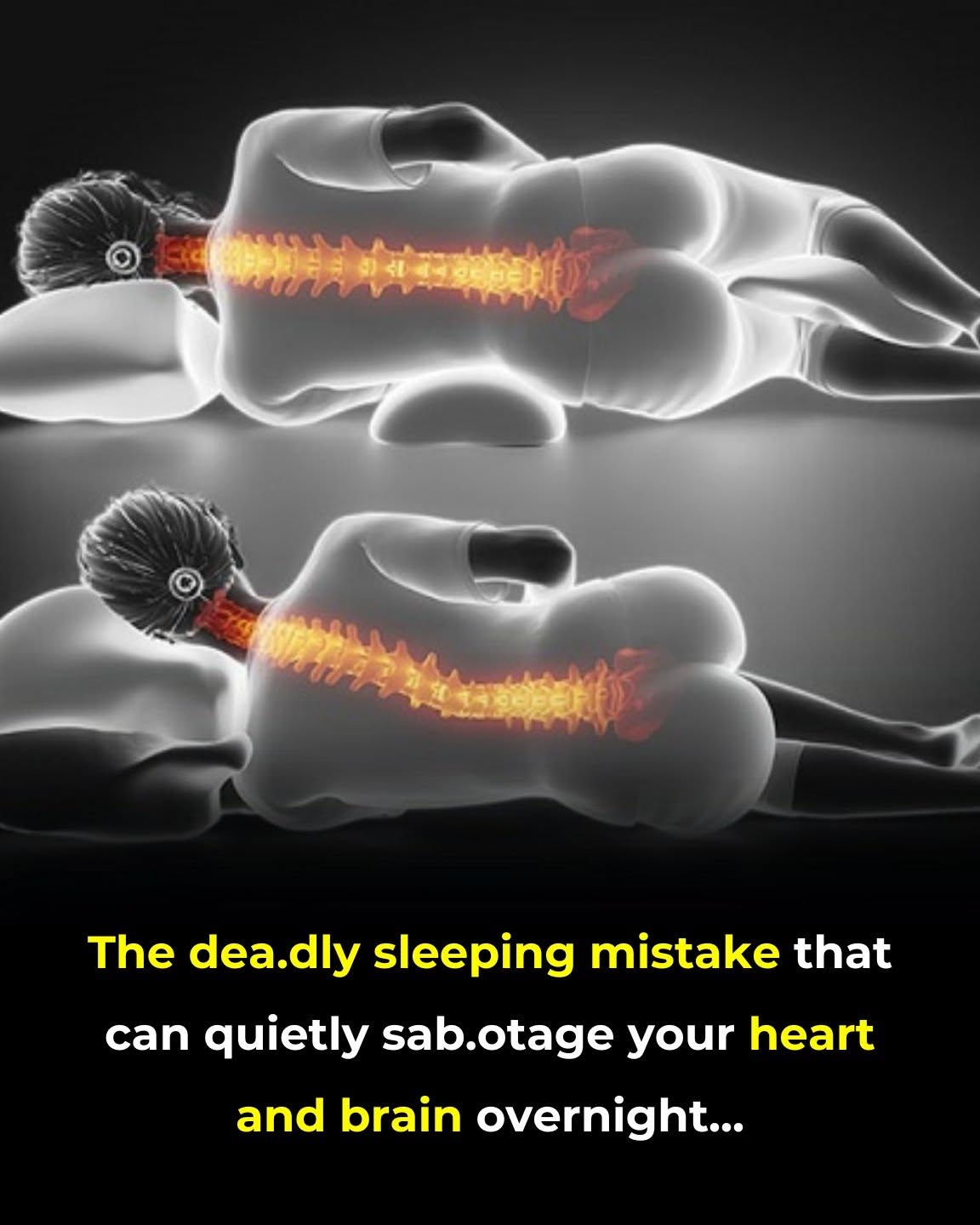
This Sleep Mistake Could Impact Your Heart and Brain Without You Realizing It
You go to bed every night expecting your body to rest, recover, and prepare for the next day. But what if one common sleep habit is quietly affecting your health without you even noticing?
Doctors and sleep researchers have long emphasized that sleep quality matters just as much as sleep duration. Poor sleep, untreated sleep disorders, and irregular sleeping patterns can affect concentration, mood, blood pressure, and long-term cardiovascular health.
One mistake many people overlook is consistently ignoring poor-quality sleep and assuming that spending enough hours in bed is all that matters.
The consequences may extend beyond feeling tired the next morning.
1. The Sleep Problem You Shouldn’t Ignore
Imagine sleeping for seven or eight hours but waking up exhausted almost every day. You may experience morning headaches, difficulty concentrating, irritability, or a persistent need to nap.
These symptoms can have several causes, including stress, medication effects, insomnia, and sleep apnea.
Sleep apnea is particularly important because it causes repeated interruptions in breathing during sleep. These interruptions can lower oxygen levels and repeatedly disturb normal sleep.
Over time, untreated obstructive sleep apnea is associated with an increased risk of high blood pressure and other cardiovascular problems.
Common warning signs include:
Loud, persistent snoring.
Pauses in breathing noticed by a partner.
Waking up gasping or choking.
Morning headaches.
Excessive daytime sleepiness despite adequate time in bed.
If you recognize these symptoms, speak with a healthcare professional about whether a sleep evaluation is appropriate.
2. How Poor Sleep Can Affect Your Heart
Your heart and blood vessels benefit from the normal changes that occur during healthy sleep.
Blood pressure generally falls during the night, giving the cardiovascular system a period of reduced activity. Repeated sleep disruption can interfere with this pattern.
Research has linked chronic insufficient sleep and certain sleep disorders with a higher risk of hypertension, cardiovascular disease, and stroke.
Several mechanisms may contribute, including changes in stress hormones, inflammation, blood vessel function, and the regulation of blood pressure.
However, poor sleep does not automatically cause heart disease. Cardiovascular health also depends on factors such as genetics, physical activity, smoking, diet, and existing medical conditions.
The practical lesson is to take persistent sleep problems seriously rather than treating them as an unavoidable part of getting older.
3. What Happens to Your Brain When You Don’t Sleep Well?
Sleep supports memory, learning, attention, and emotional regulation.
During sleep, the brain processes information gathered throughout the day and supports the formation and consolidation of memories. Insufficient sleep can interfere with these processes, making it harder to focus, solve problems, and respond calmly to stressful situations.
Chronic sleep difficulties have also been associated with an increased risk of cognitive decline and dementia in some studies.
Scientists are still investigating the direction and strength of these relationships. Sleep problems can sometimes be an early sign of other health changes, rather than the sole cause of them.
What is clear is that regularly sacrificing sleep can affect everyday brain function, even if you have become accustomed to feeling tired.
4. Five Common Sleep Mistakes That May Be Hurting Your Health
Mistake 1: Going to bed at a different time every night
An irregular schedule can disrupt your body’s internal clock.
What to do: Try to go to bed and wake up at consistent times, including on weekends.
Mistake 2: Scrolling on your phone late into the night
Late-night phone use can delay bedtime, stimulate your mind, and expose you to light that may interfere with your normal sleep signals.
What to do: Create a relaxing wind-down routine and put your phone aside before bedtime if it makes it harder to fall asleep.
Mistake 3: Drinking alcohol to fall asleep
Alcohol may make you feel sleepy initially, but it can fragment sleep later in the night and worsen snoring or sleep apnea.
What to do: Avoid using alcohol as a sleep aid.
Mistake 4: Ignoring loud snoring
Persistent loud snoring, particularly when accompanied by gasping or witnessed breathing pauses, may indicate obstructive sleep apnea.
What to do: Seek medical advice instead of assuming that snoring is harmless.
Mistake 5: Treating chronic sleep deprivation as normal
Many adults need around seven to nine hours of sleep each night. Regularly getting too little sleep can affect mood, concentration, and physical health.
What to do: Make sufficient sleep a priority and seek professional guidance if you cannot sleep well despite having enough time available.
5. How to Build a Healthier Nighttime Routine
Small, consistent changes can improve sleep for many people.
Maintain a regular sleeping and waking schedule.
Keep your bedroom quiet, dark, and comfortably cool.
Get regular physical activity, preferably earlier in the day if evening exercise disrupts your sleep.
Avoid caffeine late in the day if you are sensitive to its effects.
Limit heavy meals close to bedtime if they cause discomfort or acid reflux.
Get daylight exposure during the day.
Speak with a healthcare professional about persistent insomnia, excessive daytime sleepiness, or symptoms of sleep apnea.
If you take medication that affects sleep, do not stop or change it without discussing the options with your clinician.
6. When Should You Be Concerned?
Occasional poor sleep is common and does not necessarily indicate a serious medical problem.
However, persistent difficulty sleeping, repeated nighttime awakenings, loud snoring with breathing pauses, or excessive daytime sleepiness deserves attention.
Seek emergency medical care if sleep-related symptoms occur alongside severe chest pain, serious difficulty breathing, fainting, or sudden neurological symptoms such as facial drooping, weakness on one side, or difficulty speaking.
Do not wait until morning when emergency warning signs are present.
Final Thoughts
The sleep mistake that deserves the most attention is not necessarily going to bed a few minutes too late or waking up once during the night.
It is repeatedly ignoring poor sleep, chronic sleep deprivation, or signs of an underlying sleep disorder.
Healthy sleep supports memory, concentration, emotional well-being, and cardiovascular function. Although good sleep cannot guarantee protection against heart disease or cognitive decline, it is an important part of an overall healthy lifestyle.
Tonight, consider one simple question: Are you waking up refreshed, or have you become so accustomed to feeling tired that you no longer recognize it as a problem?
Listening to your body and seeking help when symptoms persist may be the first step toward better sleep—and better long-term health.
Medical disclaimer: This article provides general educational information and does not diagnose or treat any medical condition. Evidence linking sleep patterns with long-term disease varies, and individual risks differ. Consult a qualified healthcare professional about persistent symptoms.