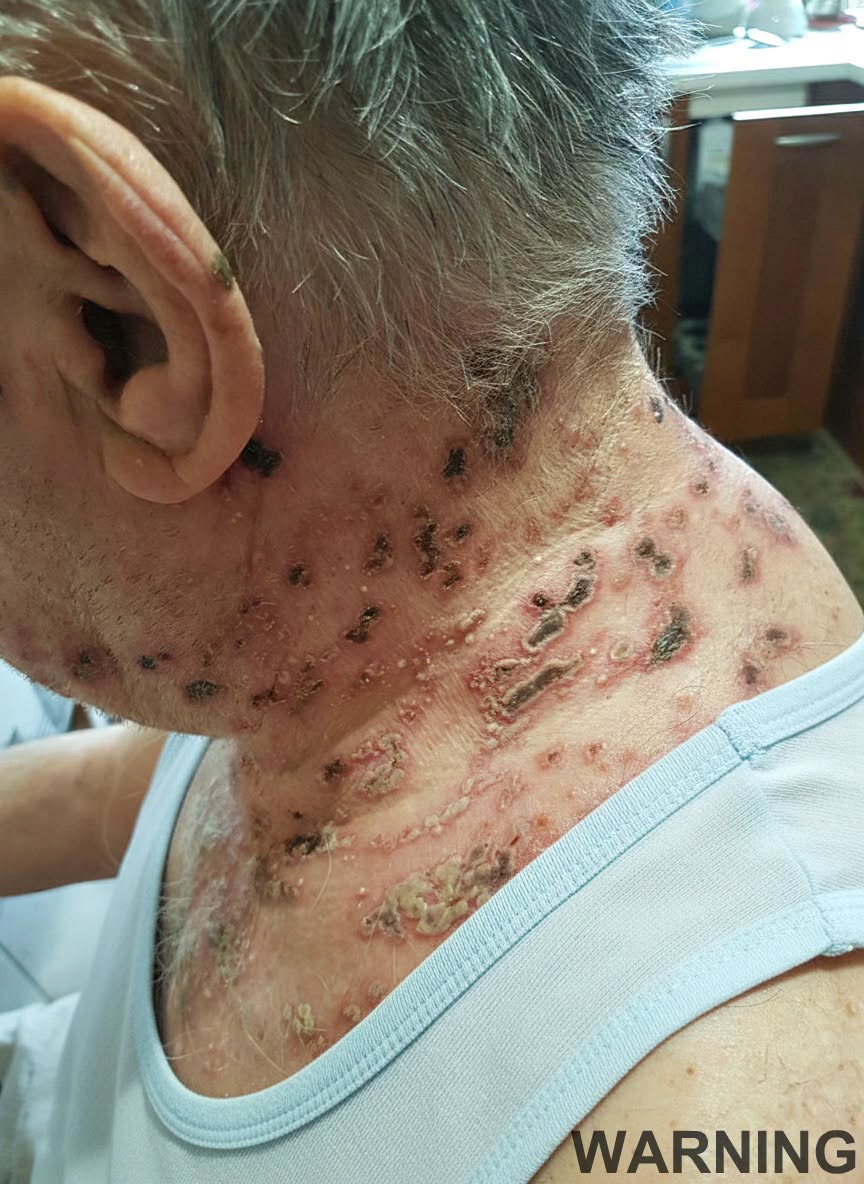
This Is the Silent Disease That Can Be Triggered When You Come Into Contact With Certain Substances
Many health conditions can develop without obvious warning signs, making them difficult to recognize in their early stages. Among them are allergic reactions and other immune-related conditions that can be triggered when a person comes into contact with certain substances in their environment.
From household cleaning products and cosmetics to pollen, dust, and certain metals, everyday exposures can sometimes cause unexpected symptoms. While some reactions are mild, others may require urgent medical attention.
What Is a Silent Disease?
The term “silent disease” is often used to describe a condition that develops without noticeable symptoms or produces signs that are easy to overlook. However, it is not a specific medical diagnosis, and different diseases can behave very differently.
One example is contact dermatitis, a skin condition that occurs when the skin reacts to an irritating substance or an allergen. It can develop after exposure to products that people use every day, including soaps, detergents, fragrances, and certain cosmetic ingredients.
What Can Trigger the Condition?
Contact dermatitis generally falls into two main categories: irritant contact dermatitis and allergic contact dermatitis.
Irritant contact dermatitis occurs when a substance directly damages or irritates the skin. Frequent handwashing, prolonged contact with water, detergents, and strong cleaning products can contribute to this problem.
Allergic contact dermatitis occurs when the immune system reacts to a substance that the person has become sensitized to. Common triggers include nickel in jewelry, fragrances, preservatives in personal-care products, and certain chemicals.
Symptoms may appear immediately or develop hours to days after exposure, depending on the cause.
Warning Signs You Should Not Ignore
The symptoms of contact dermatitis can vary from person to person. Common signs include:
Redness or irritation of the skin.
Itching or a burning sensation.
Dry, cracked, or scaly skin.
Swelling in the affected area.
Small blisters in more severe cases.
These symptoms may appear on the hands, face, arms, or other areas that have come into contact with the triggering substance.
Because several skin conditions can produce similar symptoms, persistent or recurring irritation should be assessed by a healthcare professional. Allergy patch testing may help identify the cause when allergic contact dermatitis is suspected.
How Can You Reduce the Risk?
Avoiding the substance responsible for a reaction is usually the most important step. Reading product labels, using suitable protective gloves when handling cleaning products, and choosing fragrance-free skin-care products may help reduce exposure in some cases.
If a reaction develops, gently washing the affected skin with lukewarm water and avoiding further contact with the suspected trigger may help. A pharmacist or healthcare professional can advise whether additional treatment is needed.
Severe swelling of the lips or tongue, difficulty breathing, or sudden faintness can indicate a serious allergic reaction and require emergency medical assistance.
Why Early Recognition Matters
A seemingly minor rash or recurring irritation may be a sign that the skin is reacting to something in its environment. Identifying the trigger early can help prevent repeated exposure and reduce the risk of persistent symptoms.
However, not every condition described online as a “silent disease” is an allergy, and contact with a particular substance does not automatically mean someone will develop an illness.
The key message is simple: pay attention to recurring symptoms, avoid suspected irritants when possible, and seek medical advice when symptoms persist or worsen.
Health note: The original headline does not identify a specific disease or trigger. This article uses contact dermatitis as an illustrative example and should not be interpreted as confirmation that it is the condition intended by the original headline.