These Are the Consequences of Sleeping with the Wrong Habits: 10 Things Your Skin May Be Trying to Tell You
Have you ever looked in the mirror after waking up and noticed that your skin looked different from the night before? Perhaps your face appeared unusually dry, your eyes looked puffy, or your skin seemed more irritated than usual. For some people, these changes disappear within a few hours. For others, persistent discoloration, itching, redness, or unusual patches of skin can become a source of concern.
Sleep is essential for the body’s recovery, and the skin is no exception. While you rest, your body continues to regulate inflammation, repair everyday cellular damage, and maintain the protective barrier that helps keep moisture inside your skin. Your nighttime habits, bedding, bedroom environment, and skincare routine can all influence how comfortable and healthy your skin feels.
But what happens when you repeatedly sleep with habits that are not good for your skin?
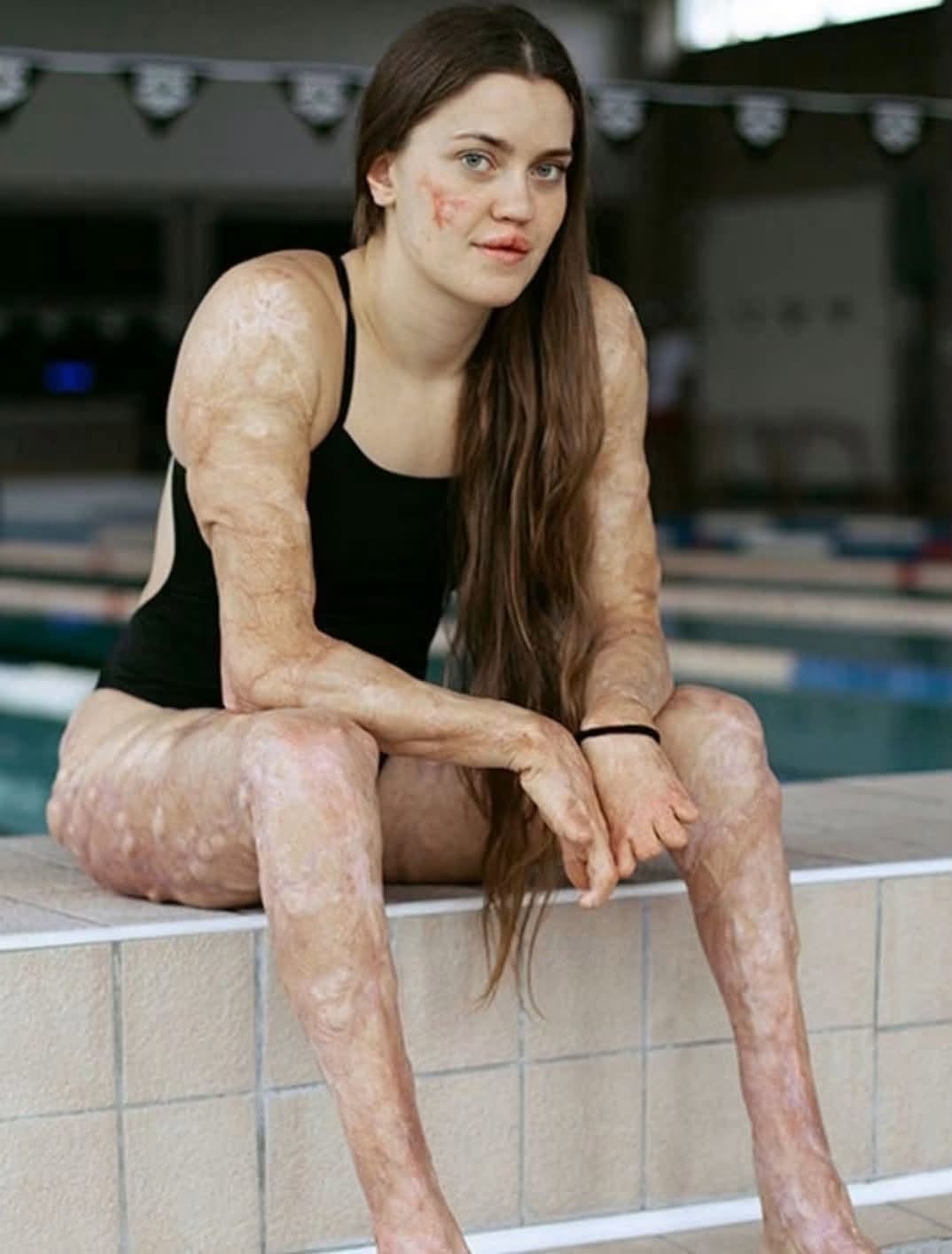
Could sleeping with makeup on contribute to irritation? Can dirty pillowcases worsen acne? Does sleeping in a hot room aggravate certain skin conditions? And can unusual skin discoloration, such as the patches visible in the photograph, really be caused by sleeping incorrectly?
The answer is more complicated than many social media posts suggest.
Certain nighttime habits can contribute to skin irritation, dryness, acne, or flare-ups of existing skin conditions. However, dramatic changes in skin color or widespread pale patches are not automatically caused by sleeping habits. They may have several possible explanations, and identifying the underlying cause requires more than looking at a photograph.
This article explores ten important connections between sleep and skin health, explains which habits may be worth changing, and identifies symptoms that deserve professional medical attention.
1. Your Skin Continues to Repair and Renew Itself While You Sleep
One of the most important things to understand about nighttime skincare is that the skin remains biologically active while you sleep.
Your skin is the body’s largest organ. It provides a physical barrier against environmental irritants, helps regulate temperature, limits excessive water loss, and participates in immune defense.
The outermost layer of the skin, known as the stratum corneum, contains specialized cells and lipids that help maintain this protective barrier.
When the barrier functions properly, it helps the skin retain moisture and protects underlying tissues from many external irritants.
Throughout the day, the skin encounters ultraviolet radiation, pollution, temperature changes, friction, and cleansing products. Some of these exposures can contribute to irritation or damage, depending on their intensity and the individual’s susceptibility.
During the night, the skin continues processes involved in maintaining its structure and responding to everyday stressors.
Research also suggests that several aspects of skin physiology, including barrier function, blood flow, and water loss, follow daily rhythms influenced by the body’s circadian clock.
These rhythms help explain why some people experience changes in skin hydration, sensitivity, or appearance at different times of the day.
However, nighttime is not a magical period when the skin repairs every problem automatically. The speed and effectiveness of recovery depend on many factors, including age, genetics, nutrition, overall health, existing skin conditions, and environmental exposures.
How can poor sleep affect the skin?
Consistently insufficient sleep can influence stress regulation, immune function, and inflammatory processes. These changes may affect the appearance and comfort of the skin in some individuals.
Poor sleep can also make it harder to maintain a consistent skincare routine or manage conditions that cause itching and discomfort.
Some people notice that their skin looks duller or their eyes appear more tired after several nights of inadequate sleep.
Nevertheless, it would be inaccurate to claim that one night of poor sleep causes permanent skin damage or that sleeping for a specific number of hours will eliminate every skin problem.
For most adults, regularly obtaining at least seven hours of sleep is a sensible starting point.
A consistent schedule, a comfortable bedroom, and a practical nighttime routine can support both sleep quality and general well-being.
The key lesson is that sleep supports normal skin function, but persistent skin abnormalities should not automatically be blamed on a lack of sleep.
2. Sleeping with Makeup On May Irritate Your Skin and Contribute to Breakouts
One of the most common nighttime skincare mistakes is going to bed without removing makeup.
After a long day, washing your face may feel like an unnecessary chore. Some people fall asleep wearing foundation, concealer, mascara, sunscreen, or other cosmetic products because they are too tired to complete their usual routine.
Doing this occasionally does not guarantee that a breakout will occur. However, repeatedly sleeping in makeup can create problems for some people, particularly those with acne-prone or sensitive skin.
Cosmetic products vary considerably in their ingredients, formulation, and effects on the skin.
Some products may contribute to clogged pores in susceptible individuals. Others may irritate the skin, especially when they contain ingredients that a person does not tolerate well.
Eye makeup can also cause irritation if it remains around the eyelids for extended periods.
Why can makeup contribute to acne?
Acne develops through a combination of factors, including excess sebum production, abnormal shedding of cells within hair follicles, inflammation, and the activity of certain skin microorganisms.
Cosmetics are not the sole cause of acne, but certain products may aggravate breakouts in some individuals.
Leaving makeup on overnight can also make it harder to remove sweat, environmental debris, and accumulated products from the skin.
If you regularly experience clogged pores or breakouts, consider using products labeled non-comedogenic, although this label cannot guarantee that a product will never cause a reaction.
What should you do before bed?
A practical nighttime routine does not need to be complicated.
First, remove makeup with a suitable cleanser or makeup remover. Then wash your face gently with a cleanser appropriate for your skin type.
Avoid vigorous scrubbing, harsh brushes, or repeated washing intended to make the skin feel excessively clean. These practices can damage the skin barrier and increase irritation.
Follow with a moisturizer if your skin needs additional hydration.
If you use prescription acne treatments, apply them according to your healthcare professional’s instructions.
For people with oily skin, a lightweight moisturizer may be more comfortable than a heavy product. People with dry or sensitive skin may prefer a richer formulation.
If a particular product consistently causes burning, redness, swelling, or itching, discontinue it and seek advice if the reaction persists.
Removing makeup before bed is a simple preventive habit, but it will not cure every form of acne or explain every type of skin discoloration.
3. Dirty Pillowcases May Contribute to Skin Irritation
Your pillowcase remains in contact with your face for hours at a time.
During sleep, it can accumulate sweat, skin oils, hair products, cosmetic residue, and environmental particles. The amount depends on personal habits, room conditions, bedding materials, and how frequently the pillowcase is washed.
For some people, the combination of friction, moisture, and product residue may contribute to irritation.
People with sensitive skin or certain inflammatory skin conditions may find that their symptoms become worse when their bedding is uncomfortable or contaminated with a substance that irritates them.
However, pillowcases are not the primary cause of every acne breakout, and there is limited evidence that changing them every day will independently eliminate acne.
Acne is a complex condition involving biological processes within the hair follicles. Bedding hygiene can be part of a sensible skincare routine, but it should not be treated as a substitute for evidence-based acne treatment.
How often should you wash your pillowcase?
There is no single schedule that is ideal for everyone, but washing pillowcases regularly is a reasonable hygiene practice.
You may want to change them more frequently if you sweat heavily at night, use substantial hair products, or experience repeated irritation.
Choose a laundry detergent that your skin tolerates well. If you have sensitive skin, heavily fragranced detergents or fabric softeners may be worth avoiding.
Rinse bedding thoroughly and follow the washing instructions for the fabric.
It is also sensible to avoid sharing personal towels and pillowcases when someone has a contagious skin infection.
What about expensive silk pillowcases?
Silk pillowcases are often marketed as a solution for acne, wrinkles, and skin aging.
Although some people find silk comfortable and appreciate its smooth texture, there is insufficient evidence that switching to silk alone prevents acne or significantly reduces wrinkles.
Comfort, cleanliness, and avoiding irritating products are more practical priorities than purchasing expensive bedding in the hope of treating a medical skin condition.
If your skin continues to develop persistent redness, painful bumps, scaling, or unusual patches despite reasonable hygiene, consider seeking professional advice.
4. Skin Discoloration Is Not Always Caused by Poor Sleep
The image accompanying this topic shows a woman with extensive areas of lighter-looking skin and some visible redness on her face.
It is important to recognize that a photograph cannot establish the exact cause of these changes.
Several skin conditions can produce lighter patches, darker patches, redness, or a combination of different colors. Their appearance can overlap, and lighting, camera processing, previous inflammation, and the individual’s natural skin tone can make interpretation more difficult.
Some conditions are harmless, while others require treatment or further investigation.
Vitiligo
Vitiligo is a condition in which areas of skin lose pigment because pigment-producing cells, known as melanocytes, are lost or stop functioning normally.
It can produce sharply defined pale or white patches that may occur on the face, hands, arms, legs, or other areas of the body.
The distribution varies considerably. Some people develop a few localized patches, while others experience more widespread pigment loss.
Vitiligo is generally understood to involve autoimmune mechanisms, although its development is complex and not fully explained in every individual.
It is not caused simply by sleeping in the wrong position, using a dirty pillowcase, or failing to remove makeup.
There is currently no basis for concluding from the photograph alone that the woman has vitiligo.
Post-inflammatory hypopigmentation
Another possibility is post-inflammatory hypopigmentation, which refers to lighter skin that develops after inflammation or injury.
Certain rashes, infections, burns, or inflammatory skin conditions can temporarily or persistently alter pigmentation.
The affected area may appear lighter than the surrounding skin after the original problem improves.
The degree of pigment loss and the time required for recovery depend on the underlying condition and the depth of the skin changes.
Other possible causes
Other conditions can also produce pale patches, including some superficial fungal infections, eczema-related pigment changes, and certain less common disorders.
The appropriate evaluation depends on the location, shape, distribution, duration, and associated symptoms.
A dermatologist may examine the skin closely and, when necessary, use a Wood’s lamp, skin scraping, or other investigations.
Why does the distinction matter?
Different causes require different approaches.
For example, vitiligo may be managed with selected topical treatments, light-based therapies, or other treatments depending on the extent and circumstances.
A fungal infection may require an antifungal medication.
Inflammatory skin conditions may need treatment directed at the underlying inflammation.
Using an inappropriate bleaching cream, steroid product, or antifungal medication without knowing the cause can delay proper treatment and sometimes make the problem worse.
Persistent pale patches should not be dismissed as a consequence of sleeping badly. If you notice new or spreading areas of pigment loss, arrange an appropriate medical evaluation.
5. Sleeping in a Hot, Humid Environment May Aggravate Certain Skin Conditions
The temperature and humidity of your bedroom can affect how comfortable your skin feels.
Some people sweat heavily during sleep, particularly when the room is warm, the bedding is thick, or they wear heavy clothing.
Sweat itself is a normal part of temperature regulation. However, prolonged moisture, friction, and heat may aggravate certain skin conditions.
For example, people with eczema may experience more itching when they become overheated. Heat and sweat can also irritate skin folds and contribute to discomfort in areas where moisture becomes trapped.
People who are prone to certain types of heat rash may develop small, itchy or prickly bumps when sweat ducts become blocked.
These effects vary by individual, and a warm bedroom does not automatically cause a chronic skin disease.
How can you make your sleeping environment more comfortable?
Consider the following adjustments:
Keep the bedroom at a comfortable temperature.
Choose breathable sleepwear.
Use bedding that does not make you excessively hot.
Change out of damp clothing before bed.
Shower after heavy sweating if it helps remove irritants.
Dry skin folds gently rather than rubbing them aggressively.
Apply a suitable moisturizer if your skin becomes dry.
If you have eczema, identify personal triggers rather than assuming that all heat exposure is harmful.
A lukewarm shower may be more comfortable than a very hot shower, which can strip oils from the skin and worsen dryness.
After bathing, applying moisturizer while the skin is still slightly damp can help support the skin barrier.
When should you be concerned?
A rash that develops rapidly, spreads extensively, becomes painful, produces pus, or occurs alongside fever should be assessed by a healthcare professional.
Likewise, persistent night sweats that repeatedly soak your clothing or bedding should not automatically be blamed on a warm bedroom, particularly when accompanied by fever, unexplained weight loss, or other concerning symptoms.
Your sleeping environment can influence skin comfort, but it cannot explain every persistent rash or change in pigmentation.
6. Sleeping with Wet Hair Is Not the Same as Damaging Your Skin
Another common nighttime claim suggests that going to bed with wet hair inevitably causes fungal infections, severe scalp damage, or permanent skin problems.
The evidence does not support such a broad conclusion.
Wet hair is generally more vulnerable to certain types of mechanical damage than dry hair. Repeated rubbing against bedding while the hair is wet may contribute to breakage, particularly if the hair is already damaged or treated.
Some people also find that sleeping with a wet scalp makes them uncomfortable.
However, sleeping with damp hair does not automatically cause a fungal scalp infection, and there is no strong evidence that it causes permanent skin discoloration.
Scalp infections generally involve specific microorganisms and other factors rather than simply the presence of water.
What about scalp irritation?
People who are prone to seborrheic dermatitis, eczema, or other scalp conditions may notice that their symptoms fluctuate with environmental conditions and hair-care practices.
Hair products, detergents, sweat, and irritation can also influence symptoms.
If your scalp is repeatedly itchy, flaky, inflamed, or painful, consider whether your shampoo, conditioner, styling products, or washing routine may be contributing.
A healthcare professional can help distinguish common dandruff from psoriasis, contact dermatitis, fungal infections, and other conditions.
A practical approach
If possible, allow your hair to dry before going to bed, particularly if you have long hair or a scalp that becomes uncomfortable when damp.
Avoid aggressive brushing when hair is wet, and use products suited to your hair type.
If you use a hair dryer, avoid excessive heat and keep the device at an appropriate distance from the scalp.
These steps may help reduce mechanical damage and improve comfort.
However, there is no reason to believe that one night with damp hair will inevitably lead to a serious skin disorder.
7. Stress and Poor Sleep Can Make Some Skin Conditions Harder to Manage
Skin health is influenced by more than cosmetics and external products.
The nervous system, immune system, hormones, and skin barrier interact in complex ways. Psychological stress can influence some of these processes, while persistent skin symptoms can themselves increase stress and disrupt sleep.
This relationship can become a cycle.
A person develops an itchy rash, struggles to sleep, feels exhausted the next day, and becomes increasingly worried about the appearance of the skin. Stress and scratching may then aggravate the existing problem.
This pattern is particularly relevant for certain inflammatory conditions, including eczema and psoriasis, although the relationship varies among individuals.
Stress does not explain every skin condition, and it should not be used to dismiss symptoms that need medical investigation.
Why does sleep matter?
Insufficient sleep can affect emotional regulation, concentration, and the body’s stress responses.
When people are exhausted, they may also be more likely to scratch irritated skin, skip their prescribed treatments, or use harsh products in an attempt to obtain faster results.
These behaviors can interfere with the management of existing skin problems.
However, there is no established rule that a specific number of hours of sleep will cure eczema, psoriasis, vitiligo, or another chronic skin disorder.
Treatment needs to address the underlying condition.
What can help?
A consistent sleep schedule, a relaxing pre-bed routine, and appropriate treatment of itching may improve comfort.
People with recurring nighttime itching may benefit from identifying triggers such as heat, fragranced products, certain fabrics, or allergens.
If itching regularly prevents sleep, discuss it with a healthcare professional rather than relying solely on sedating medications or herbal remedies.
For chronic inflammatory skin conditions, appropriate topical treatments, systemic medications, or specialist therapies may be necessary.
Better sleep can support overall well-being, but it is one part of a broader management plan rather than a universal cure for skin disease.
8. Scratching Your Skin During Sleep Can Worsen Irritation
Many people scratch their skin without realizing it, especially when itching becomes intense at night.
The scratching may happen during brief awakenings or without the person becoming fully conscious.
Repeated scratching can damage the skin’s protective barrier and produce small cuts, bleeding, crusting, and further inflammation.
This creates a cycle in which irritation triggers itching, scratching damages the skin, and the damaged skin becomes even more uncomfortable.
Over time, repeated scratching may lead to thickened skin or changes in pigmentation, depending on the condition and the individual’s skin type.
What causes nighttime itching?
There are numerous possibilities.
Eczema, psoriasis, contact dermatitis, insect bites, dry skin, scabies, certain fungal infections, and other conditions may cause itching.
Some people experience increased discomfort at night because of warmth, reduced distractions, or the natural daily variation of certain skin processes.
Persistent itching can also occasionally be associated with systemic medical conditions, including certain liver, kidney, blood, or thyroid disorders.
The cause cannot be identified reliably from itching alone.
How can you reduce scratching?
Keep your fingernails short and smooth.
Avoid excessively hot showers, which can worsen dryness in some people.
Use a gentle cleanser and an appropriate moisturizer.
Wear comfortable sleepwear that does not create unnecessary friction.
If a known skin condition is responsible, follow the treatment plan recommended by your healthcare professional.
For severe itching, treatment may require prescription medication or further investigation.
Do not apply strong topical steroids, anesthetics, or other medicated products indiscriminately to large areas of skin. Some treatments can cause irritation or other adverse effects when used incorrectly.
When is itching a warning sign?
Seek medical advice if itching persists, spreads, interferes with sleep, or occurs without an obvious explanation.
Prompt evaluation is particularly important when itching accompanies jaundice, unexplained weight loss, fever, or other systemic symptoms.
If you develop sudden widespread blistering, painful skin peeling, or a severe rash after starting a new medication, seek urgent medical assessment.
Repeated scratching may be part of the problem, but identifying the reason for the itching is essential.
9. Your Nighttime Skincare Routine May Be Too Harsh
Many people assume that using more skincare products will produce faster results.
They may combine exfoliating acids, retinoids, acne treatments, vitamin C products, scrubs, and multiple cleansers in an effort to achieve clearer, smoother skin.
Although some active ingredients can be beneficial when used appropriately, combining too many products or introducing them too quickly can irritate the skin.
This is especially relevant for people with sensitive skin or an already weakened skin barrier.
Signs that your routine may be irritating your skin
Common symptoms include:
Burning or stinging after applying products.
Persistent redness.
Peeling or flaking.
Tightness after cleansing.
Increased sensitivity to products that were previously tolerated.
Dry, rough patches.
Worsening discomfort after exfoliation.
These symptoms do not establish a particular diagnosis, but they may indicate irritation or contact dermatitis.
Why does over-exfoliation happen?
Exfoliating acids and retinoids can influence skin-cell turnover and other processes. However, excessive use may cause irritation, especially when products are combined without considering their concentrations or the user’s tolerance.
Scrubbing harder does not necessarily remove more harmful material, and visible peeling is not proof that a product is working better.
For people using prescription acne or anti-aging treatments, the correct frequency depends on the medication and individual response.
How to build a simpler routine
A basic nighttime routine often consists of three steps:
First, cleanse gently. Remove makeup, sunscreen, and accumulated residue without aggressively scrubbing the skin.
Second, apply the treatment you actually need. Use active ingredients according to their instructions and avoid introducing several new products simultaneously.
Third, moisturize. Choose a formulation appropriate for your skin type and tolerance.
During the day, use broad-spectrum sunscreen to reduce ultraviolet damage and help prevent some forms of discoloration from becoming more noticeable.
If irritation develops, temporarily simplify the routine and stop products that appear to be causing the reaction. Persistent or severe symptoms deserve professional advice.
Importantly, skincare products cannot be expected to reverse every cause of pigment loss. Conditions such as vitiligo require a different approach from ordinary dryness or post-inflammatory discoloration.
10. Persistent Changes in Skin Color Deserve More Than a Home Remedy
Skin color can change for many reasons.
Some changes are temporary and harmless. Others indicate an underlying condition that benefits from early diagnosis.
The most useful clues include how quickly the change developed, whether it is spreading, whether the affected area itches or hurts, and whether other symptoms are present.
White or pale patches
Clearly defined areas of pigment loss may occur with vitiligo, while less distinct pale areas can develop after inflammation or in certain other skin conditions.
A fungal condition may also produce lighter or darker patches, particularly on the trunk, neck, and shoulders.
The distribution and appearance can provide clues, but an examination may be needed to distinguish the causes.
Red or inflamed areas
Redness may result from irritation, allergy, eczema, infection, sun exposure, or other processes.
If the redness develops after applying a new product, consider whether the product may be responsible.
However, rapidly spreading redness, severe pain, warmth, fever, or swelling may indicate an infection or another condition that needs prompt assessment.
Dark patches
Hyperpigmentation can develop after inflammation, acne, injury, or ultraviolet exposure. Hormonal factors and certain medications can also influence pigmentation.
Treatment depends on the cause, and some bleaching products can irritate the skin or worsen discoloration when used improperly.
Scaly or itchy patches
Scaling and itching can occur with eczema, psoriasis, fungal infections, and several other conditions.
Because these problems may look similar, using an antifungal cream for an inflammatory disorder—or a steroid cream for an untreated fungal infection—may be inappropriate.
Why the photograph cannot provide a definitive answer
The woman in the image has visible skin changes, but the photograph does not provide information about when they began, whether they are symptomatic, what treatments she has used, or what a clinician has observed during an examination.
It would therefore be irresponsible to identify a specific disease or claim that her appearance resulted from a particular sleeping habit.
If you develop unexplained pigment loss, widespread discoloration, a persistent rash, or skin changes that continue to progress, consider seeing a dermatologist.
Early assessment can help establish the cause and identify appropriate treatment options.
Can Sleeping Habits Cause Vitiligo?
This question is particularly relevant when people see photographs showing extensive pale patches.
Vitiligo is a chronic condition involving the loss of pigment-producing cells in affected areas of the skin.
Its development is complex and is commonly associated with autoimmune mechanisms and genetic susceptibility.
The precise triggers vary, and researchers continue to investigate the biological processes involved.