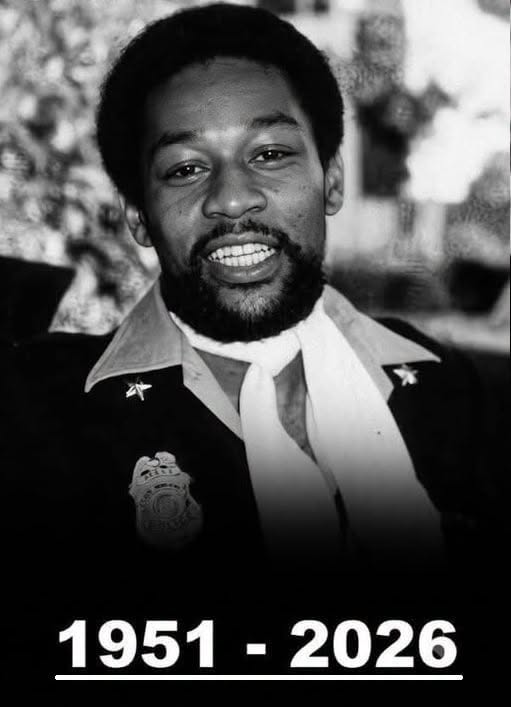
He made the whole world spell three letters on the dance floor. Then, quietly, he slipped away. Victor Willis, the powerful voice behind “Y.M.C.A.” and “Macho Man,” died at 74 after spending years battling not only personal struggles and exile from the spotlight, but also an industry he believed had failed to properly recognize what he created.
For generations, millions knew the songs even if they didn’t immediately know the man singing them. The opening notes were enough to fill dance floors, bring crowds to their feet, and send arms into the air forming four familiar letters.
But behind those joyful songs was a far more complicated story.
Willis fought through addiction, years away from the group, disputes over songwriting rights, and the painful experience of watching music he helped create continue becoming enormously successful while his own role was sometimes overlooked.
He eventually fought his way back—not simply to the stage, but to his songs, his credit, and the legacy he believed belonged to him.
He was always more than the man in the police cap.
Victor Willis was a driving creative force behind some of the Village People’s biggest hits, co-writing and delivering the commanding lead vocals that helped transform unusual disco records into cultural landmarks.
“Y.M.C.A.” became almost impossible to contain within a single generation. It traveled from discos into stadiums, weddings, school dances, sporting events, parties, and city streets around the world.
“Macho Man” became another instantly recognizable anthem.
And Willis’s unmistakable voice was at the center of both.
When the spotlight eventually moved on, however, the business behind those songs remained. Contracts, publishing agreements, songwriting credits, and ownership suddenly mattered in ways applause never could.
Willis came to understand how complicated the relationship between creativity and ownership could become when a song grew far beyond anyone’s original expectations.
His personal life also entered a difficult period.
He disappeared from the public image most fans remembered, struggling through years of turmoil while the songs continued playing everywhere without him.
There was something almost surreal about it.
“Y.M.C.A.” remained a worldwide celebration—played at parties where thousands smiled and danced together—while the voice that had helped make it famous was living through a much darker chapter.
Yet Willis’s story did not end there.
Eventually, he came back.
And his return wasn’t merely nostalgic.
Through an important legal battle over copyright termination rights, Willis successfully reclaimed significant ownership interests connected to songs he had helped write. It was a victory that carried meaning far beyond money.
It meant recognition.
It meant having his contribution formally connected again to music that had never stopped traveling around the world.
Then, in 2017, Willis returned to performing with Village People, stepping back into a role that millions had associated with his voice decades earlier.
Only this time, he returned with something he had spent years fighting to recover: greater control over his own legacy.
He sang those familiar choruses again before audiences containing people who had grown up with the songs—and younger fans who had discovered them decades later.
That may be one of the strangest gifts of creating a truly enduring song.
The person who records it grows older. The world changes. Musical styles disappear and return. Generations come and go.
But the song keeps playing.
Willis performed almost to the end, able to watch new generations dance to music he had helped create so many years before.
For many listeners, “Y.M.C.A.” will always mean raised arms, laughter, crowded dance floors, and four letters everyone somehow knows exactly when to spell.
Behind those letters, however, was a songwriter and singer who spent years fighting to make sure the world remembered that his contribution mattered.
His journey was complicated—filled with enormous success, painful setbacks, personal struggles, legal battles, and ultimately a return to the music that had never really left him.
And that may be the most fitting legacy of all.
The singer can eventually leave the stage.
The lights can go dark.
But when a song becomes part of people’s lives, the joy it carries can continue long after the final applause.