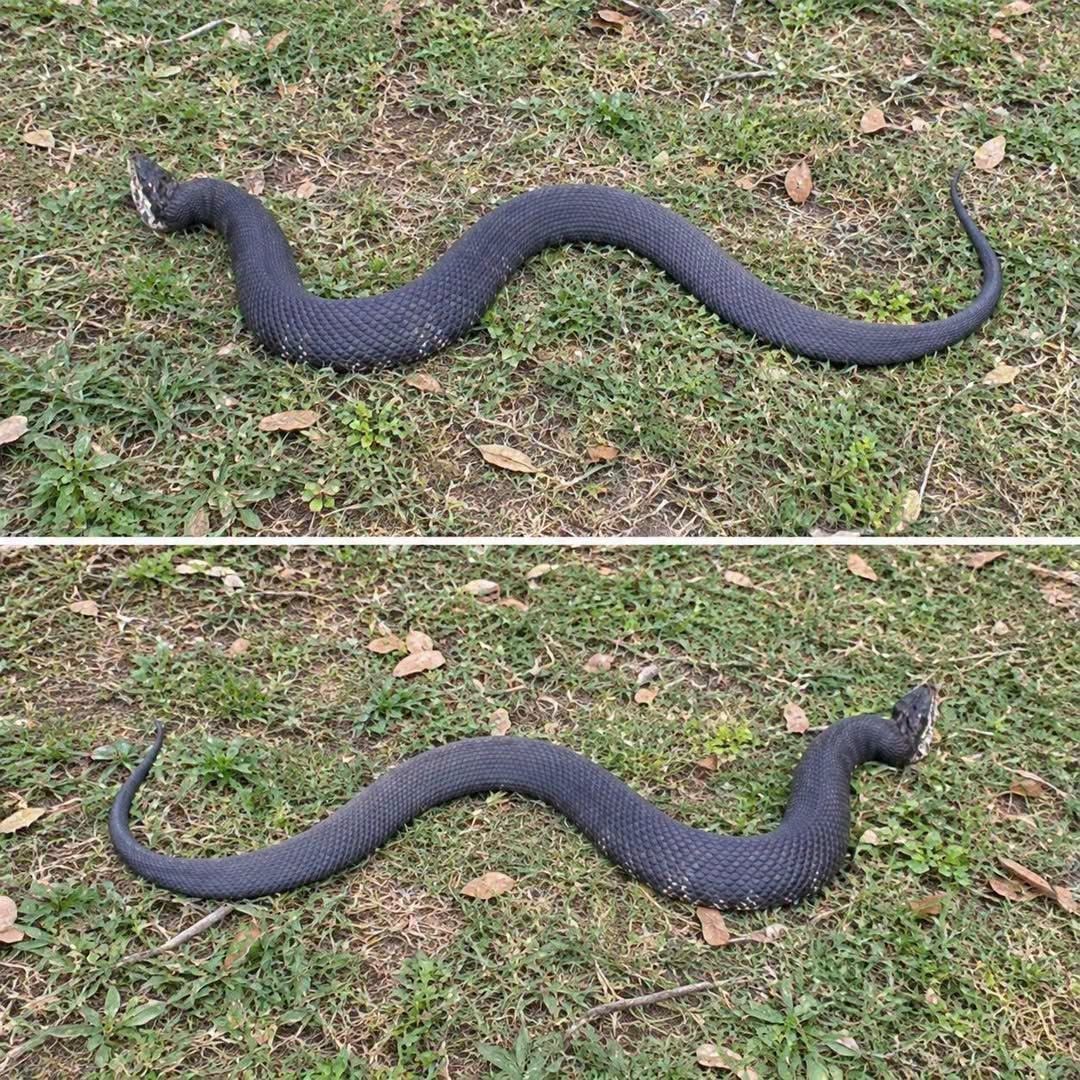
A copperhead snake bite can turn an ordinary walk through the woods into a frightening medical emergency within seconds. These snakes are masters of camouflage, often blending almost perfectly into fallen leaves, dry branches, and woodland ground. Someone enjoying a peaceful afternoon outdoors might not notice one until it is too late. A sudden movement, an accidental step, or disturbing the snake’s hiding place can trigger a defensive strike. And once a bite happens, one of the most important questions is whether venom has actually entered the body.
Eastern copperheads are among the snakes that people are most likely to encounter in parts of the United States. Their distinctive copper-colored heads and hourglass-shaped markings help identify them, but their appearance can be surprisingly difficult to distinguish from the surrounding environment. During autumn, when fallen leaves cover the forest floor, spotting one can become especially challenging. They often remain motionless, relying on their natural camouflage to avoid being noticed by people and other potential threats.
Most copperhead encounters happen accidentally. A person may reach beneath a pile of leaves, move a piece of wood, step over a fallen branch, or walk through an area where the snake is resting. Unlike the frightening image many people have of snakes aggressively chasing humans, copperheads generally strike as a defensive reaction when they feel threatened or cannot escape. Their goal is usually to protect themselves rather than pursue someone.
One particularly important detail about copperhead bites is that not every strike injects venom. Some bites are considered dry bites, meaning the snake strikes without delivering a significant amount of venom. However, there is absolutely no reliable way for someone at the scene to determine whether a bite was dry simply by looking at the wound. Assuming that no venom was injected can be a dangerous mistake, especially during the first minutes after an encounter.
When venom is injected, symptoms can develop quickly and may become increasingly uncomfortable. Severe pain, swelling, bruising, and discoloration around the bite are among the common signs. In some cases, swelling spreads beyond the immediate area, while the affected skin and surrounding tissues can experience significant injury. People may also develop nausea, weakness, dizziness, or other symptoms that require medical attention.
Although deaths from copperhead bites are uncommon, the injuries should never be underestimated. The amount of venom, the location of the bite, the person’s age and general health, and the body’s response can all influence how serious the situation becomes. Even when someone initially feels relatively well, symptoms can change as time passes. This is why every suspected copperhead bite requires immediate evaluation by emergency medical professionals.
If someone is bitten, the first priority is to move away from the snake without putting themselves in further danger. Call emergency services immediately and explain that a venomous snake bite is suspected. Avoid unnecessary walking or movement, because keeping the affected person as still and calm as possible can help limit additional complications while medical assistance is on the way.
If the bite is on an arm or leg, keep the affected limb still and in a comfortable position. Remove rings, watches, bracelets, or tight clothing before swelling becomes more pronounced. A bite can cause the surrounding area to swell considerably, and objects that fit comfortably before the injury may become dangerously restrictive afterward.
There are also several things people should never attempt when dealing with a suspected venomous snake bite. Cutting the wound, trying to suck out venom, applying ice, or using a tight tourniquet can make the injury worse. These methods have been promoted in old survival advice and popular stories, but they are not recommended medical treatments. Attempting to capture or kill the snake is equally dangerous, as it creates another opportunity for someone to be bitten.
Instead, medical professionals need to assess the injury and monitor how symptoms develop. At the hospital, doctors can examine the affected area, evaluate the extent of swelling and tissue damage, and perform additional tests when necessary. They will determine whether antivenom treatment is appropriate based on the patient’s symptoms and clinical condition. Not every copperhead bite requires antivenom, but deciding whether it is necessary is a medical decision that should never be made at home.
Knowing how to avoid copperhead encounters is equally important, particularly for people who regularly hike, camp, garden, or spend time in wooded areas. Wearing sturdy closed-toe shoes and long pants can provide additional protection. Watching where you place your hands and feet, especially around rocks, fallen logs, and piles of leaves, can also reduce the risk of accidental contact.
Using a flashlight when walking outdoors at night is another sensible precaution. Copperheads may be difficult to see in low-light conditions, and approaching an area without checking the ground can increase the chances of an unexpected encounter. If you notice a snake, give it plenty of space and allow it to move away naturally. Never attempt to handle one, even if it appears motionless or harmless.
The most important lesson is that a copperhead bite should never be treated as a minor inconvenience or something to manage with homemade remedies. Even when the initial wound appears small, the potential effects of venom can develop over time. Recognizing the danger, seeking emergency medical care, and avoiding dangerous first-aid methods can make a significant difference.
A peaceful walk in the woods should never end in tragedy because someone underestimated a snake bite. Staying alert, respecting wildlife, and knowing what to do during an emergency are among the best ways to protect yourself and the people around you.