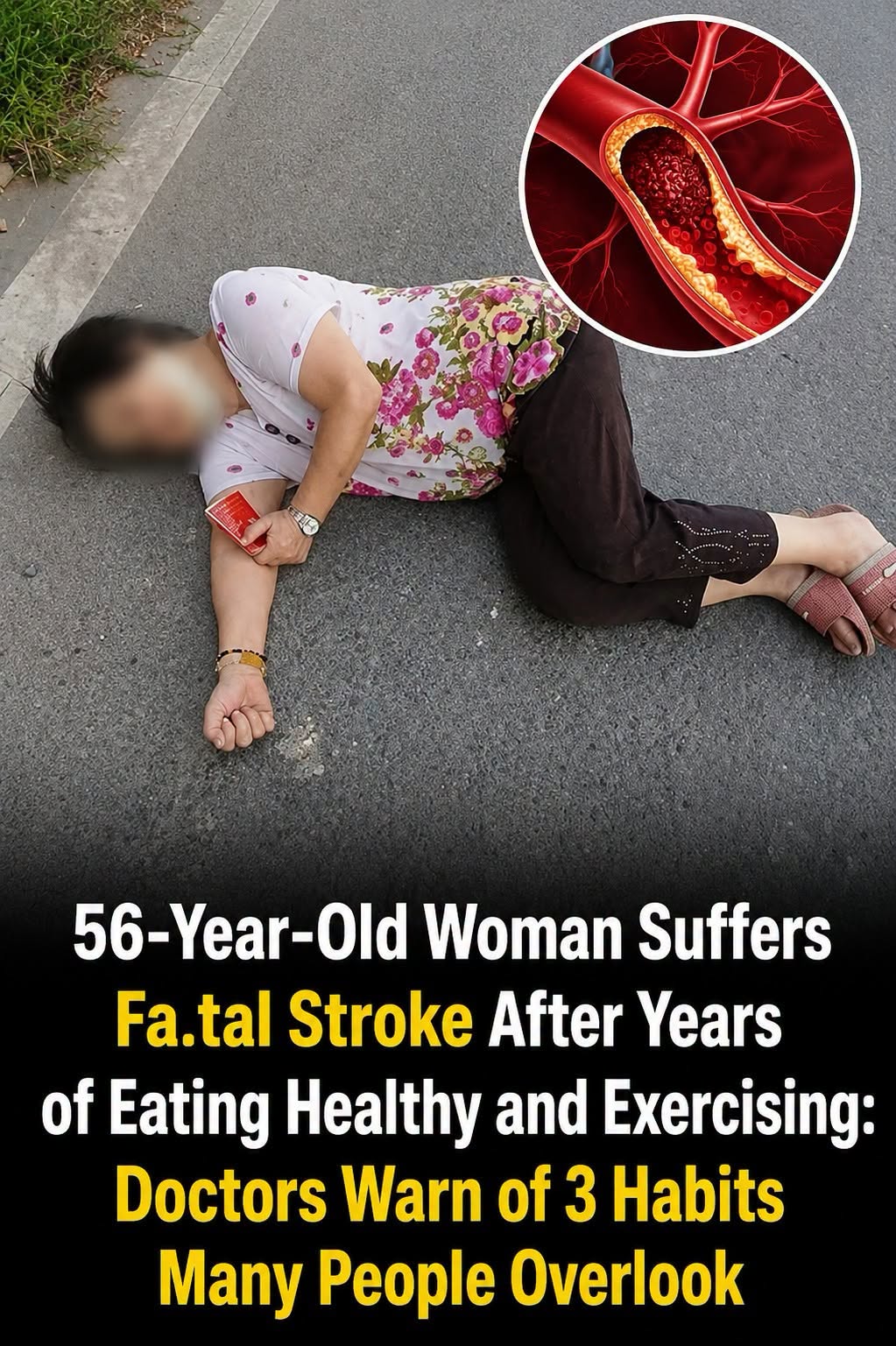
She appeared to be the picture of good health—a 56-year-old woman who exercised regularly, followed a balanced diet, and maintained healthy daily habits. Friends and family never imagined she would experience a life-threatening medical emergency. Yet her life was tragically cut short by a massive stroke, reminding us that even people who seem healthy can face serious cardiovascular conditions. Her story highlights the importance of looking beyond lifestyle alone and recognizing that some risk factors remain hidden without proper medical evaluation.
Many people grow up believing that eating nutritious foods and staying physically active are enough to prevent serious illness. While these habits are essential for overall health, they cannot eliminate every potential risk. Stroke can develop because of a combination of factors, including age, genetics, underlying medical conditions, and lifestyle influences. Some of these risks produce few or no noticeable symptoms until an emergency occurs.
One commonly overlooked factor is excessive sodium intake. Even people who rarely add salt to their meals may consume significant amounts through processed foods, canned products, sauces, packaged snacks, restaurant meals, and certain breads. Over time, consistently high sodium intake can contribute to elevated blood pressure, one of the leading risk factors for stroke. Reading nutrition labels and choosing lower-sodium options can help reduce this risk.
Another important consideration is overall nutritional balance. Heart and blood vessel health depends on more than simply avoiding unhealthy foods. Diets rich in fruits, vegetables, whole grains, legumes, nuts, and healthy fats—including omega-3 fatty acids found in fish such as salmon and mackerel—provide nutrients that support cardiovascular health. A varied diet helps maintain healthy blood vessels and supports normal heart function over the long term.
Sleep and hydration are also frequently underestimated. Consistently getting too little sleep has been associated with increased risks of high blood pressure, heart disease, and stroke. Likewise, staying adequately hydrated supports normal circulation and overall bodily function. While hydration alone cannot prevent stroke, maintaining healthy daily habits contributes to overall cardiovascular well-being.
Perhaps the most important lesson from stories like this is that feeling healthy does not always mean every health marker is within a safe range. Conditions such as high blood pressure, elevated cholesterol, diabetes, and certain heart rhythm disorders often develop silently, producing few noticeable symptoms. Routine medical checkups and recommended screenings allow healthcare providers to identify these conditions early, when treatment can significantly reduce the risk of future complications.
Recognizing the warning signs of a stroke is equally important. Sudden weakness or numbness on one side of the body, facial drooping, difficulty speaking or understanding speech, sudden vision changes, severe dizziness, loss of balance, or an abrupt, unusually severe headache all require immediate emergency medical attention. Rapid treatment can greatly improve outcomes and reduce the likelihood of permanent disability.
This story is not meant to discourage healthy living but rather to emphasize that wellness involves more than exercise and diet alone. Managing blood pressure, monitoring cholesterol, getting adequate sleep, staying hydrated, avoiding tobacco, limiting excessive alcohol, controlling chronic medical conditions, and attending regular medical appointments all contribute to reducing stroke risk. While no lifestyle can eliminate every possibility, combining healthy habits with preventive healthcare offers the strongest protection.
Ultimately, the loss of this woman serves as a powerful reminder that health should never be taken for granted. Caring for your body means paying attention not only to daily habits but also to routine medical care, family history, and changes that may seem minor at first. Staying informed, recognizing warning signs, and seeking timely medical attention when something feels wrong can make a life-saving difference.