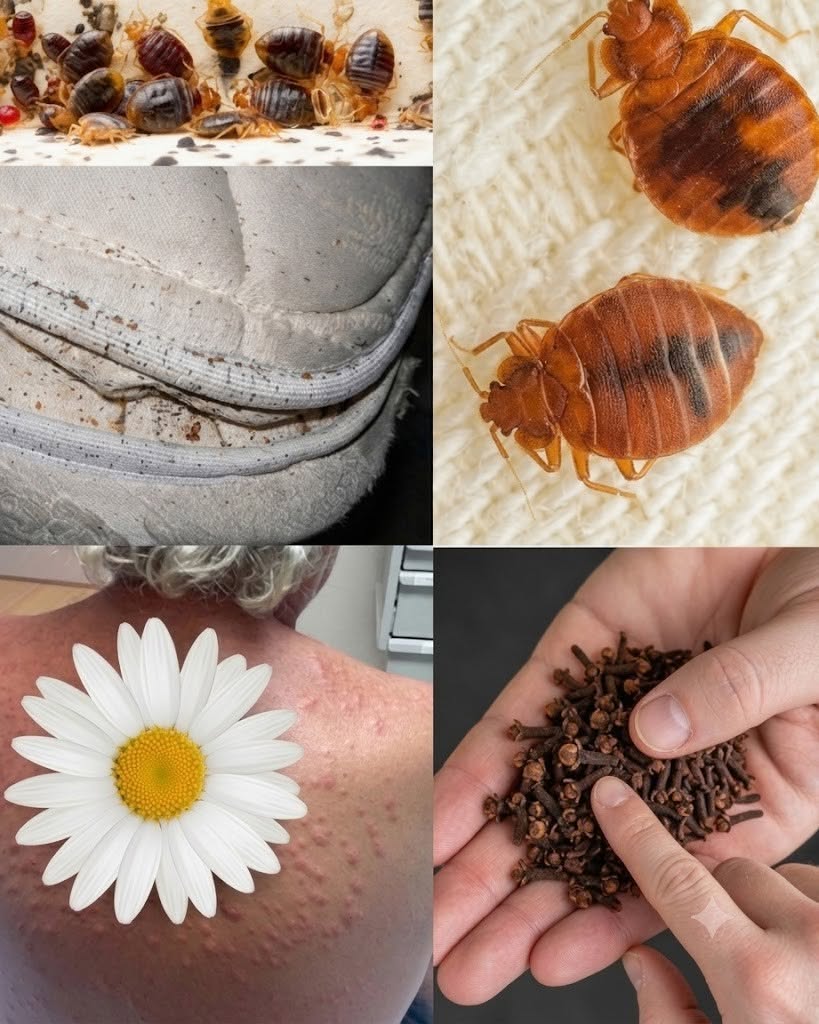
Your bed is supposed to be the safest place in your home—a space where you can relax, recharge, and sleep peacefully. But hidden deep within mattress seams, bed frames, and tiny cracks, there may be unwelcome guests waiting until nightfall to emerge. If you’ve been waking up with itchy bites or unexplained skin irritation, the cause may be more than dry skin or allergies. Bed bugs are persistent household pests that can invade even the cleanest homes, and recognizing the warning signs early is essential to preventing a much larger infestation.
Bed bugs, scientifically called *Cimex lectularius*, are small, flat insects that feed on human blood while people sleep. Although they are not known to spread diseases, they can cause itchy bites, allergic reactions, anxiety, and significant stress. Their flat bodies allow them to hide in incredibly narrow spaces, including mattress seams, furniture joints, headboards, electrical outlets, and tiny cracks in walls. They can also survive for several months without feeding, making them especially difficult to eliminate once they become established.
One of the earliest clues is the appearance of itchy, red bite marks, often grouped together or arranged in straight lines. These bites commonly appear on exposed skin such as the arms, neck, shoulders, face, or legs. If you notice these symptoms, carefully inspect your bedding and mattress. Small rust-colored blood stains, dark specks resembling pepper, shed insect skins, or tiny cream-colored eggs around mattress seams and bed frames are all strong indicators that bed bugs may be present.
A common misconception is that bed bugs only appear in dirty or poorly maintained homes. In reality, cleanliness has very little to do with an infestation. These insects travel by hitchhiking inside luggage, backpacks, clothing, used furniture, and even moving boxes. Apartment buildings, hotels, dormitories, and public transportation can all become sources of exposure. Even the cleanest home can become infested after a single trip or the purchase of second-hand furniture that wasn’t thoroughly inspected.
If you discover bed bugs, acting quickly is important. Heat remains one of the most effective methods for killing both adult bugs and their eggs. Wash all bedding, clothing, curtains, and washable fabrics using the hottest water recommended for the fabric, then dry everything on high heat for at least thirty minutes. Items that cannot be washed may still be treated in a dryer if they can safely tolerate high temperatures.
Vacuuming also plays an important role in reducing the population. Thoroughly vacuum mattress seams, bed frames, furniture, carpets, baseboards, and cracks where insects may hide. Once finished, immediately empty the vacuum contents into a sealed plastic bag and dispose of it outside your home. In apartment buildings or larger infestations, neighboring units may also require treatment because bed bugs can travel through walls, ceilings, and utility openings.
While countless home remedies circulate online, many provide little lasting success. Essential oils may temporarily repel insects but rarely eliminate hidden colonies, while alcohol sprays can create serious fire hazards without solving the problem. When an infestation persists despite careful cleaning and laundering, professional pest control is usually the most effective solution. Licensed exterminators often combine specialized insecticides, heat treatments, monitoring devices, and follow-up inspections to completely eliminate the infestation.
Prevention is always easier than treatment. When staying in hotels, inspect the mattress seams, headboard, and nearby furniture before unpacking. Keep luggage on a luggage rack rather than placing it directly on the bed or carpet. After returning home from travel, wash and dry your clothing on high heat as soon as possible. Before bringing second-hand furniture into your home, carefully examine every seam, crack, and joint for any evidence of bed bugs.
Although bed bugs can be frustrating and emotionally exhausting, they can be eliminated with early detection, proper cleaning, and appropriate treatment. Remaining alert to the warning signs, using heat effectively, inspecting your home regularly, and seeking professional assistance when necessary are the best ways to protect your home and restore peaceful, worry-free sleep.