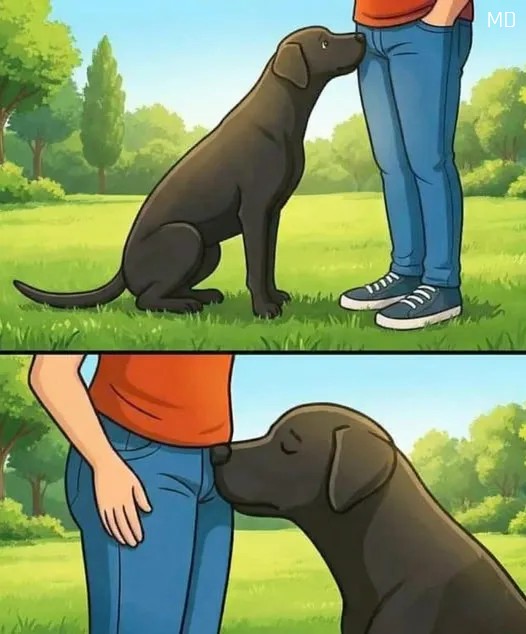
Being a responsible and caring dog owner involves much more than providing food, water, and a comfortable place to sleep. True companionship begins with understanding how dogs perceive the world and communicate with the people around them. While humans rely heavily on vision, dogs experience life primarily through their extraordinary sense of smell. This remarkable ability influences how they identify people, investigate unfamiliar environments, and establish trust. When owners take the time to understand these natural instincts, they create stronger relationships built on patience, respect, and mutual understanding.
### Why Dogs Love to Sniff
One behavior that often catches people off guard is a dog’s tendency to greet someone by sniffing them. Although this can feel awkward from a human perspective, it is completely natural for dogs. Their noses are incredibly powerful, containing hundreds of millions of scent receptors that allow them to gather information far beyond human capability. Through a simple sniff, dogs can learn who a person is, whether they have met them before, and even detect subtle changes in their emotional state. What may appear strange or intrusive to us is simply a dog’s version of introducing themselves and collecting important information.
### Scent: A Dog’s Primary Language
Unlike humans, dogs do not depend on spoken language to understand their surroundings. Instead, scent acts as their primary communication system. By sniffing, they can recognize familiar individuals, detect changes in their environment, and better understand what is happening around them. Once owners realize that this behavior is driven by curiosity rather than bad manners, it becomes easier to respond calmly and appropriately. This understanding reduces stress for both the dog and the people interacting with them, creating more positive social experiences.
### The Science Behind the Behavior
A major reason dogs rely so heavily on scent is their ability to detect pheromones and other chemical signals that humans cannot perceive. Every person naturally releases these invisible markers, which provide dogs with valuable information. Through scent alone, a dog may gather clues about where someone has been, what they have eaten, and even how they are feeling emotionally. This sensitivity explains why some dogs immediately warm up to certain people while remaining cautious around others. They are constantly evaluating their environment and determining who feels safe and trustworthy.
Dogs also possess a specialized structure known as the vomeronasal organ, located near the roof of the mouth. This additional sensory system helps them process chemical information more effectively, allowing them to detect hormones and pheromones with remarkable accuracy. Combined with their powerful noses, it gives dogs an incredibly detailed understanding of the people and animals around them.
### Teaching Good Social Manners
While sniffing is completely natural, training helps dogs learn how to interact politely in different situations. Teaching commands such as “sit,” “stay,” or “leave it” provides owners with tools to guide their dogs during greetings. Rewarding calm and controlled behavior encourages positive habits without discouraging natural curiosity. The objective is not to stop dogs from exploring their environment but to help them do so in a way that is comfortable for everyone involved.
### Patience Makes the Difference
Developing good manners takes time and consistency. When a dog becomes overly enthusiastic while greeting a visitor, owners can gently redirect their attention toward a toy, treat, or command. Positive reinforcement teaches the dog that calm behavior leads to rewards. Over time, this approach helps dogs become more confident and balanced while maintaining their natural desire to investigate the world around them. Every successful interaction strengthens trust between the dog and its owner.
### Seeing the World Through Your Dog’s Eyes
Understanding how dogs experience life can dramatically improve the relationship you share with them. The next time your dog leans forward to sniff a guest, remember that they are not being rude—they are gathering information in the most natural way they know. By respecting these instincts while providing gentle guidance, owners create an environment where dogs feel secure, understood, and valued. This combination of understanding and training leads to a deeper bond and a happier life for both humans and their canine companions.