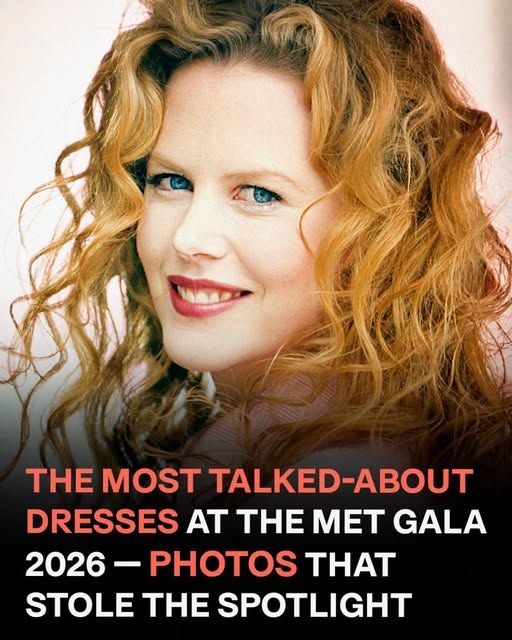
The theme “Fashion Is Art” at the 2026 Met Gala pushed several designs into purposefully theatrical terrain rather of usual red-carpet elegance, and the event definitely veered toward spectacle. Because of this, opinions have been so divided; some see it as a high-concept costume design, while others see it as confusing or excessively abstract styling.
A few noteworthy individuals soon attracted attention. With a naked illusion Mugler gown painted with multicolored brushstrokes, Emma Chamberlain created a work of art that is practically a “wearable canvas,” fitting the subject. Lauren Wasser, on the other hand, kept things sharp and sculptural with her Prabal Gurung design, and the conversation surrounding her ensemble demonstrates how misconceptions still permeate Met Gala fashion when it comes to activism and disability representation.
In terms of sculpture, Lena Mahfouf and Heidi Klum both ventured into the realm of “living installations,” one with bizarre metallic body shapes and the other with latex and spandex illusion work that leaned toward classical statue allusions. These are the kinds of looks that tend to divide audiences right away since they prioritize ideas over traditional beauty.
There was still the traditional glamour camp. Nicole Kidman reminded us that “interpretation of theme” doesn’t have to mean giving up elegance with her elegant Chanel moment in deep crimson with feathers and sequins. And then there are Madonna and Cher, who, at this point, essentially approach the Met Gala as an ongoing personal art project, one based in conceptual drama and the other in archival attitude (the ship-like headgear alone assures argument).
Beyoncé’s homecoming was the most talked-about, though, as her crystal skeletal gown leaned into anatomy-as-design in a way that organically draws attention. It appears that this causes the same division each year: praise for the craftsmanship on the one hand, and “what am I looking at?” on the other.
All things considered, this year’s carpet illustrates a well-known tension at the Met Gala: the more designers strive for “art,” the more the ensembles cease to be straightforward fashion statements and begin to act more like interpretations that need justification. People are fighting over meaning rather than merely responding to clothing, which is precisely what maintains the event culturally sticky.