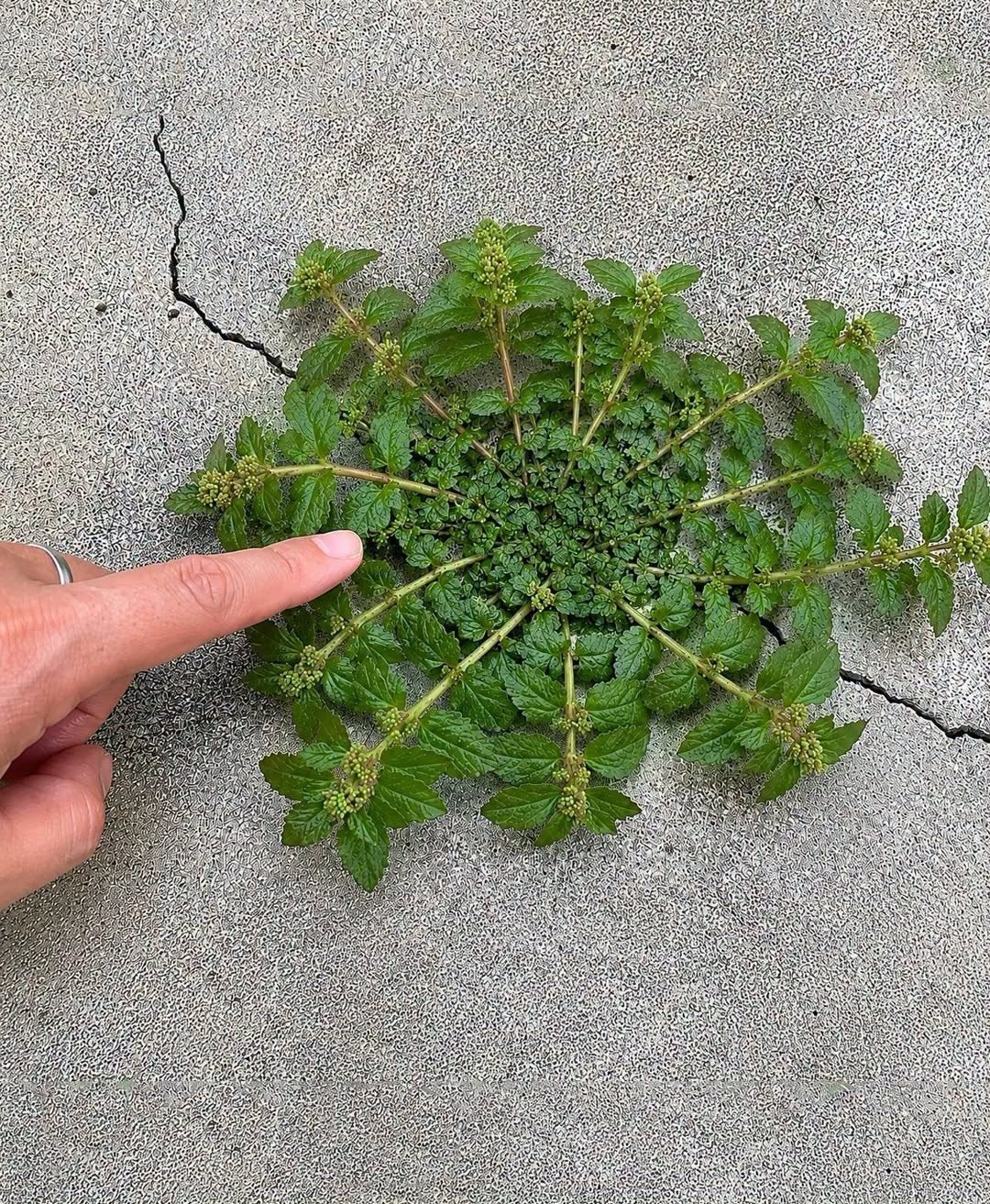
You have probably walked past this so-called “worthless” weed countless times without ever realizing that beneath your feet grows one of nature’s most remarkable medicinal plants. While many homeowners and gardeners go to great lengths to remove it from their yards, others recognize it as a valuable herbal resource with a history stretching back centuries. Far from being just another invasive plant, this modest herb has earned a reputation in traditional medicine as a powerful natural remedy. Hidden within its small leaves and delicate stems lies a legacy of healing that has made it an important part of folk medicine across the world.
Scientifically known as Euphorbia hirta and commonly referred to by names such as asthma weed, snake weed, or pill-bearing spurge, this plant often goes unnoticed because of its simple appearance. It is a low-growing annual herb that rarely grows very tall, featuring reddish-purple stems, opposite leaves with serrated edges, and a distinctive milky sap that appears when the plant is broken. Its ability to thrive almost anywhere is one of its most remarkable traits. Whether growing through cracks in sidewalks, along roadsides, in abandoned lots, or near cultivated farmland, Euphorbia hirta adapts with ease. Its resilience and rapid growth have helped it spread throughout tropical and subtropical regions around the globe.
For centuries, traditional healers in Asia, Africa, and the Americas have valued this plant as a versatile natural remedy. Rather than viewing it as a nuisance, they have regarded it as a source of numerous therapeutic benefits. Nearly every part of the plant—including the roots, stems, leaves, and flowers—has been used in various medicinal preparations. Modern scientific studies have identified several biologically active compounds within Euphorbia hirta, including flavonoids, tannins, alkaloids, and saponins. These substances are believed to contribute to the plant’s traditional reputation for supporting respiratory health, fighting inflammation, and helping the body respond to certain infections.
One of the plant’s most widely recognized traditional uses relates to respiratory conditions, which is why it became known as “asthma weed.” For generations, people have turned to it when dealing with symptoms associated with asthma, bronchitis, persistent coughs, and other breathing difficulties. Traditional preparations often involve boiling the leaves and stems to create an herbal decoction. This tea has long been used in folk medicine to help ease breathing discomfort and support respiratory function. In many rural areas where access to modern medical treatments was limited, remedies made from Euphorbia hirta served as an important part of community healthcare practices.
The plant has also played a significant role in traditional digestive remedies. Herbal practitioners have commonly used it to address conditions such as diarrhea, dysentery, stomach discomfort, and intestinal irritation. Its tannin content is believed to contribute to its traditional use by helping support tissue health and reduce excessive fluid loss. In various cultures, the plant has been used as part of cleansing remedies intended to soothe digestive disturbances and promote gastrointestinal balance. Additionally, it has a long history of use as a natural diuretic, supporting the body’s elimination processes and encouraging healthy urinary function.
Euphorbia hirta’s usefulness extends beyond internal wellness and into the realm of skin care. Long before the development of modern creams and antiseptic products, people relied on the plant to help manage minor skin concerns. Traditional applications included the use of crushed leaves or plant extracts on rashes, boils, insect bites, fungal conditions, and small wounds. By applying the prepared plant material directly to the affected area, users hoped to benefit from its natural antibacterial and soothing properties. These topical applications became common in communities where herbal medicine formed the foundation of everyday healthcare.
Despite its long history of traditional use, Euphorbia hirta should be approached with caution. Because it contains active compounds, excessive consumption may lead to unwanted effects such as stomach discomfort, nausea, or vomiting. The plant’s milky sap can also irritate sensitive skin and may cause significant discomfort if it comes into contact with the eyes. Particular caution is advised for pregnant women, as traditional sources have long warned against its use during pregnancy due to concerns about its potential effects on uterine activity. Like many medicinal plants, Euphorbia hirta demonstrates that natural remedies can offer valuable benefits, but they should always be used responsibly, with proper knowledge and respect for their potential risks and limitations.