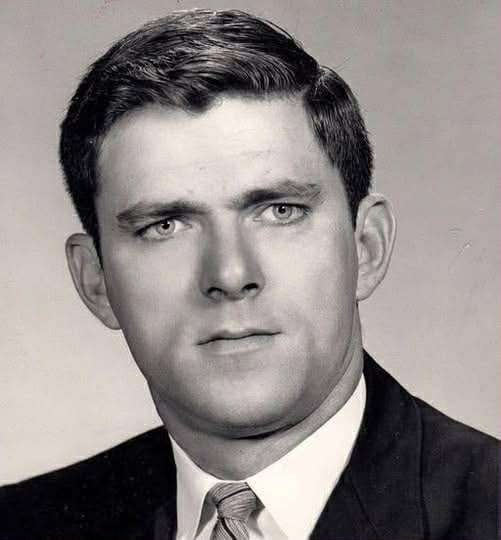
Modern media is often described as fragmented, dominated by algorithms and echo chambers that separate audiences rather than connect them. Yet there was a time when one television figure managed to turn the screen into something closer to a shared public square. Phil Donahue, with his distinctive presence and pioneering format, transformed daytime television into a space where ordinary people could confront complex social issues together. In an era before social media debates and viral outrage, he created a platform that encouraged real-time dialogue, uncomfortable questions, and the possibility of changing one’s mind simply by listening.
Donahue was more than a talk show host; he reshaped what a talk show could be. At a time when daytime TV was largely focused on light entertainment and domestic segments, he recognized that his audience wanted something deeper. He brought the microphone away from the stage and into the audience itself, allowing everyday individuals to speak directly, challenge experts, and share personal experiences on air. This shift fundamentally altered the power dynamic of television, turning passive viewers into active participants in public discourse.
What made his format so compelling was its unpredictability. Everything happened live, with minimal filtering or editing. There were no scripted responses for audience members, which meant conversations could evolve in unexpected and sometimes uncomfortable directions. Donahue did not aim to create a perfectly safe environment; instead, he prioritized honesty. His shows often explored controversial topics such as feminism, war, civil rights, and public health crises, always with an emphasis on open questioning rather than polished conclusions.
His presence on stage was equally distinctive. He moved constantly through the studio, engaging directly with audience members, listening closely, and encouraging participation from every corner of the room. Rather than positioning himself as an unquestionable authority, he often acted as a mediator or curious participant. This approach allowed him to connect individual stories with broader societal issues, revealing how personal experiences were often tied to larger political and cultural systems. In doing so, he made complex topics more accessible while also giving emotional weight to abstract debates.
Beyond entertainment value, Donahue’s work had a significant cultural impact. He provided a national platform for voices that were often excluded from mainstream media, including activists, marginalized individuals, and people sharing difficult personal truths. His show became a rare space where disagreement was not only expected but encouraged, reinforcing the idea that democracy depends on open expression and respectful confrontation of differing views.
Compared to today’s media environment, driven by algorithms, rapid reactions, and polarized commentary, the Donahue model feels increasingly rare. He valued curiosity over certainty and was not afraid to be challenged or corrected on air. That humility created a sense of authenticity that is difficult to replicate in heavily produced modern formats. His work suggested that the strength of a conversation lies not in who dominates it, but in who is willing to ask the hardest questions and listen to uncomfortable answers.
In the end, Phil Donahue’s legacy is rooted in connection. He created a space where strangers could speak to one another directly, where disagreement could exist without destruction, and where being heard mattered as much as being right. His contribution was not just to television, but to public life itself—a reminder that dialogue, when done honestly, has the power to expand understanding rather than narrow it.