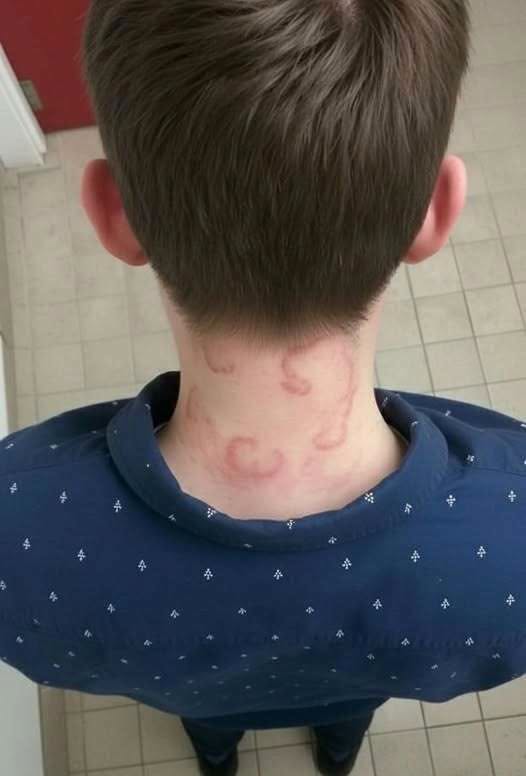
You glance down at your arm and notice an angry, red, circular patch that seems to have appeared overnight. At first, it looks harmless—perhaps an insect bite, an allergic reaction, or irritation from a new soap. But over the next few days, the redness slowly spreads outward while the center begins to clear, creating a ring-like pattern that itches relentlessly. What many people dismiss as a minor skin problem can actually be a fungal infection that continues to grow if left untreated. The earlier you recognize the warning signs, the easier it is to stop the infection before it spreads to other parts of your body or to the people around you.
Fungal skin infections are among the most common health conditions worldwide. The fungi responsible for these infections naturally exist in our environment and even on our skin without causing harm. Under normal conditions, the body’s immune system and healthy skin barrier keep these microorganisms under control. However, when conditions become warm, moist, or favorable for fungal growth, these harmless organisms can multiply rapidly and trigger an infection. Sweating, humid weather, tight clothing, poor ventilation, or a weakened immune system can all create the perfect environment for fungi to thrive.
One of the most recognizable fungal infections is ringworm, medically known as tinea. Despite its name, ringworm has absolutely nothing to do with worms. It is caused by a group of fungi called dermatophytes that feed on keratin, the protein found in skin, hair, and nails. The infection usually appears as a red, circular rash with a slightly raised border and a clearer center, giving it the appearance of a ring. As the fungus grows outward, the affected area becomes increasingly itchy and irritated.
Ringworm can develop almost anywhere on the body, but its appearance varies depending on the location. When it affects the arms, legs, chest, or back, it is called tinea corporis. On the scalp, the infection is known as tinea capitis and may lead to patches of hair loss, scaling, and tenderness, especially in children. When fungi invade the feet, the condition becomes athlete’s foot, or tinea pedis, often causing peeling skin, itching, burning, and cracks between the toes. If the infection reaches the nails, it develops into onychomycosis, making nails thick, brittle, yellow, and difficult to trim.
Another common fungal infection is candidiasis, which is caused by Candida yeast. Unlike ringworm, Candida prefers warm skin folds where moisture tends to collect. Areas beneath the breasts, under the arms, in the groin, between skin folds, and around the genitals are particularly vulnerable. The infection often produces bright red, irritated skin accompanied by burning, itching, and small surrounding bumps. Babies frequently develop Candida diaper rash, while adults may experience recurring infections during periods of high humidity or after prolonged antibiotic use.
These infections spread much more easily than many people realize. Direct skin-to-skin contact with an infected individual can transmit fungi quickly. Household pets, particularly cats, dogs, and farm animals, may also carry fungal spores without showing obvious symptoms. Sharing towels, clothing, hats, hairbrushes, shoes, bedding, or sports equipment further increases the risk of infection. Public places such as swimming pools, locker rooms, gyms, communal showers, and changing rooms are well-known environments where fungal spores can survive on damp surfaces for long periods.
Certain individuals face a greater risk of developing fungal infections. People with diabetes, weakened immune systems, obesity, excessive sweating, poor circulation, or chronic skin conditions are often more susceptible. Athletes who spend hours in sweaty clothing or individuals whose jobs require wearing heavy boots throughout the day may also experience repeated fungal infections due to prolonged exposure to warm, moist conditions.
The symptoms often begin subtly before becoming more noticeable. Persistent itching is usually one of the earliest signs, followed by redness, scaling, peeling skin, or a burning sensation. As the infection spreads, the edges of the rash become more defined, while the center may appear healthier than the surrounding skin. Nail infections often progress slowly, causing discoloration, thickening, crumbling edges, and sometimes complete separation of the nail from the nail bed. Because fungal infections can resemble eczema, psoriasis, or allergic reactions, many people unknowingly delay proper treatment.
Fortunately, most mild fungal infections respond well to over-the-counter antifungal medications. Creams, sprays, powders, and gels containing ingredients such as clotrimazole, terbinafine, miconazole, or ketoconazole are commonly recommended. Consistent treatment is essential, even after symptoms begin to disappear. Many infections return because medication is stopped too early, allowing small amounts of fungus to survive and begin growing again.
More severe infections require prescription treatment. Scalp infections usually need oral antifungal medication because topical creams cannot penetrate deeply enough into the hair follicles. Nail fungus is even more stubborn, often requiring several months of oral medication before healthy nail growth replaces the damaged nail. In some cases, doctors may recommend medicated nail lacquers or combine topical and oral therapies for better results.
Many people also explore natural remedies to help soothe symptoms. Tea tree oil contains compounds that have shown antifungal activity in laboratory studies, although it should always be diluted before being applied to the skin. Apple cider vinegar is another popular home remedy because of its acidic properties, though scientific evidence supporting its effectiveness remains limited. Garlic contains allicin, a natural compound with antifungal effects, while coconut oil may help moisturize irritated skin. Aloe vera gel can reduce inflammation and provide temporary relief from itching. Although these remedies may help some individuals, they should never replace medically recommended treatment for persistent or widespread infections.
Preventing fungal infections is often easier than treating them. Keeping your skin clean and completely dry after bathing is one of the most effective protective measures. Pay particular attention to areas between the toes, beneath skin folds, and around the groin. Wear breathable clothing made from moisture-wicking fabrics, especially during hot weather or exercise. Change sweaty socks and underwear promptly, and avoid remaining in damp clothing for long periods.
Never share personal items such as towels, shoes, razors, combs, hats, or nail clippers. If you regularly visit gyms or public pools, wear sandals or shower shoes to reduce contact with contaminated floors. Wash gym clothing, towels, and athletic gear after every use, and disinfect equipment whenever possible. If you own pets showing patches of hair loss or skin irritation, have them examined by a veterinarian since animals can unknowingly spread fungal infections to family members.
Supporting your immune system also plays an important role in preventing recurrent infections. Eating a balanced diet, managing chronic medical conditions, exercising regularly, sleeping well, and reducing stress all contribute to stronger immune defenses that help keep fungal organisms under control. Individuals who frequently develop athlete’s foot may benefit from using antifungal powders inside their shoes to reduce moisture throughout the day.
Although fungal infections are usually not dangerous, they should never be ignored if they continue spreading or fail to improve. Seek medical attention if the rash becomes painful, develops pus, covers large areas of the body, repeatedly returns after treatment, affects the scalp or nails, or occurs alongside fever or significant swelling. Early diagnosis allows treatment to begin before the infection becomes more difficult to eliminate.
Skin fungal infections may be common, but they are highly treatable when recognized early. Paying attention to unusual rashes, practicing good hygiene, avoiding unnecessary sharing of personal items, and seeking professional care when needed can prevent weeks or even months of discomfort. Your skin is your body’s largest protective barrier, and taking care of it today can help stop a small fungal infection from becoming a much larger problem tomorrow.