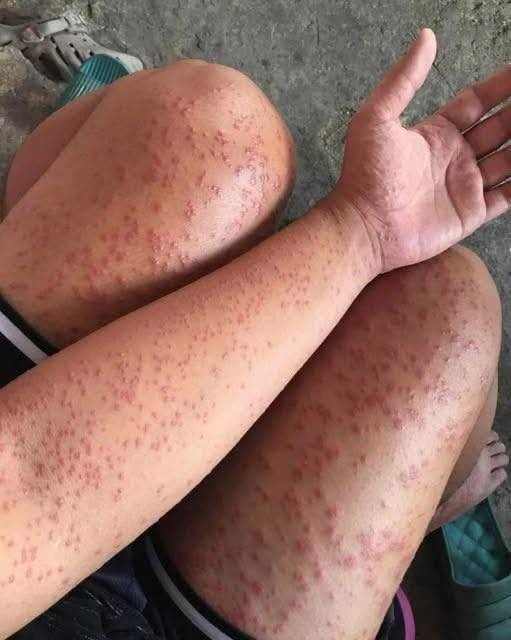
In the quiet environment of our homes, it is easy to think of the skin as nothing more than a protective outer layer—something that occasionally reacts with mild irritation, a few spots, or temporary redness that will fade on its own. Most of the time, that assumption is correct. A rash, a small bump, or slight swelling is often harmless and short-lived. But the human body also has a far more serious way of signaling internal danger, and in rare but critical cases, what looks like a simple skin reaction can actually be the first visible warning of a life-threatening emergency known as anaphylaxis.
Anaphylaxis is a severe, rapid allergic reaction that affects multiple systems in the body at once, most dangerously the respiratory and cardiovascular systems. In these situations, the skin often becomes the first place where the problem can be seen. A common early sign is urticaria, more widely known as hives. These appear as raised, red or pink welts that can spread quickly and cause intense itching, burning, or discomfort. While hives alone are often not dangerous, their appearance can take on a much more serious meaning when they occur alongside other symptoms.
The turning point comes when skin changes are accompanied by any sign of breathing difficulty. This might begin subtly—tightness in the chest, a feeling that breathing requires more effort than usual, or a scratchy sensation in the throat. In more severe cases, there may be wheezing, swelling of the lips or tongue, or a feeling that the airway is narrowing. These symptoms indicate that the reaction is no longer limited to the skin; the immune system is now actively affecting the airways and circulation. At the same time, symptoms such as dizziness, a rapid heartbeat, or confusion may appear as blood pressure begins to drop and oxygen delivery becomes compromised.
Triggers for this type of reaction vary widely and are often unpredictable. For some individuals, food allergens such as peanuts, shellfish, dairy, or eggs may be responsible. For others, medications like antibiotics or pain relievers can unexpectedly provoke a response. Insect stings, particularly from bees or wasps, are another well-known cause. One of the most challenging aspects of anaphylaxis is that many people are unaware they are sensitive to a substance until they experience a reaction for the first time.
A major danger in these situations is misinterpretation. Because early symptoms can resemble mild allergic reactions or skin irritation, people may underestimate the severity and delay seeking help. However, once breathing becomes affected, the situation can escalate very quickly. The airway can narrow significantly within minutes, and without intervention, this can progress to unconsciousness or cardiac arrest. Time is a critical factor, and hesitation can have serious consequences.
If anaphylaxis is suspected, immediate action is essential. Emergency medical services should be contacted right away. For individuals who have been previously diagnosed with severe allergies, the use of an epinephrine auto-injector (commonly known as an EpiPen) is the first-line response. Epinephrine works by rapidly reducing airway swelling, improving blood pressure, and counteracting the allergic response while waiting for emergency care. The person should remain as stable as possible, typically lying down with legs elevated unless breathing difficulties make another position more comfortable.
It is also important to distinguish between mild, localized skin reactions and systemic allergic emergencies. A small rash or isolated irritation without breathing symptoms is usually not dangerous. The key warning sign that changes everything is the involvement of the respiratory system or signs of circulatory distress. When skin symptoms and breathing difficulties occur together, it should always be treated as a medical emergency.
Ultimately, the skin can act as an early warning system for deeper issues occurring inside the body. While most rashes and irritations are harmless, there are rare situations where they signal something far more serious. Recognizing the combination of symptoms—especially hives paired with breathing changes—can make the difference between a manageable allergic reaction and a life-threatening emergency. Awareness, quick recognition, and immediate action are the most important tools in preventing tragedy when the body sends out its most urgent signals.