It may seem like nothing more than ordinary sweat or irritation from shaving, but brushing off persistent itching in the groin area could allow a much larger problem to develop. Every year, millions of people ignore redness, soreness, or inflamed skin in this sensitive part of the body because they assume it is harmless. In some cases, however, what appears to be a minor rash can signal a fungal infection, bacterial condition, allergic reaction, or even an underlying health concern that deserves medical attention. Understanding the possible causes—and knowing when to seek help—can prevent unnecessary discomfort and more serious complications.
Groin irritation is an extremely common condition that affects people of all ages, regardless of gender or lifestyle. Because this part of the body is naturally warm, enclosed, and often exposed to moisture, it creates an ideal environment for a variety of skin problems to develop. Although many people feel embarrassed discussing symptoms in such a private area, recognizing what is causing the irritation is the first step toward effective treatment and long-term skin health.
One of the most common causes is an ingrown hair. While many people view it as a minor inconvenience after shaving or grooming, an ingrown hair develops when the hair curls back into the skin instead of growing outward through the follicle. What starts as a small, itchy bump can become swollen, tender, and even filled with pus if bacteria enter the area. Tight clothing, repeated friction, and naturally coarse or curly hair can make the problem worse. Warm compresses may help reduce inflammation, while gentle exfoliation can remove dead skin that traps the hair. However, if ingrown hairs become frequent, increasingly painful, or repeatedly infected, it is important to consult a healthcare professional for proper evaluation and treatment.
Another common condition is folliculitis, which refers to inflammation or infection of the hair follicles. It is often caused by bacteria such as *Staphylococcus aureus*, although certain fungi can also trigger it. Shaving, excessive friction, contaminated hot tubs or swimming pools, and tight synthetic clothing may all contribute to its development. Folliculitis usually appears as clusters of small red bumps or white-headed pimples that may itch, burn, or become painful. Mild cases often improve with proper hygiene and antibacterial cleansers, while more severe infections may require prescription medications. Ignoring the condition can allow the infection to spread deeper into the skin, making treatment more difficult.
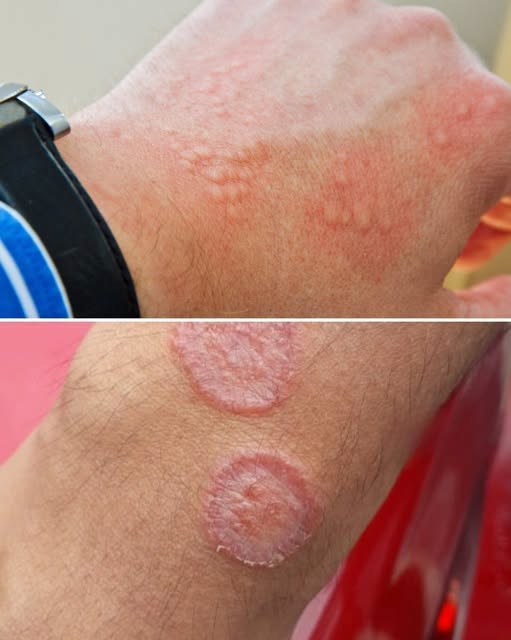
Another frequent source of groin irritation is **tinea cruris**, commonly known as jock itch. This fungal infection thrives in warm, damp areas where sweat tends to accumulate. Although anyone can develop it, it is generally more common in men because of differences in anatomy and perspiration. Jock itch often produces an itchy, red rash with clearly defined borders and scaly skin that may gradually spread to the inner thighs or buttocks if left untreated. Fortunately, antifungal creams combined with keeping the affected area clean and thoroughly dry are usually effective. Delaying treatment, however, can allow the fungus to persist and lead to prolonged discomfort.
Not every rash is caused by an infection. Contact dermatitis occurs when the skin reacts to an irritating substance or an allergen. In the groin area, common triggers include fragrances in soaps or detergents, fabric dyes, lotions, personal hygiene products, or latex. The skin may become red, itchy, swollen, flaky, or even develop small blisters depending on the severity of the reaction. Successfully treating contact dermatitis depends largely on identifying and avoiding whatever is causing the irritation. Without removing the trigger, symptoms often continue to return regardless of how many creams or ointments are applied.
Intertrigo is another condition frequently seen in skin folds where moisture and friction combine. It commonly affects people who are overweight or those who regularly wear clothing that limits airflow. Continuous rubbing between skin surfaces, combined with trapped moisture, creates irritation that may appear bright red, sore, and painful. In some cases, an unpleasant odor develops because yeast or bacteria begin growing in the damaged skin. Barrier creams containing ingredients such as zinc oxide can help protect the skin, while keeping the area dry, clean, and well ventilated plays an essential role in preventing repeated flare-ups.
The encouraging news is that many of these skin problems can be prevented through simple daily habits. Good personal hygiene remains one of the best defenses against irritation and infection. If you shave, use a clean, sharp razor and shave in the direction of hair growth to reduce skin trauma and minimize the risk of ingrown hairs. Choosing breathable cotton underwear instead of tight synthetic fabrics helps reduce heat and moisture. Washing the groin area regularly—especially after exercise or activities that cause sweating—and drying it thoroughly before getting dressed can also lower the risk of many common skin conditions.
It is also wise to avoid sharing personal items such as razors, towels, or clothing, since fungi and bacteria can spread easily through contaminated objects. If a rash fails to improve, continues for more than two weeks, becomes increasingly painful, produces pus, causes significant swelling, or is accompanied by fever or flu-like symptoms, medical evaluation is strongly recommended. These warning signs may indicate a more serious infection that requires professional diagnosis and treatment, often by a dermatologist or another qualified healthcare provider.
There is no reason to let embarrassment prevent you from protecting your health. Groin irritation is something healthcare professionals diagnose and treat every day, and in most cases it can be managed successfully when addressed early. Paying attention to your skin, practicing healthy hygiene habits, and seeking medical advice when symptoms persist can prevent minor irritation from developing into a much more painful problem. Caring for your body begins with awareness, timely action, and the willingness to treat even sensitive health concerns with the attention they deserve.